

Bangladesh to attend BIMSTEC security meeting despite diplomatic row with India
- Update Time : Monday, July 13, 2026
- 95 Time View
Rakib Ahmed
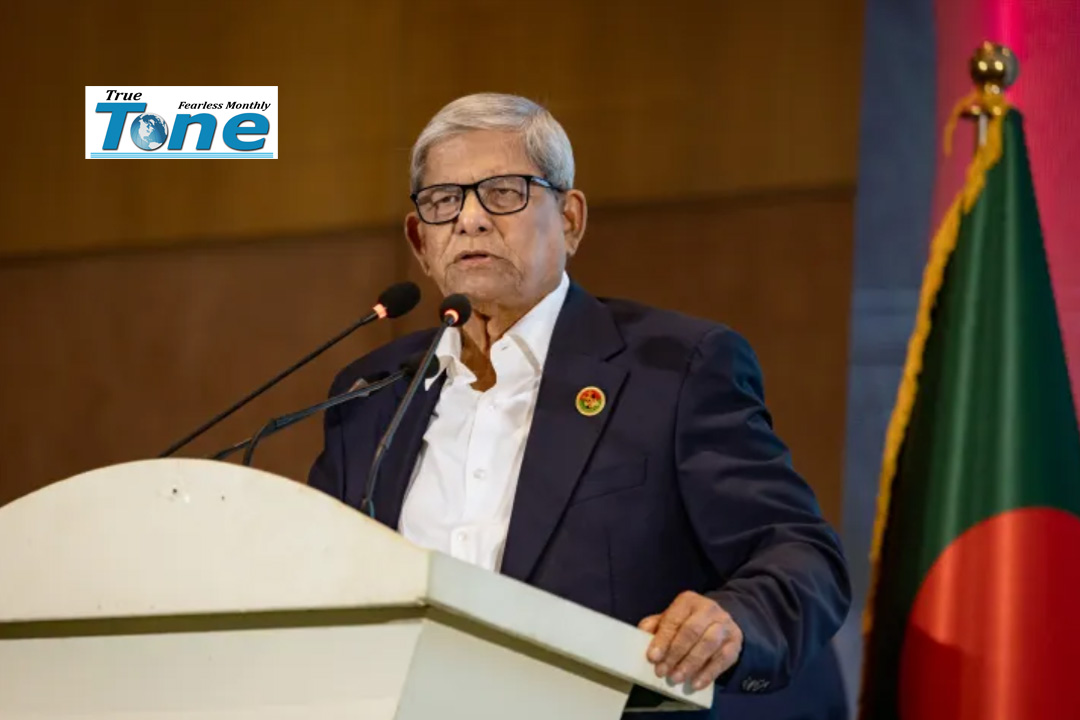
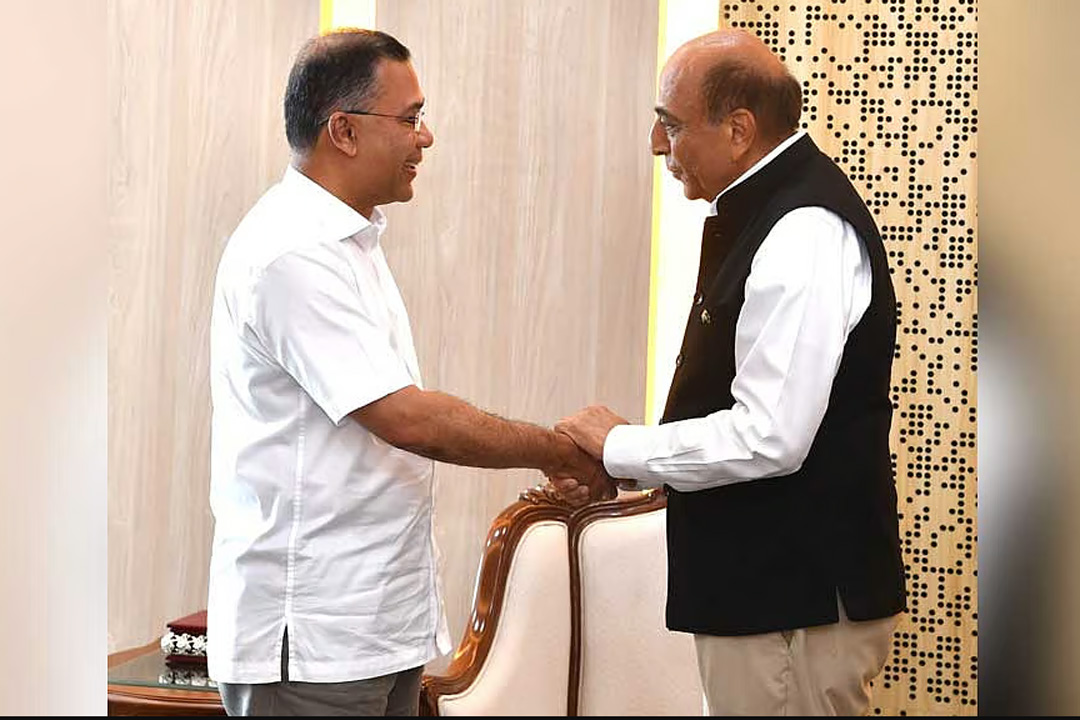
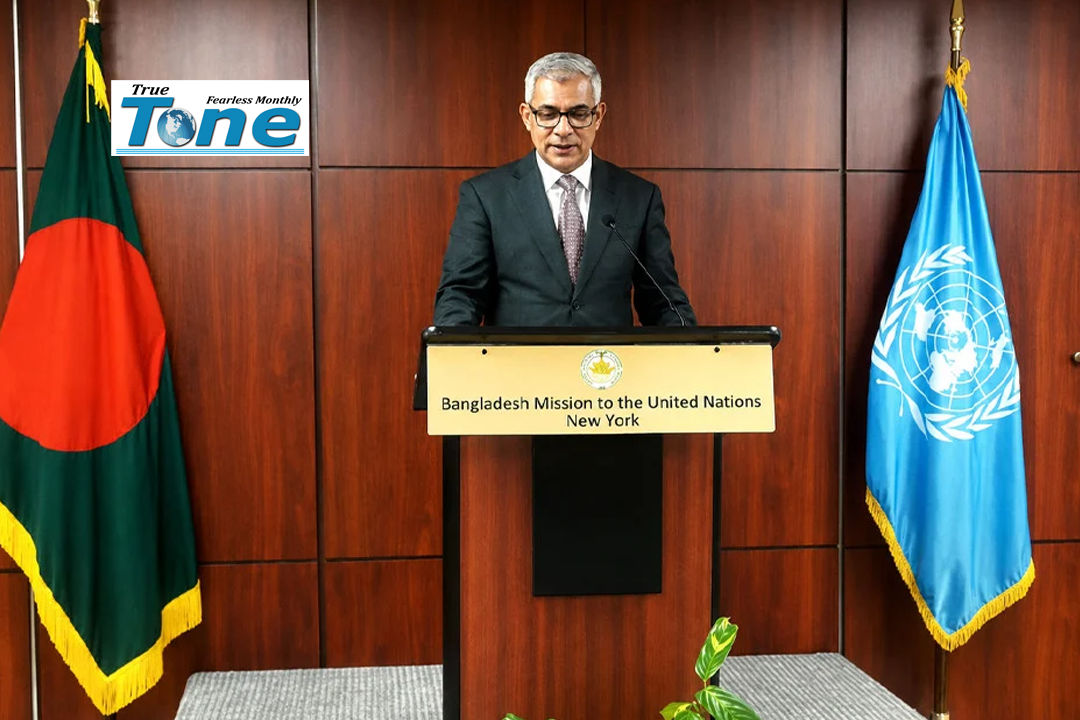
Bangladesh will participate in the upcoming BIMSTEC National Security Advisers’ Meeting in New Delhi on July 16, despite lingering diplomatic tensions with India over the recent treatment of Prime Minister’s Adviser Dr. Zahed Ur Rahman at Delhi airport. The decision underscores Dhaka’s commitment to regional cooperation while signaling that concerns over diplomatic protocol remain unresolved.
According to officials familiar with the matter, Prime Minister’s Defence Adviser Brigadier General (retd.) Dr. A.K.M. Shamsul Islam has been nominated to represent Bangladesh at the high-level security meeting. India has already been informed of his participation through diplomatic channels.
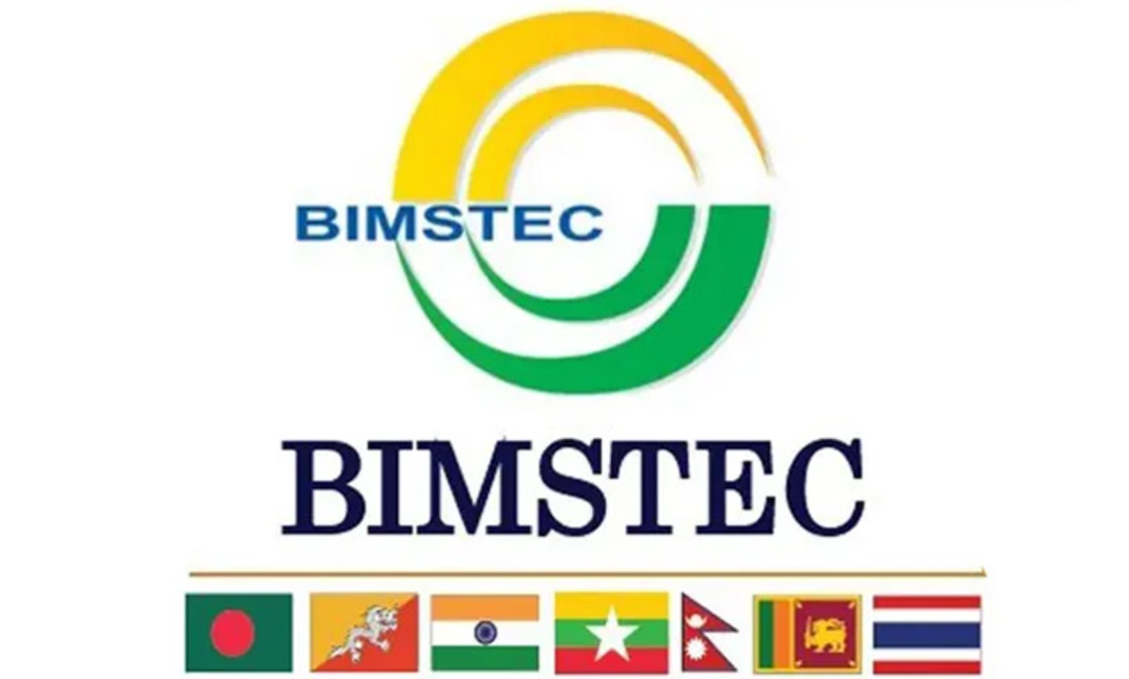
Officials at Bangladesh’s Ministry of Foreign Affairs said the government made a policy decision to attend the meeting because Bangladesh currently holds the chairmanship of the Bay of Bengal Initiative for Multi-Sectoral Technical and Economic Cooperation (BIMSTEC). As chair, Dhaka considers its participation essential to ensuring the continuity of the regional organization’s security dialogue and broader cooperation agenda.
The decision comes only days after Bangladesh expressed dissatisfaction with India’s explanation regarding the airport incident involving Dr. Zahed Ur Rahman. The adviser was reportedly denied entry into India and sent back from New Delhi, prompting Dhaka to seek clarification through diplomatic channels. After reviewing India’s response, Bangladeshi officials concluded that the explanation did not adequately address their concerns and formally conveyed their dissatisfaction.
Despite the diplomatic disagreement, Bangladesh has chosen not to allow the episode to disrupt regional engagement under the BIMSTEC framework. Officials stressed that maintaining constructive cooperation among member states remains an important priority, particularly on issues related to regional security, counterterrorism, transnational crime, and strategic coordination.
At the same time, Bangladeshi authorities made it clear that they will closely monitor India’s handling of Brigadier General Shamsul Islam’s visit. According to foreign ministry officials, New Delhi has been requested to provide the appropriate diplomatic courtesies and protocol to the Bangladeshi delegation throughout the visit.
The government views India’s conduct during the meeting as an important test of its commitment to established international diplomatic norms. Officials indicated that the treatment extended to the Bangladeshi delegation could influence the atmosphere for future high-level exchanges between the two neighboring countries.
Diplomatic observers note that while disagreements occasionally arise between neighboring states, continued participation in multilateral forums often serves as an important mechanism for maintaining dialogue and preventing bilateral disputes from affecting broader regional cooperation. Bangladesh’s decision to attend the meeting reflects an effort to separate its concerns over the airport incident from its responsibilities within BIMSTEC.
The BIMSTEC National Security Advisers’ Meeting is expected to focus on strengthening regional security cooperation, enhancing intelligence sharing, combating terrorism and organized crime, and addressing emerging security challenges affecting the Bay of Bengal region. Bangladesh’s participation as the current BIMSTEC Chair is expected to play a significant role in advancing these discussions.
While the immediate diplomatic dispute remains unresolved, the July 16 meeting will provide an opportunity for both Bangladesh and India to demonstrate their commitment to professional engagement within a multilateral framework. The manner in which the visit proceeds may also shape the trajectory of future bilateral interactions, as both countries seek to balance national interests with the broader goal of regional stability and cooperation.







Md.Shahidur Rahman Tepa
Publisher & Editor
Mrs. Naznin Sultana - Associate Editor
Dr. Sariful Hoque Priom - Assistant Editor
Head Office: Tepa Complex 169/A, SS Nazrul Islam Sarani, Purana Paltan, Dhaka-1000, News and Commercial Office: 48 Bijoy Nagar (3rd Floor) Dhaka-1000,
E-mail: monthlytruetone@gmail.com
Leave a Reply