


Naznin Sultana
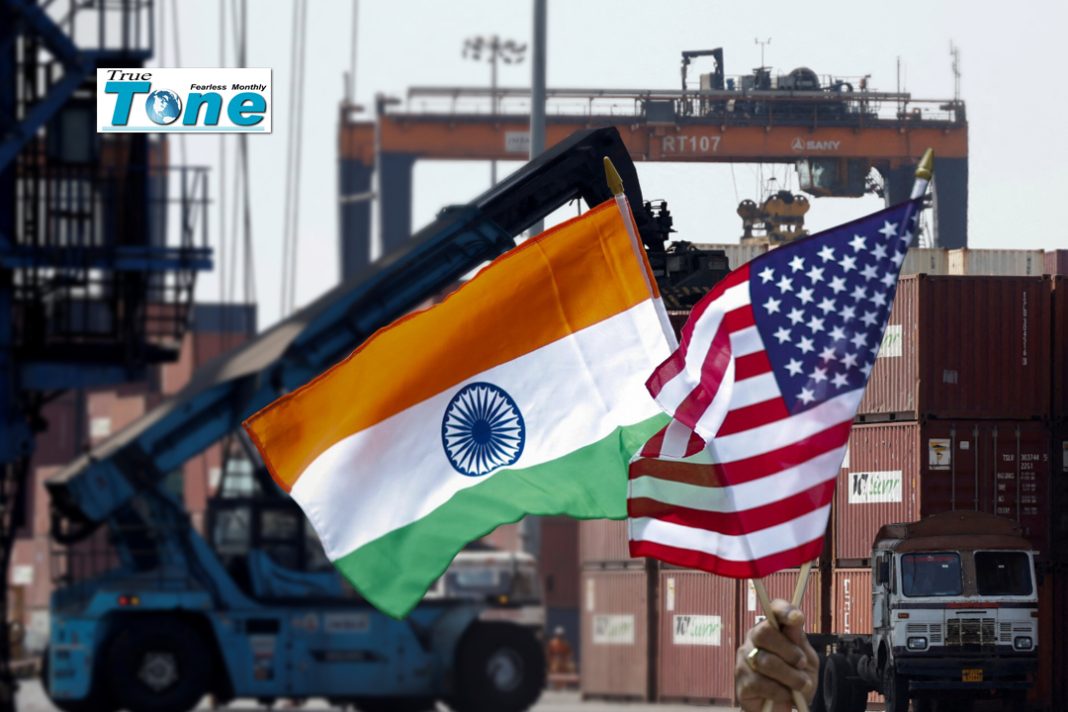
India has firmly denied reports by Reuters suggesting that it might delay signing a bilateral trade deal with the United States, emphasizing that discussions between the two countries continue as part of efforts to reach a mutually beneficial agreement. The clarification by New Delhi comes amid heightened scrutiny over US trade policy and global oil supply issues, underscoring the complexities of international trade in a rapidly changing geopolitical environment.
The Reuters report, citing anonymous sources, claimed that India was considering postponing the signing of a trade agreement with Washington by several months, largely due to a fresh tariff probe launched by the administration of US President Donald Trump. According to the report, these investigations focus on what the US describes as excessive industrial capacity among trading partners, including India. Such claims, however, were swiftly refuted by the Indian Commerce Ministry on March 13.
A spokesperson for the ministry stated: “We have noted a media report regarding ongoing trade talks with the US. It is denied that there is any hold-off in bilateral engagement. It is reiterated that the two sides remain engaged for a mutually beneficial trade agreement.” This response highlights India’s commitment to continuing dialogue and cooperation with the US, despite media speculation about potential delays or disagreements.
The controversy over trade timing arises against the backdrop of an interim trade deal announced between India and the US in February 2026. The agreement followed months of intensive negotiations, which intensified after Washington imposed a steep 50% tariff on Indian imports in August 2025. The tariff, which represented the highest imposed by the US on any Asian country, targeted various sectors, including India’s imports of Russian oil.
Under the interim deal, the US agreed to reduce the tariff burden on India from 50 percent to 18 percent. While this reduction marked a significant easing of trade tensions, it also came with certain stipulations. Notably, Washington claimed that India would cease importing oil from Russia as part of the deal-a statement that New Delhi has neither confirmed nor accepted. India maintains that its energy purchases are guided by national interest, affordability, and competitiveness, rather than foreign mandates.
“In the national interest, India purchases oil from wherever the most competitive and affordable prices are available,” the Indian government said in a statement last week. This approach reflects India’s longstanding strategy of diversifying its energy sources to ensure supply security and manage costs, especially given the volatility of global oil markets following recent geopolitical conflicts.
The US-India trade talks experienced a temporary slowdown last month after the US Supreme Court struck down Trump-era tariffs on imports from several countries. Despite this legal setback, both sides appear committed to advancing bilateral trade relations. Earlier this month, the US granted India a 30-day waiver allowing continued purchases of Russian oil. This waiver was framed as a measure to maintain stability in the global oil market, particularly following the US-Israeli attack on Iran, which disrupted regional energy flows.
India’s refusal to seek US permission for its oil purchases underscores a broader principle in its foreign and economic policy: safeguarding sovereignty in critical national interests while engaging constructively in international trade. By balancing domestic priorities with international negotiations, India seeks to maintain both economic growth and strategic autonomy.
The discussions with the US occur in a broader context of India actively pursuing trade agreements with multiple global partners. Earlier this year, India concluded a trade pact with the European Union, further solidifying its position in the global market. In 2025, India also signed agreements with the United Kingdom, Oman, and New Zealand, reflecting a multipronged strategy aimed at expanding trade networks and reducing dependence on any single partner.
These international engagements are part of India’s broader economic agenda, which focuses on boosting exports, attracting foreign investment, and ensuring access to critical resources such as energy. By diversifying its trade portfolio, India seeks to mitigate risks arising from sudden policy changes in any one market, including the US, while reinforcing long-term economic resilience.
Analysts note that the ongoing dialogue between India and the US represents a pragmatic approach to resolving trade tensions. While media reports have highlighted potential delays or disagreements, the official stance from New Delhi emphasizes that negotiations are progressing constructively. This approach aligns with India’s historical trade philosophy, which balances assertiveness with diplomacy, ensuring that agreements serve the nation’s economic interests without compromising strategic autonomy.
Moreover, the interim trade deal and ongoing discussions signal a willingness on both sides to address contentious issues, including tariffs, market access, and energy trade, in a structured and mutually beneficial manner. This collaborative approach is particularly significant given the broader geopolitical tensions in the Indo-Pacific region, which add layers of complexity to trade negotiations.
Energy imports, particularly from Russia, remain a sensitive and strategically important aspect of India-US trade relations. While the US emphasizes sanctions and restrictions, India has made it clear that its energy policy prioritizes affordability, reliability, and long-term energy security. This stance reflects India’s broader commitment to pragmatic economic policy, ensuring that trade agreements are consistent with domestic economic goals.
The recent media speculation about a potential delay in signing the trade agreement, therefore, does not reflect the official reality. Both India and the US continue to engage in discussions aimed at finalizing a deal that supports economic growth, ensures fair trade practices, and strengthens bilateral cooperation. By addressing contentious points through negotiation rather than unilateral pressure, both countries demonstrate a commitment to sustainable trade relations.
In conclusion, India’s denial of Reuters’ claims reaffirms its commitment to ongoing trade talks with the US, highlighting a careful balance between diplomacy and national interest. As negotiations proceed, the emphasis remains on achieving a mutually beneficial agreement that supports economic stability, market access, and energy security. The broader context of India’s global trade engagements further illustrates the country’s strategic approach to international commerce, ensuring that its economic partnerships are diversified, resilient, and aligned with national priorities.
With ongoing discussions and clear official communication, India signals that it is moving steadily toward finalizing trade agreements, not just with the US but across multiple international partners, reinforcing its role as a key player in global trade and economic policy.