

Giorgia Meloni set to visit Bangladesh as Rome and Dhaka deepen strategic ties
- Update Time : Monday, May 19, 2025
- 86 Time View
News Desk
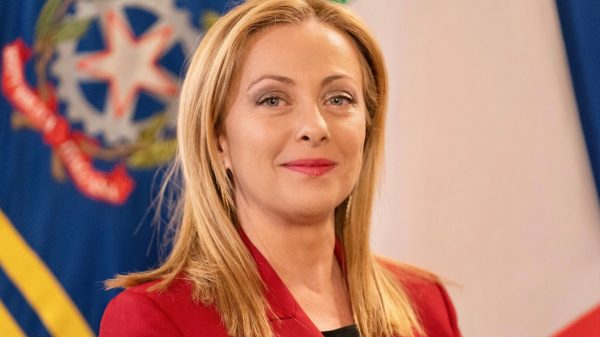
Italian Prime Minister Giorgia Meloni is expected to pay an official visit to Bangladesh in the last week of August, signaling a renewed era of cooperation between the two nations. The upcoming visit, currently being finalized through high-level consultations, is being regarded as a milestone in strengthening bilateral relations-especially in the key areas of migration, labour mobility, and economic development.
According to officials from Bangladesh’s Ministry of Foreign Affairs, the groundwork for Prime Minister Meloni’s visit has been under discussion for several months. Both countries appear committed to building a long-term strategic partnership that addresses mutual interests and global challenges.
The prospective visit was first hinted at earlier this month by Italian Interior Minister Matteo Piantedosi during his official trip to Dhaka. In meetings with Bangladeshi leaders, including Chief Adviser Professor Muhammad Yunus, Piantedosi emphasized Italy’s intention to “renew” and “relaunch” its partnership with Bangladesh. He also signaled Italy’s desire to recruit a higher number of skilled Bangladeshi workers through a safe, structured, and legally regulated migration framework.
“Prime Minister Meloni is likely to visit before September as part of our broader initiative to enhance bilateral cooperation,” Piantedosi reportedly told the Chief Adviser. He highlighted Italy’s growing demand for foreign labour, especially in sectors such as construction, agriculture, and caregiving, where Bangladeshi workers have historically made significant contributions.
Bangladesh, which currently has a diaspora of over 150,000 workers in Italy, is keen to expand its labour mobility channels to Europe. According to officials, the Meloni government is exploring the expansion of legal pathways for Bangladeshi migrants, with an emphasis on training, safety, and long-term integration.
Chief Adviser Professor Yunus, during his discussions with the Italian interior minister, expressed Dhaka’s readiness to collaborate closely with Rome in combating irregular migration and curbing human trafficking. Bangladesh, which has been working with several European countries on migration management, is seeking comprehensive and sustainable solutions to ensure the safety and rights of its migrant workers.
“We welcome Italy’s willingness to work on safe migration and appreciate their support in opening structured pathways,” Yunus said, according to diplomatic sources. “This collaboration could set an example for other EU nations.”
The proposed partnership also includes technological and vocational training to prepare Bangladeshi workers for the European job market, while also addressing concerns related to exploitation and trafficking rings that operate through illegal routes.
The relationship between Dhaka and Rome has historically been cordial, with Italy being one of the first European nations to recognize Bangladesh’s independence in 1971. Over the years, bilateral trade and cultural exchanges have grown steadily, and Italy now ranks as one of Bangladesh’s major export destinations within the European Union.
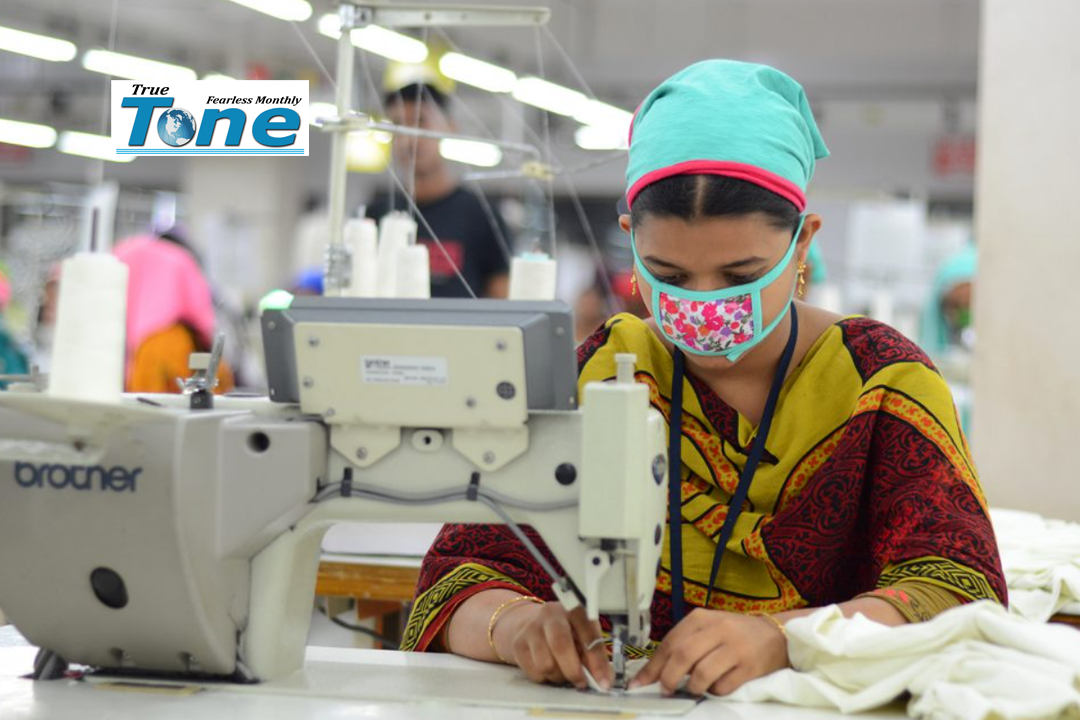
Apparel exports, the backbone of Bangladesh’s economy, make up a significant portion of this trade. With Italy being a fashion and manufacturing hub, there has been increasing interest in establishing joint ventures in textiles, leather goods, and design-based industries.
Italy has also supported various development projects in Bangladesh, especially in the sectors of education, rural development, and renewable energy. The upcoming visit by Prime Minister Meloni is likely to inject new momentum into such collaborations.
The two countries have also engaged constructively at multilateral forums. On the sidelines of the 78th United Nations General Assembly (UNGA) high-level week in New York last year, Prime Minister Meloni held a bilateral meeting with Professor Yunus, where they discussed regional stability, climate adaptation, and post-COVID recovery efforts.
During that meeting, Meloni reaffirmed Italy’s support for Bangladesh’s reform agenda, especially in promoting inclusive growth, social protection, and human capital development. She expressed admiration for Bangladesh’s handling of economic challenges and its commitment to sustainable development goals.
While details of Prime Minister Meloni’s itinerary remain under wraps, diplomatic sources suggest that the visit will include a series of meetings with top Bangladeshi officials, business leaders, and civil society stakeholders. A number of agreements and memoranda of understanding (MoUs) are expected to be signed during the visit, particularly focusing on workforce development, trade facilitation, and combating illegal migration.
The visit is also anticipated to include cultural and symbolic engagements that underscore the long-standing friendship between the two nations.
Prime Minister Meloni’s prospective visit comes at a time when both Bangladesh and Italy are navigating complex global transitions-from economic realignments to climate vulnerability and rising migration pressures. In this context, a stronger bilateral relationship promises not only to deliver tangible economic benefits but also to shape a more collaborative response to global challenges.
For Bangladesh, the visit marks an important diplomatic win, reinforcing its growing significance on the global stage. For Italy, it is a timely step in building bridges with a key South Asian partner whose demographic and economic potential continues to attract international attention.
Source: BSS






Md.Shahidur Rahman Tepa
Publisher & Editor
Mrs. Naznin Sultana - Associate Editor
Dr. Sariful Hoque Priom - Assistant Editor
Head Office: Tepa Complex 169/A, SS Nazrul Islam Sarani, Purana Paltan, Dhaka-1000, News and Commercial Office: 48 Bijoy Nagar (3rd Floor) Dhaka-1000,
E-mail: monthlytruetone@gmail.com
Leave a Reply