


Tajul Islam
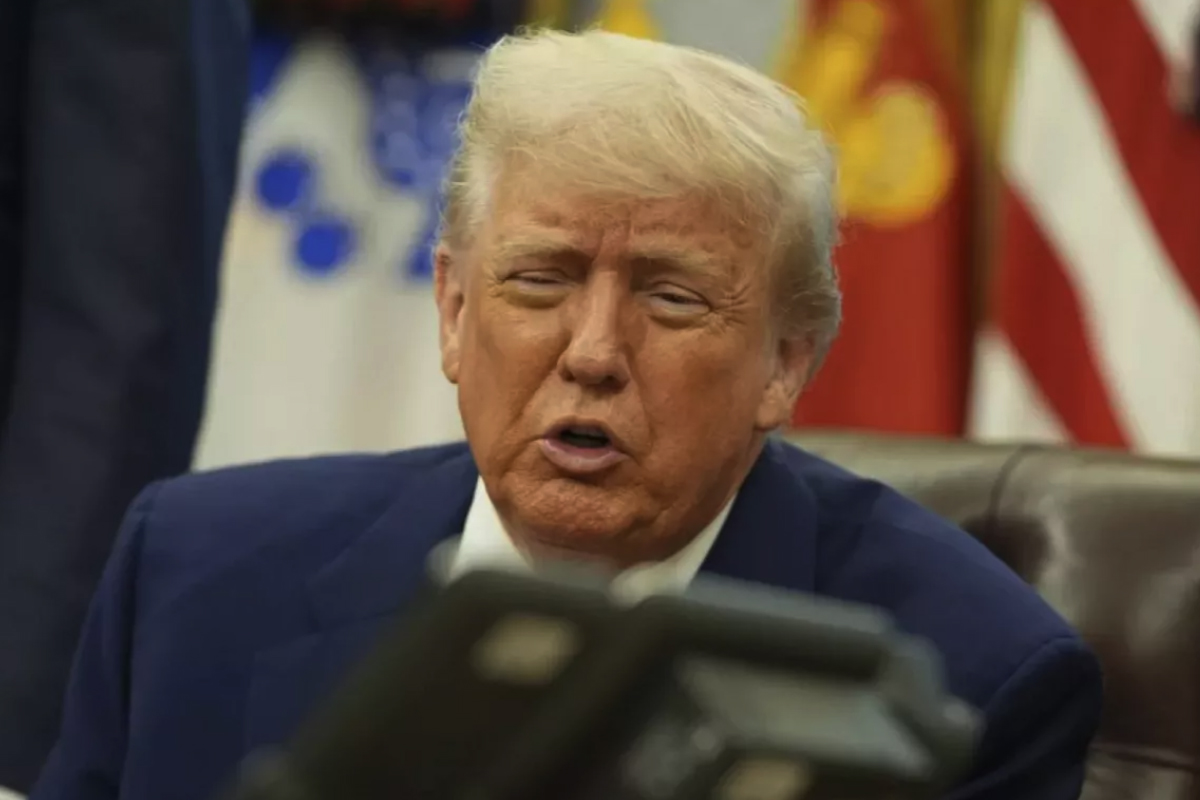
US President Donald Trump announced on May 17 that he will speak with Russian President Vladimir Putin by phone in an attempt to end the ongoing “bloodbath” in Ukraine, marking a rare moment of high-level US-Russia engagement amid intensifying calls for a ceasefire.
The planned call comes in the immediate aftermath of the first direct talks between Russian and Ukrainian delegations in more than three years, held in Istanbul on May 16. The negotiations yielded a significant prisoner exchange deal, with both sides agreeing to swap 1,000 prisoners each-though both Moscow and Kyiv acknowledge that any lasting peace agreement remains elusive.
Trump, who is actively pushing for a 30-day unconditional ceasefire, stated on Truth Social that he would speak with Putin on Monday and then follow up with Ukrainian President Volodymyr Zelensky and NATO officials. “I hope a ceasefire will take place, and this very violent war… will end,” Trump wrote.
Kremlin spokesperson Dmitry Peskov confirmed to state-run TASS news agency that the call between Trump and Putin is “being prepared.” Meanwhile, the Kremlin reaffirmed that a potential meeting between Putin and Zelensky could only take place after a formal agreement is reached through diplomatic channels.
Held in Istanbul on May 16, the high-stakes meeting marked the first face-to-face negotiations between Russia and Ukraine since spring 2022, shortly after Moscow launched its full-scale invasion. The prisoner swap agreement was hailed as a breakthrough, with Ukraine’s Defense Minister and lead negotiator Rustem Umerov describing the exchange as a “first step” and urging for a leaders’ summit.
Russia, however, has been cautious. Vladimir Medinsky, the Kremlin’s chief negotiator, said that Moscow and Kyiv would eventually present their proposals for a ceasefire but did not offer a timeline. Peskov reiterated that any Putin-Zelensky summit would be contingent on reaching specific “results” and completing the prisoner swap.
Ukrainian intelligence chief Kirillo Budanov indicated the swap could take place within a week, suggesting that operational logistics are already underway.
Even as diplomacy flickers to life, the war on the ground shows no signs of abating. On May 18, a Russian drone strike targeted a minibus evacuating civilians in Ukraine’s northeastern Sumy region, killing nine people-including a family of three-and wounding five. The attack occurred near the city of Bilopillya, according to local authorities.
Zelensky condemned the strike and called it evidence of Moscow’s continued disregard for peace. “Without stronger sanctions, without stronger pressure on Russia, there will be no real diplomacy,” he said, renewing his appeal for increased Western action.
Elsewhere in Ukraine, Russia claimed to have captured the village of Oleksandropil in the eastern Donetsk region-an area that has seen some of the most intense combat. Additional missile and drone strikes across eastern Ukraine, including in Kherson, left at least six dead and over a dozen wounded, including aid workers hit while delivering humanitarian supplies.
The renewed dialogue between Ukraine and Russia is being closely watched by Western allies. French President Emmanuel Macron said that European nations were coordinating with the US to impose further sanctions if Moscow continues to reject an unconditional ceasefire.
Canadian Prime Minister Mark Carney and President Zelensky also held talks on May 17, focusing on what Zelensky called “fresh and effective” sanctions to curtail Russian aggression.
US Secretary of State Marco Rubio, speaking with Russian Foreign Minister Sergei Lavrov by phone, welcomed the Istanbul prisoner exchange and said Lavrov had mentioned Moscow was drafting terms for a potential ceasefire. Speaking to CBS, Rubio added, “If Russia and Ukraine can both provide serious and viable proposals, then there’s been real progress.”
Trump’s direct involvement underscores his belief that personal diplomacy is the missing ingredient in peace talks. “Nothing’s going to happen until I meet Putin face-to-face,” he has previously stated, and his decision to engage directly with Putin and later Zelensky may signal an effort to shape negotiations ahead of a potential return to the White House.
His critics, however, remain wary of the implications. Some NATO officials are said to be skeptical of Trump’s unilateral diplomacy, noting the importance of multilateral coordination in achieving sustainable peace.
Zelensky voiced skepticism over Moscow’s intentions after the Istanbul meeting, saying Putin’s absence from the summit was telling. “Everyone saw a weak and unprepared Russian delegation with no significant powers. This must change. We need real steps to end the war,” he said.
Zelensky has consistently rejected Russian territorial demands, calling them “unacceptable.” Moscow continues to claim annexation of five Ukrainian regions: Crimea, annexed in 2014, and four others since the 2022 invasion.
As the prisoner swap inches toward completion and diplomatic posturing intensifies, the world watches to see whether Trump’s call with Putin on May 19, can produce tangible progress or will simply add another chapter to the war’s long history of false starts and broken promises.
For now, the battlefield speaks louder than diplomacy-and both Zelensky and Putin appear unwilling to concede key ground without significant external pressure. Whether Trump’s intervention changes that calculus remains to be seen.