



Abdel Hakam
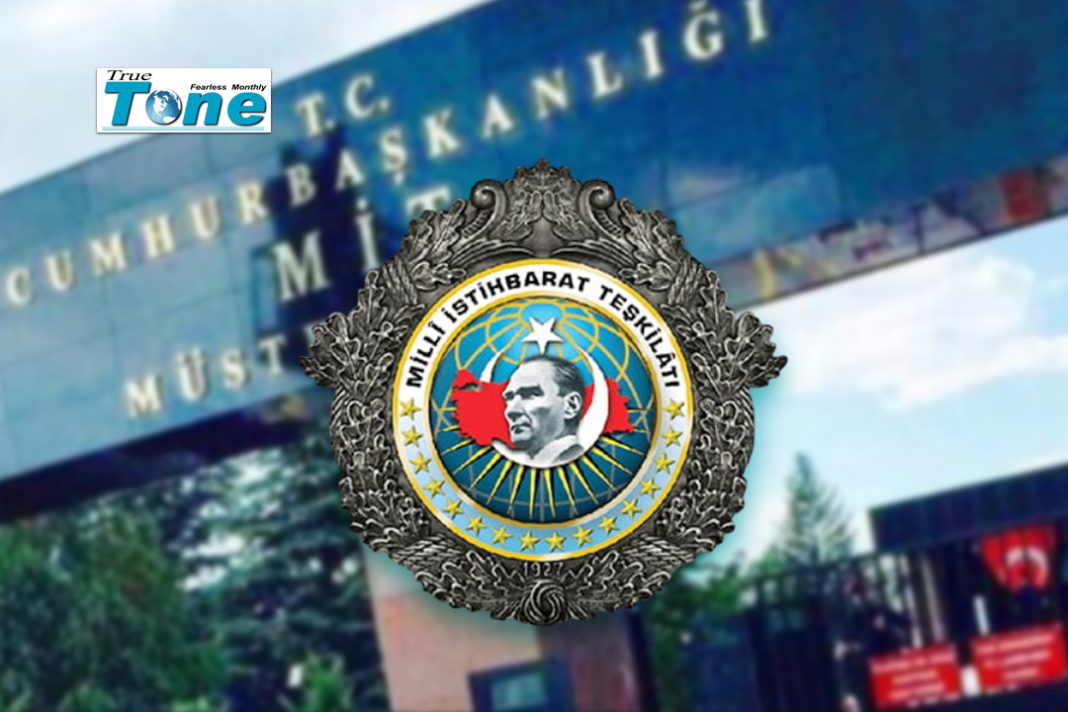
Serious allegations have emerged suggesting the presence of a covert foreign intelligence operation targeting Bangladesh’s former prime minister Sheikh Hasina. According to information obtained from multiple sources, a Bangladeshi national currently residing in India is suspected of working under the direction of National Intelligence Organization, Turkey’s powerful intelligence service commonly known as MİT. The allegations, if substantiated, could have significant implications for regional security, diplomatic relations, and the safety of political figures living abroad.
The individual at the center of the controversy is Md. Zubayeed Jim, a Bangladeshi passport holder who allegedly entered India on a valid visa that expired on January 6, 2025, and has reportedly remained in the country since then without legal status. Sources claim that Jim portrays himself as a “protocol officer” to Sheikh Hasina and even falsely identifies himself as a Major in the Bangladesh Army and a director within Bangladesh’s National Security Intelligence. However, according to available information, he was expelled from the Bangladesh Navy during his cadet years and holds no such official credentials.
Investigative sources further claim that contact between Jim and Turkish intelligence was established through his wife, who traveled to Turkey multiple times last year, including a trip in September. During these visits, she was allegedly approached by operatives linked to MİT and tasked with facilitating the flow of sensitive information. Since then, Jim is said to have been engaged in gathering and transmitting confidential details related to Sheikh Hasina—ranging from her private communications and contacts to information regarding her current location in India.
These allegations suggest a broader intelligence objective beyond simple surveillance. According to sources familiar with the matter, one of the alleged missions assigned to Jim involves creating circumstances that could endanger Sheikh Hasina’s safety while simultaneously shifting blame onto India for any potential failure in protecting her. If accurate, such a strategy would represent a highly provocative attempt to manipulate regional political narratives and undermine trust between neighboring countries.
Additional allegations point to a possible nexus involving Bangladeshi Nobel laureate Muhammad Yunus. Sources claim Jim may have been used as an intermediary in negotiations surrounding a multimillion-dollar telecommunications arrangement with a Chinese technology company. At the same time, the two men are said to have been involved in coordinated campaigns aimed at damaging Sheikh Hasina’s public image and creating divisions within the ranks of Bangladesh’s ruling political movement.
Beyond intelligence gathering and political intrigue, Jim is also accused of engaging in intimidation tactics against members of the Bangladeshi diaspora. Activists affiliated with the Bangladesh Awami League in countries such as Norway, South Korea, and several European states have reportedly been targeted with disinformation campaigns and attempts to sow distrust among party members. Leaders and activists currently living in India allegedly face even greater pressure, with claims that Jim has attempted to extort money through threats and blackmail. In some cases, sources say he has even confiscated passports and personal documents.
Disinformation appears to be another component of the alleged operation. Several months ago, Jim reportedly circulated an image of an African woman while falsely claiming she was the daughter of Saima Wazed. The claim was widely viewed by those familiar with the situation as a deliberate attempt to damage the reputation of Sheikh Hasina’s family. Ironically, sources say Jim has simultaneously attempted to gain the trust of Saima Wazed by presenting himself as someone working closely with her.
In a further development that has raised cybersecurity concerns, Jim is said to be attempting to launch a platform branded as a think tank called “Wise-Gov”. However, cybersecurity specialists warn that the website may function as a phishing mechanism designed to collect sensitive personal data from visitors under the guise of policy research.
If these allegations prove accurate, the case would highlight how intelligence operations increasingly blend espionage, digital manipulation, and diaspora pressure campaigns. For South Asia—already navigating a complex geopolitical landscape—the emergence of such covert activities could deepen mistrust and complicate relations among regional actors. Authorities in the relevant countries may therefore find it necessary to investigate these claims carefully, both to protect individuals at risk and to safeguard the integrity of regional security frameworks.