

Bangladesh aims to achieve semiconductor industry goals by 2030, says PM Tarique Rahman
- Update Time : Saturday, July 25, 2026
- 69 Time View
Dr. Shariful Haque Priom
Prime Minister Tarique Rahman has announced an ambitious target for Bangladesh to achieve its semiconductor industry goals by 2030, underscoring the government’s commitment to transforming the country into a globally competitive technology and innovation hub.
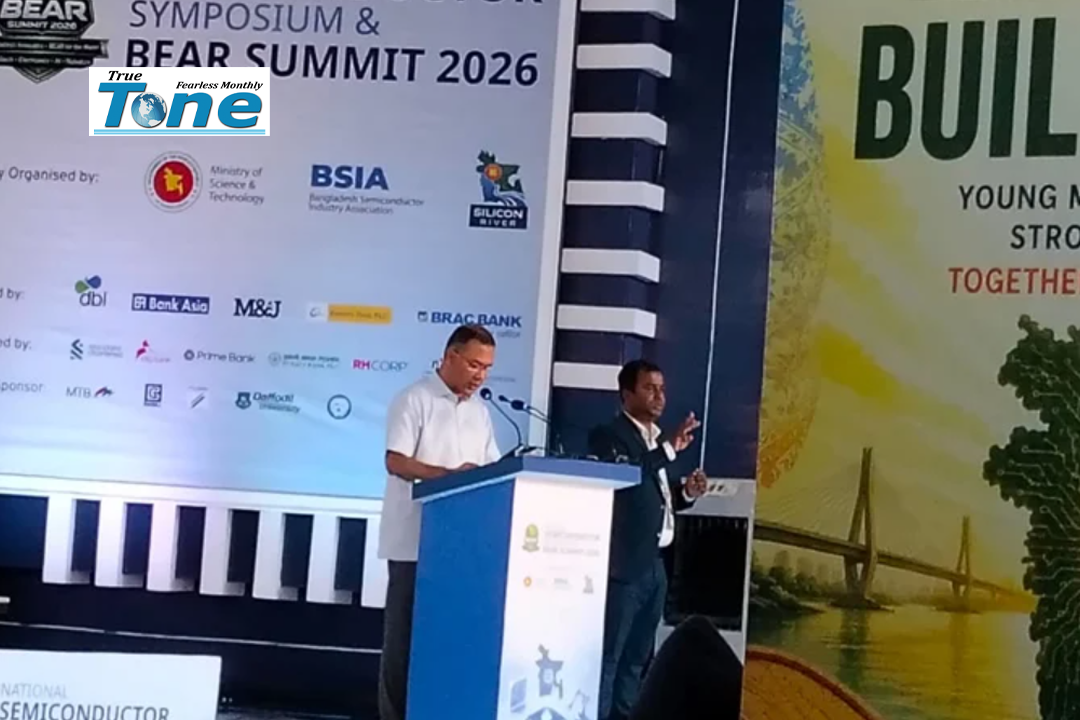
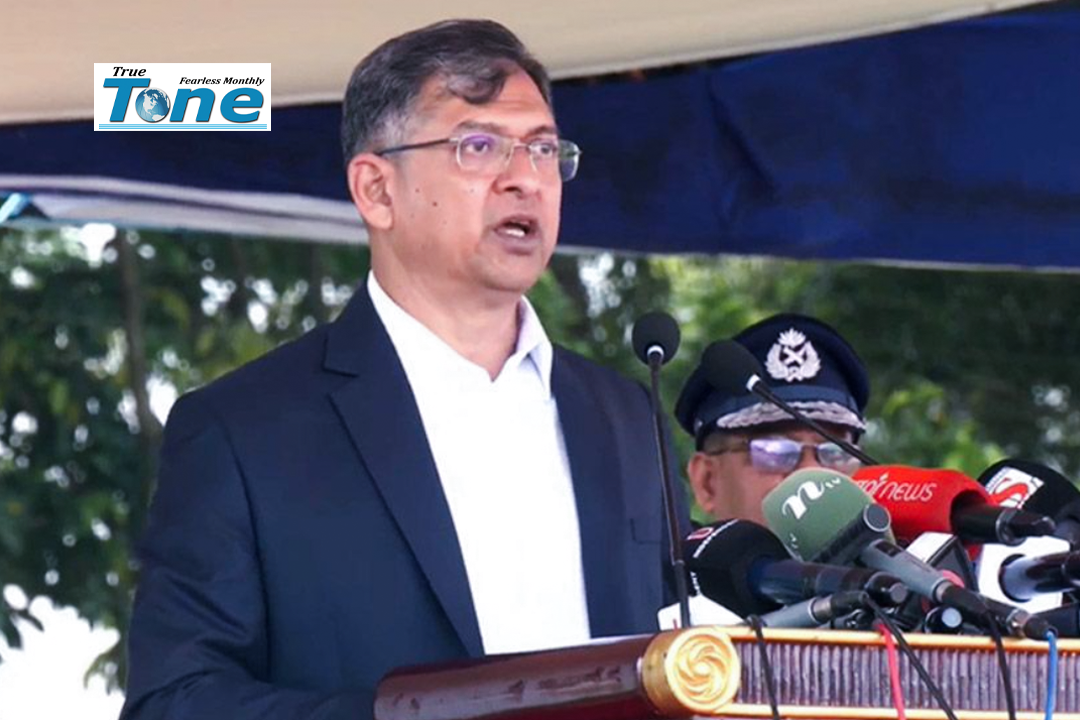
Speaking as the chief guest at the inauguration of the two-day National Semiconductor Symposium and BEAR Summit 2026 at the Bangabandhu Sheikh Mujibur Rahman Novo Theatre in Tejgaon on July 25, Saturday, the prime minister described the semiconductor sector as a strategic national priority essential to building a technology-driven, knowledge-based and self-reliant economy.
Addressing policymakers, industry leaders, researchers, investors and technology professionals, Tarique Rahman said Bangladesh has already made notable progress across several segments of the semiconductor industry, including chip design, verification, embedded systems, power electronics and advanced packaging. He noted that a number of local companies have successfully entered international markets, reflecting the country’s growing technical expertise and competitiveness in high-value technology sectors.
“The development of the semiconductor industry is not the responsibility of a single ministry or institution; it is a national mission,” the prime minister said, emphasizing that close collaboration among the government, private sector, universities and research organizations will be essential for establishing a sustainable and globally competitive semiconductor ecosystem.
Highlighting the government’s policy initiatives, Rahman said Bangladesh is introducing a range of investor-friendly measures to accelerate growth in the sector. These include tax incentives, bonded warehouse facilities, investment-supportive regulations and the development of specialized industrial infrastructure aimed at attracting both domestic and foreign investment.
He expressed confidence that these initiatives, combined with the country’s expanding pool of skilled engineers and technology professionals, would enable Bangladesh to strengthen its position within the global semiconductor value chain by the end of the decade.
The National Semiconductor Symposium and BEAR Summit 2026 has been jointly organized by the Bangladesh Semiconductor Industry Association (BSIA) and Silicon River Bangladesh. The event has attracted a broad spectrum of participants, including government officials, global technology companies, entrepreneurs, venture capitalists, researchers and members of the Bangladeshi technology diaspora.
The two-day summit features 11 plenary sessions, seven strategic panel discussions and a technology exhibition highlighting recent advancements in semiconductor technologies and related industries. Participants are discussing emerging trends, investment opportunities, workforce development and strategies for expanding Bangladesh’s role in the global electronics and semiconductor ecosystem.
Among the keynote speakers are Texas Instruments Chief Technology Officer Dr. Ahmed Bahai and Purdue University Professor Dimitrios Peroulis, both recognized internationally for their contributions to semiconductor research and innovation.
Representatives from several leading global technology companies-including GlobalFoundries, NXP, Applied Materials, SanDisk, Credo and the Vietnam Semiconductor Alliance-are also participating, providing opportunities for collaboration, technology exchange and potential investment partnerships.
Running alongside the main summit is the BEAR Innovation Expo 2026, where students, researchers and startup entrepreneurs are showcasing cutting-edge innovations across 35 exhibition booths. The exhibition features projects in semiconductors, artificial intelligence (AI), robotics, health technology and other deep-tech fields, highlighting the growing capabilities of Bangladesh’s innovation ecosystem.
Government officials believe the symposium and innovation expo represent a significant milestone in the country’s technological development. By fostering stronger partnerships between academia, industry and policymakers while encouraging innovation and investment, Bangladesh aims to establish itself as an emerging destination for semiconductor research, design and manufacturing services.
With sustained policy support, expanding technical expertise and increasing international collaboration, the government hopes the semiconductor sector will become a key driver of economic growth, high-skilled employment and technological advancement, helping position Bangladesh as a competitive player in the rapidly evolving global semiconductor industry by 2030.












Md.Shahidur Rahman Tepa
Publisher & Editor
Mrs. Naznin Sultana - Associate Editor
Dr. Sariful Hoque Priom - Assistant Editor
Head Office: Tepa Complex 169/A, SS Nazrul Islam Sarani, Purana Paltan, Dhaka-1000, News and Commercial Office: 48 Bijoy Nagar (3rd Floor) Dhaka-1000,
E-mail: monthlytruetone@gmail.com
Leave a Reply