

BNP seeks stronger strategic partnership with China, eyes expanded trade and technology cooperation
- Update Time : Saturday, July 18, 2026
- 108 Time View
Dr. Shariful Haque Priom
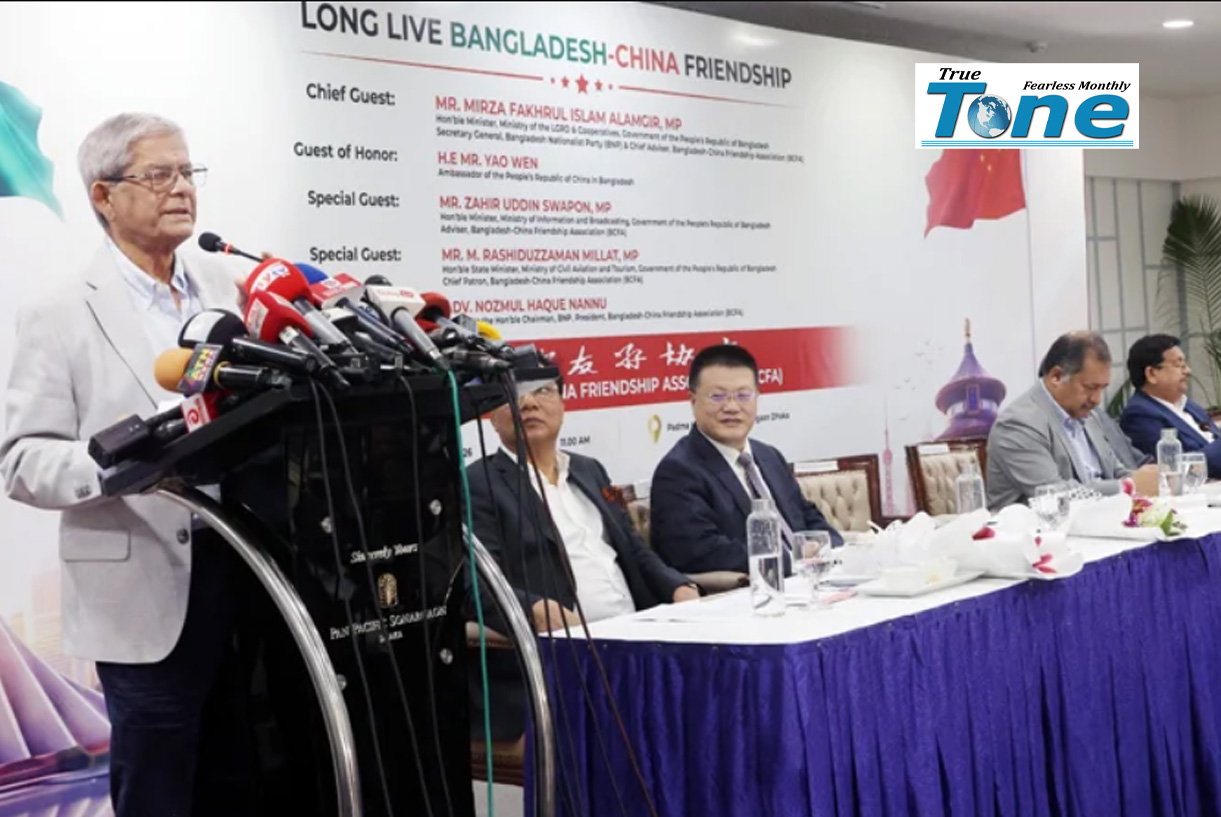
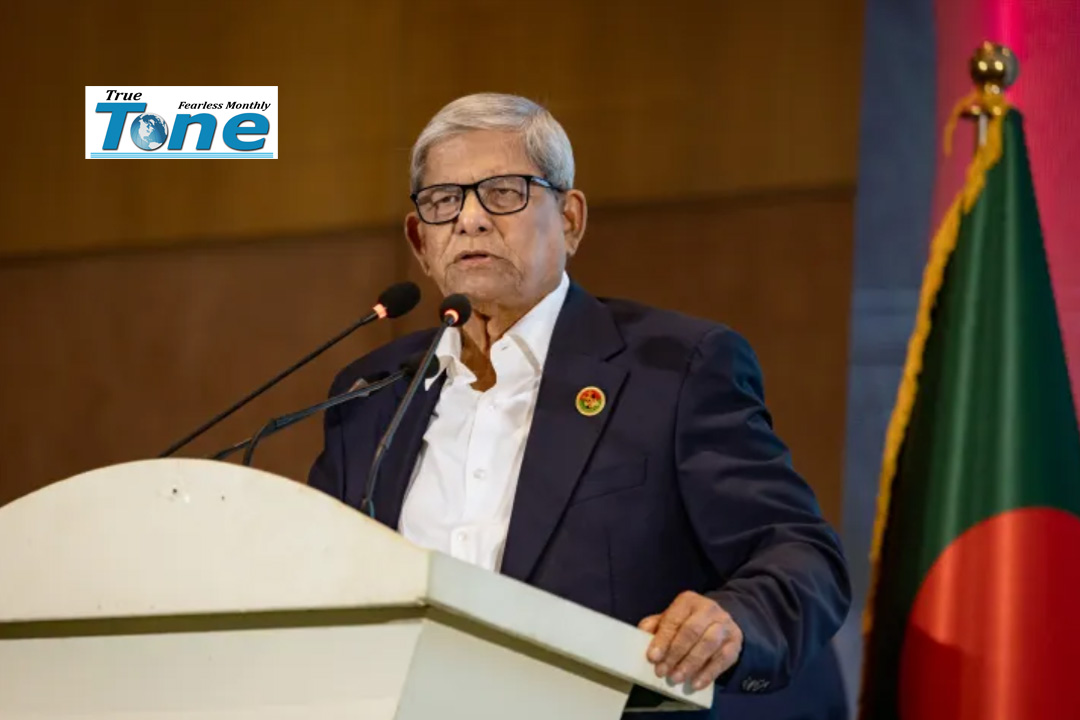
Bangladesh Nationalist Party (BNP) Secretary General and Local Government, Rural Development and Cooperatives Minister Mirza Fakhrul Islam Alamgir has reaffirmed the government’s commitment to strengthening Bangladesh’s geopolitical, economic, and commercial ties with China, describing the relationship as a key pillar of the country’s foreign policy and development strategy.
Speaking at a discussion titled “Long Live Bangladesh-China Friendship”, organized by the Bangladesh-China Friendship Association at a hotel in Dhaka following Prime Minister Tarique Rahman’s recent visit to China, Fakhrul said the high-level visit had injected new momentum into bilateral relations and opened fresh opportunities for cooperation across multiple sectors.
The event was attended by Information and Broadcasting Minister Zahir Uddin Swapon, State Minister for Civil Aviation and Tourism M. Rashiduzzaman Millat, and Chinese Ambassador to Bangladesh Yao Wen, who joined as the guest of honour. Bangladesh-China Friendship Association President and BNP Chairperson’s Adviser Advocate Nazmul Haque Nannu presided over the discussion.
Addressing the audience, Mirza Fakhrul emphasized that Bangladesh intends to maintain a balanced foreign policy while expanding its partnership with China. He said the BNP seeks to deepen relations with Beijing based on shared geopolitical and economic interests without compromising Bangladesh’s ties with other major global partners.
According to Fakhrul, the BNP also values constructive relations with neighboring India and the United States, reflecting the country’s commitment to pursuing diplomacy that serves its national interests.
He noted that the BNP has maintained a long-standing relationship with the Communist Party of China, adding that communication between the two parties continued even during periods of political challenges in Bangladesh. He described these longstanding contacts as a foundation for stronger future cooperation.
A significant portion of Fakhrul’s remarks centered on the importance of technological collaboration. He said Bangladesh is eager to benefit from China’s expertise in advanced technology, infrastructure development, renewable energy, and vocational education.
Highlighting the growing engagement between young people of the two countries, he said increasing numbers of Bangladeshi youths are visiting China for education, training, and professional exchanges. Such interactions, he argued, are helping strengthen people-to-people ties while creating new opportunities for skills development.
Fakhrul stressed that Bangladesh would particularly benefit from Chinese support in technical and vocational education, enabling the country’s young workforce to acquire modern industrial skills needed in an increasingly competitive global economy.
He also pointed to China’s experience in road construction, solar power, and green energy technologies, suggesting that deeper cooperation in these areas could contribute significantly to Bangladesh’s long-term economic development and sustainable growth.
Beyond technology, Fakhrul underscored the importance of expanding bilateral trade. He expressed optimism that commercial relations between the two countries would continue to grow through increased imports and exports.
He stated that Bangladesh intends to import a wider range of products and technologies from China while simultaneously increasing Bangladeshi exports to the Chinese market. Such balanced trade, he said, would strengthen economic cooperation and create new opportunities for businesses in both countries.
Fakhrul also remarked that Bangladesh views China’s global leadership as an important force in promoting a more balanced international order, reflecting the BNP’s broader vision for diversified international partnerships.
Chinese Ambassador Yao Wen highlighted Beijing’s commitment to expanding cooperation with Bangladesh in infrastructure and connectivity. He revealed that China is interested in introducing its high-speed rail technology to Bangladesh in the future.
According to the ambassador, such a project could eventually connect the country’s major cities-including Dhaka, Chattogram, and Sylhet—through a modern high-speed railway network, significantly improving transportation efficiency and supporting economic development.
Yao Wen also reiterated China’s continued support for Bangladesh regarding the Rohingya refugee crisis. He assured that Beijing would extend its fullest cooperation in efforts aimed at facilitating the safe and sustainable repatriation of displaced Rohingyas to Myanmar.
Describing Prime Minister Tarique Rahman’s recent visit to China as a milestone, Ambassador Yao said the visit had opened a new chapter in bilateral relations. Both countries, he noted, are now well-positioned to expand cooperation across trade, investment, infrastructure, education, technology, and regional development.
As Bangladesh continues its pursuit of economic modernization and infrastructure expansion, both Dhaka and Beijing appear committed to broadening their strategic partnership. With discussions focusing on technology transfer, renewable energy, transportation networks, youth development, and increased trade, the latest engagements suggest that Bangladesh-China relations are entering a new phase marked by deeper cooperation and shared economic ambitions.





Md.Shahidur Rahman Tepa
Publisher & Editor
Mrs. Naznin Sultana - Associate Editor
Dr. Sariful Hoque Priom - Assistant Editor
Head Office: Tepa Complex 169/A, SS Nazrul Islam Sarani, Purana Paltan, Dhaka-1000, News and Commercial Office: 48 Bijoy Nagar (3rd Floor) Dhaka-1000,
E-mail: monthlytruetone@gmail.com
Leave a Reply