

Pahela Baishakh celebrations mark new beginning across Bangladesh with color, tradition and unity
- Update Time : Tuesday, April 14, 2026
- 182 Time View

Editorial Team
The nation is observing Pahela Baishakh, the first day of the Bengali calendar year 1433, with widespread festivities, cultural programmes and traditional enthusiasm across Bangladesh. From major urban centres to rural communities, people are welcoming the New Year with renewed hope, leaving behind the sorrows and hardships of the previous year.
The day, deeply rooted in centuries-old Bengali tradition, has once again emerged as a powerful symbol of cultural unity, non-communal harmony and national identity. Across the country, millions of people from all walks of life are participating in celebrations that transcend religious, ethnic and social boundaries. Pahela Baishakh continues to represent a collective aspiration for renewal, where darkness and despair are replaced by optimism, creativity and resilience.
Cultural spirit and national observance
This year’s celebrations began early in the morning with traditional programmes at Ramna Park, where cultural organization Chhayanaut opened the day with patriotic songs. The performance included the national anthem and the iconic Bengali composition “Eso He Baishakh”, setting a reflective yet festive tone for the day.
One of the central highlights in the capital was the traditional procession organised by the Faculty of Fine Arts of Dhaka University, known as the Baishakhi Shobhajatra. This year’s procession carried the theme “Harmony of the New Year, Revival of Democracy”, symbolising aspirations for social unity and civic renewal. The procession featured vibrant artistic motifs such as the rooster, dotara, pigeon, elephant and horse, representing strength, creativity, peace, dignity and movement.
Hundreds of students and artists participated, carrying national flags and performing cultural expressions that reflected the spirit of Bengali heritage. Around 35 musicians performed national songs throughout the procession, further enriching the festive atmosphere in Dhaka.
Messages from national leadership
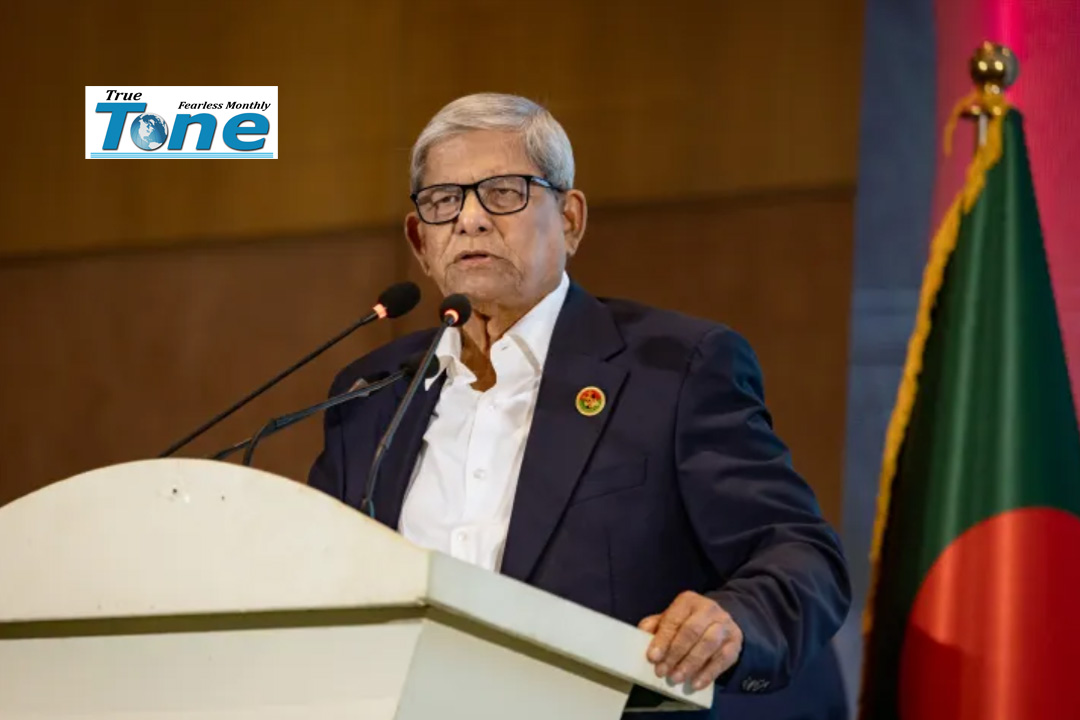
On the occasion, the President and Prime Minister extended greetings to the nation through separate messages. The President described Pahela Baishakh as a “universal festival of the Bengali soul,” calling for unity, harmony and renewed national commitment.
The Prime Minister emphasized that the festival is deeply connected to Bangladesh’s cultural identity, agricultural heritage and rural economy. He highlighted how Pahela Baishakh has historically symbolized renewal and resilience, encouraging citizens to overcome hardships and move forward with determination. His message also noted the strong link between the New Year celebrations and rural traditions that continue to shape the country’s socio-economic fabric.
Nationwide cultural programmes
Across the country, cultural organizations, educational institutions and local administrations have organized daylong events to mark the occasion. The Bangla Academy, Shilpakala Academy, and other cultural bodies have coordinated programmes including music, poetry, dance and folk performances.
In addition, the Udichi Shilpigoshthi is observing the day at Topkhana Road in Dhaka with performances themed around social change and cultural expression. Its programme includes music, poetry and dance performances continuing into the afternoon.
The Dhaka South City Corporation has also arranged cultural events under the theme “Let the lost joys of Bengal return in Baishakh,” while Art initiatives are staging puppet shows at the Bangladesh Military Museum premises near Bijoy Sarani, continuing until April 21.
Traditional fairs and rural celebrations
Throughout Bangladesh, Baishakhi fairs have sprung up in towns and villages, featuring traditional games such as Boli Khela, lathi khela and Ha-du-du. One of the most notable events is the historic Jabbarer Boli Khela in Chattogram, held at Laldighi Maidan, continuing a century-old sporting tradition.
In rural areas, local administrations have organised folk fairs, essay competitions for students and cultural programmes at district, upazila and union levels. Educational institutions across the country are also independently hosting celebrations, creating a festive atmosphere among students and teachers alike.
Security and public arrangements
Authorities have implemented extensive security measures to ensure peaceful celebrations, particularly in the capital. The Dhaka Metropolitan Police (DMP) and Rapid Action Battalion (RAB) have deployed personnel across key areas, including Ramna Park and Suhrawardy Udyan, to maintain order and ensure public safety.
In addition, arrangements have been made to provide medical services, safe drinking water and sanitation facilities at major gathering points. Museums and archaeological sites across the country remain open to the public with free entry for children, students and persons with disabilities.
Social participation and community spirit
The festival has also been marked by widespread community participation. Business communities, particularly in rural areas, have reopened traditional Halkhata (new account books), maintaining a long-standing commercial custom. Customers are being welcomed with sweets and refreshments, reflecting the festive spirit of renewal and goodwill.
Special arrangements have been made in prisons, hospitals and child welfare centres, where inmates, patients and children are being served traditional foods alongside cultural programmes. These initiatives aim to extend the festive atmosphere beyond public spaces and into institutional settings.
Media coverage and public holiday
Pahela Baishakh is being observed as a public holiday across the country. National newspapers have published special supplements highlighting the cultural significance of the day, while Bangladesh Television and Bangladesh Betar are broadcasting dedicated programmes showcasing performances, discussions and cultural features.
From urban streets to rural villages, Bangladesh is celebrating Pahela Baishakh as more than a cultural festival-it is a reaffirmation of identity, unity and collective hope. As the Bengali New Year begins, citizens across the nation step forward with renewed determination, carrying forward traditions that continue to define the country’s cultural landscape.












Md.Shahidur Rahman Tepa
Publisher & Editor
Mrs. Naznin Sultana - Associate Editor
Dr. Sariful Hoque Priom - Assistant Editor
Head Office: Tepa Complex 169/A, SS Nazrul Islam Sarani, Purana Paltan, Dhaka-1000, News and Commercial Office: 48 Bijoy Nagar (3rd Floor) Dhaka-1000,
E-mail: monthlytruetone@gmail.com
Leave a Reply