

PM urges officials to ensure accountability and deliver electoral promises
- Update Time : Sunday, April 26, 2026
- 138 Time View
Editorial Desk
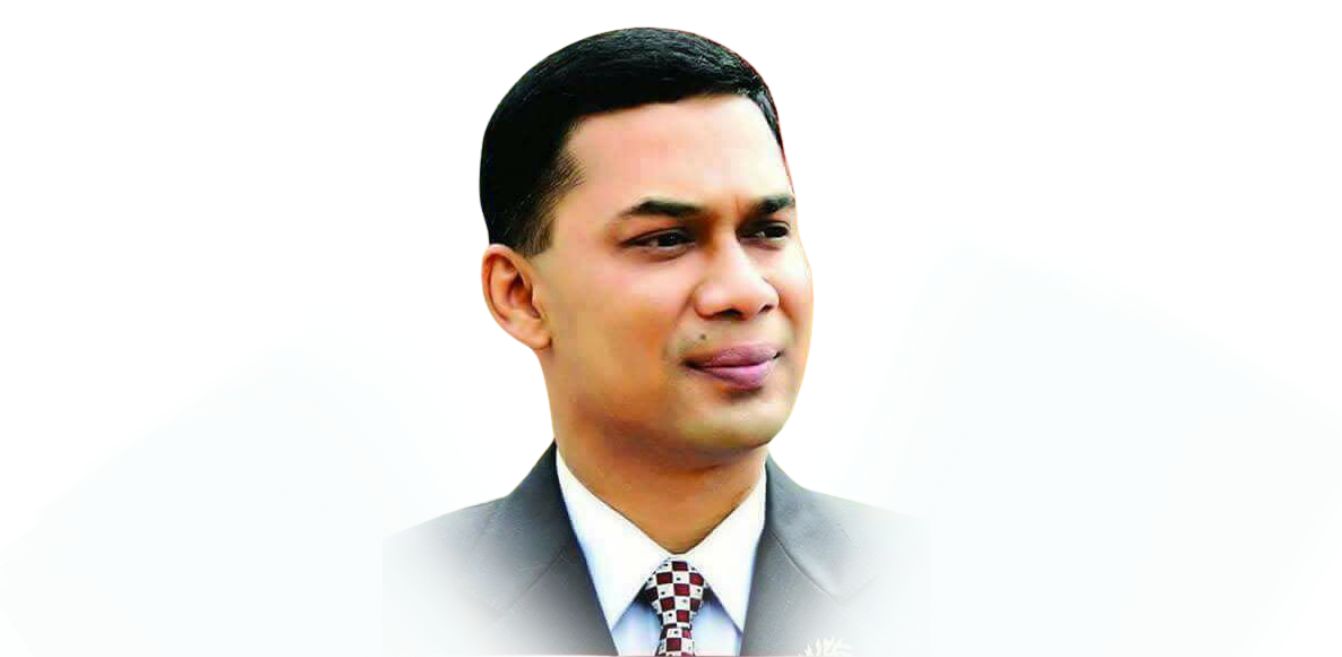
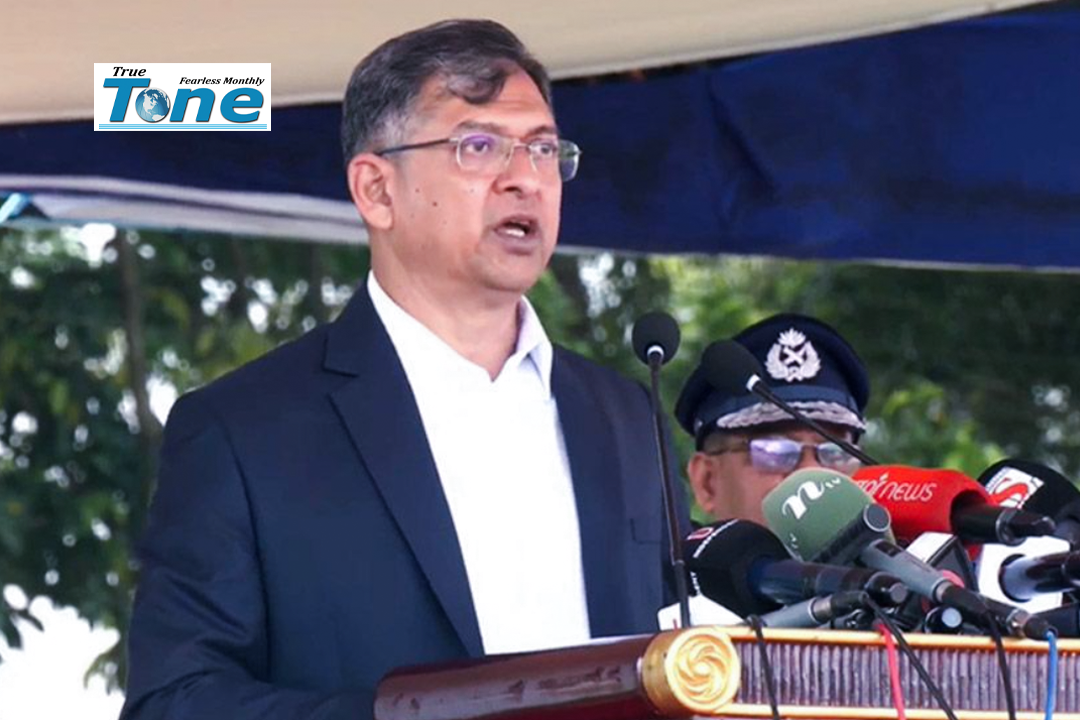
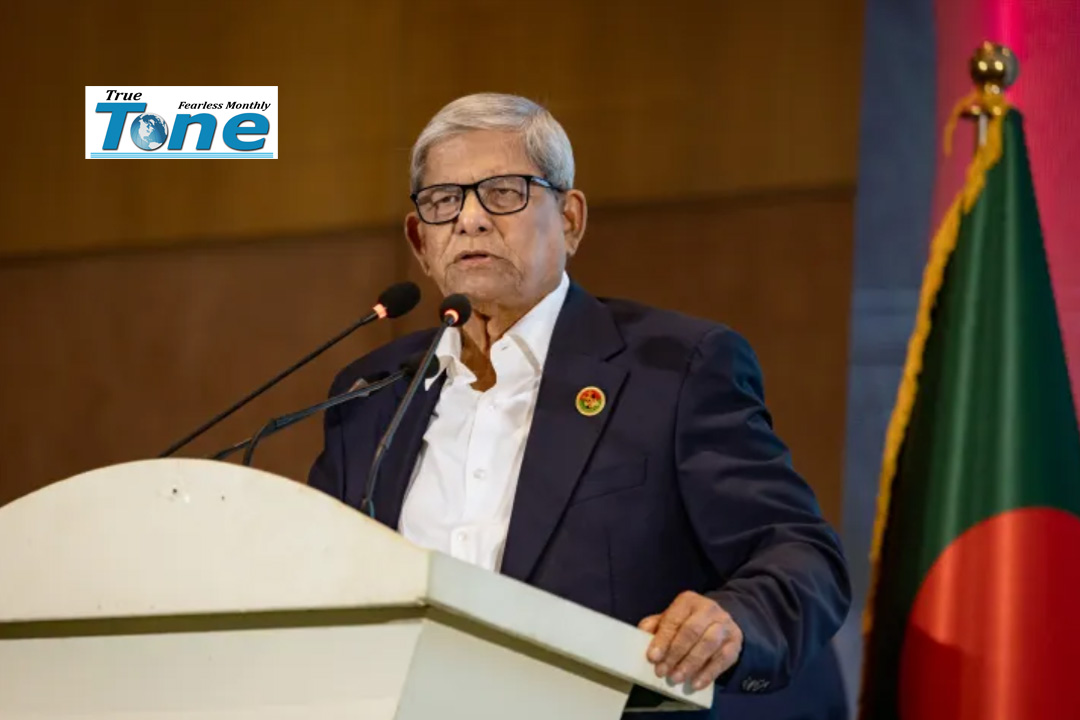
In a major policy address, Prime Minister Tarique Rahman highlighted the critical role of government officials in turning electoral promises into real outcomes. Speaking at the Bangladesh Institute of Administration and Management (BIAM) Foundation Auditorium on April 25, he said the success of a democratic mandate depends not only on political leadership but also on the professionalism, integrity, and efficiency of public administration.
The prime minister noted that public expectations are high after a decisive election result. He said the people’s support for his party’s manifesto is more than a political victory; it is a binding commitment between the government and the citizens. In this view, every pledge made during the election must be implemented with sincerity and urgency.
A central message of the speech was that public officials are not just implementers of policy but key drivers of national development. Rahman described them as the foundation of the state system, responsible for ensuring continuity, stability, and effective governance. He pointed out that their decisions can affect individuals, communities, and even the entire country, making their role both administrative and moral in nature.
He strongly emphasized transparency, accountability, and ethical conduct. According to him, maintaining public trust is essential for a functioning democracy. Without integrity in governance, even well-designed policies may fail during implementation. He urged officials to ensure fairness and honesty in every sector to uphold the confidence placed in the government by the people.
The prime minister also stressed the importance of strengthening institutions, especially through training and professional development. Referring to the BIAM Foundation, he described it as a symbol of long-term commitment to building an efficient and skilled public administration. The foundation stone laying of a new training and residential facility, he said, represents an investment in leadership development and human resource growth.
He explained that modern governance requires more than knowledge of rules and procedures. Officials must develop skills in technology use, data analysis, quick decision-making, and innovative problem-solving. These abilities are essential in a fast-changing global environment where governments must respond quickly and effectively to complex challenges.
Technology was another major focus of the speech. The prime minister said the world is entering a new era driven by artificial intelligence, automation, and digital systems. To remain competitive, Bangladesh must modernize its public administration by adopting these tools. Digital systems can improve efficiency, reduce delays, and increase transparency in government services.
He outlined a long-term goal of delivering government services directly to citizens through digital platforms. This approach will make services more accessible and reduce the need for physical visits to government offices. It will also help minimize corruption and improve service quality.
In addition to technology, the prime minister called for structural reforms in the administrative system. He stressed the need for a merit-based approach in recruitment, promotion, and transfers. According to him, decisions should be based on competence, performance, and integrity rather than political influence. This system would encourage professionalism and accountability within the administration.
He mentioned several reform initiatives, including strengthening the Public Service Commission, forming an administrative reform commission, and ensuring transparent recruitment processes. These steps aim to build trust in public institutions and improve overall governance.
The prime minister also discussed the need to modernize administrative systems to support economic growth. He emphasized simplifying procedures for businesses through single-window clearance and one-stop service systems. These measures will help create a more business-friendly environment, encourage investment, and improve competitiveness in the global market.
Beyond economic development, Rahman presented a vision of inclusive and sustainable growth. He said development should benefit all sections of society and reduce inequality. He highlighted the importance of empowering women and young people, describing them as key forces for national progress.
Environmental protection and climate resilience were also identified as important priorities. The prime minister stressed that development policies must include environmental considerations to ensure long-term sustainability. This is especially important for Bangladesh, which faces significant risks from climate change.
The speech also referred to recent political developments. Rahman mentioned the mass movement of July-August 2024 as a reminder that the people are the true owners of the state. He said public officials must always act in the interest of citizens and ensure their welfare.
In his concluding remarks, the prime minister urged officials to see themselves as servants of the people rather than just administrators. He encouraged a change in mindset toward a more citizen-focused approach to governance. By doing so, officials can help bridge the gap between policy decisions and real-world implementation.
Overall, the speech presented a clear and structured vision for improving public administration in Bangladesh. It combined ethical governance, institutional reform, technological advancement, and human resource development into a single framework. The message was clear: fulfilling democratic promises requires not only strong leadership but also a capable, transparent, and accountable administrative system.
The success of this vision will depend on effective implementation and continuous effort across all levels of government. However, by placing public administration at the center of governance, the prime minister has outlined a path toward a more efficient, transparent, and people-focused state.






Md.Shahidur Rahman Tepa
Publisher & Editor
Mrs. Naznin Sultana - Associate Editor
Dr. Sariful Hoque Priom - Assistant Editor
Head Office: Tepa Complex 169/A, SS Nazrul Islam Sarani, Purana Paltan, Dhaka-1000, News and Commercial Office: 48 Bijoy Nagar (3rd Floor) Dhaka-1000,
E-mail: monthlytruetone@gmail.com
Leave a Reply