

Trump signals caution as US-Iran peace negotiations continue amid fragile regional ceasefire
- Update Time : Monday, May 25, 2026
- 92 Time View

Dr. Shariful Haque Priom
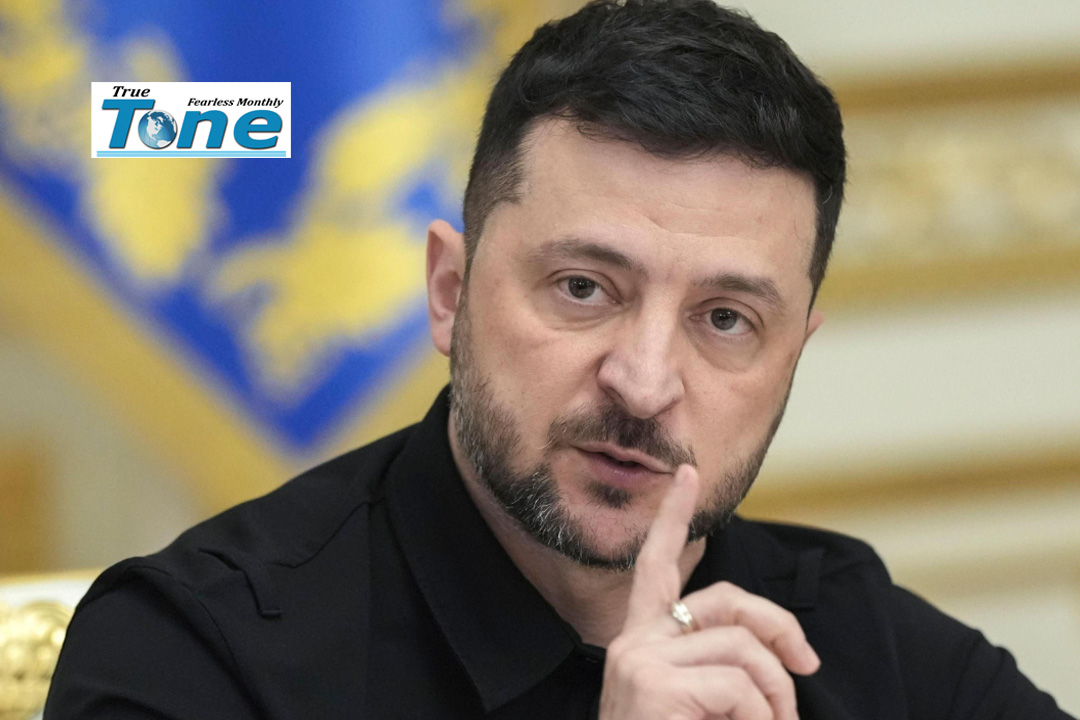
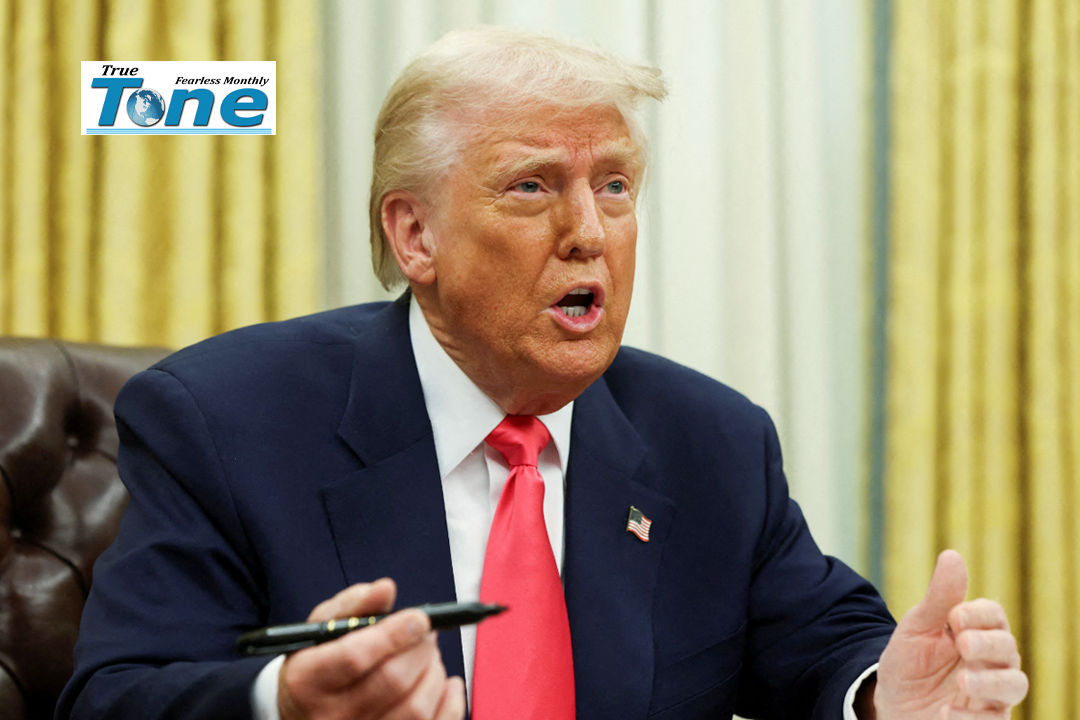
United States President Donald Trump has sought to lower expectations surrounding a possible breakthrough agreement with Iran, emphasizing that Washington will not rush into a deal despite recent signs of progress in negotiations aimed at ending months of conflict across the Middle East.
In a social media statement released on May 24, Trump said he had instructed American negotiators to proceed carefully during ongoing discussions with Tehran. “Time is on our side,” the president declared, signaling that the United States believes it maintains strategic leverage in the talks. He also confirmed that the American blockade on Iranian ports and maritime trade routes would remain in place until any agreement is fully finalized, verified, and signed by all parties involved.
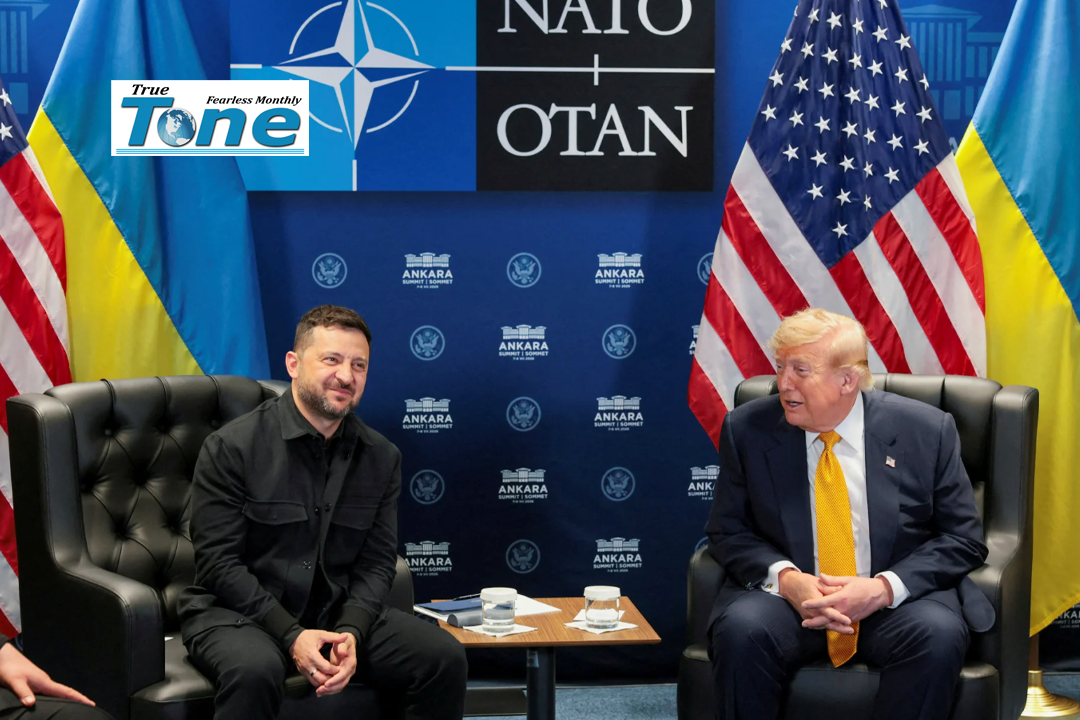
The comments came after earlier statements from Trump appeared more optimistic. In previous remarks, he suggested that a framework for peace had already been “largely negotiated,” pending final approval between the United States, Iran, and several regional governments participating in the diplomatic process. However, the latest remarks indicate that significant disagreements still remain behind closed doors.
The conflict between the United States, Israel, and Iran erupted earlier this year following a major escalation on February 28, when American and Israeli forces launched coordinated strikes against targets inside Iran. Tehran responded with waves of missile and drone attacks directed at Israeli and American interests throughout the region, rapidly pushing the Middle East toward a broader regional war.
After weeks of military confrontation, a ceasefire was established on April 8 through mediation efforts involving multiple countries. While large-scale direct fighting has largely stopped, tensions remain extremely high. Iran continues to impose strict controls on shipping activities in the Persian Gulf, while the United States has maintained a naval blockade targeting Iranian ports and trade routes.
Iranian media outlets have also signaled that negotiations remain incomplete. According to the Iranian news agency Tasnim, several crucial elements of a potential agreement are still unresolved. Among the most sensitive issues are the release of frozen Iranian financial assets and the future of economic sanctions that have heavily impacted Iran’s economy over recent years.
US Secretary of State Marco Rubio also cautioned against expecting an immediate diplomatic breakthrough. In an interview with The New York Times, Rubio stated that although regional support for the negotiations is growing, a comprehensive agreement involving Iran’s nuclear program cannot be achieved quickly or casually.
Rubio explained that several countries across the Middle East currently support Washington’s diplomatic approach. Regional powers including Saudi Arabia, the United Arab Emirates, Qatar, Egypt, Jordan, Bahrain, Turkey, and Pakistan have all reportedly participated in discussions connected to the peace initiative.
At the center of the negotiations remains the longstanding dispute over Iran’s nuclear ambitions. The United States and its allies have repeatedly demanded that Tehran permanently halt uranium enrichment activities, arguing that such programs could eventually lead to the development of nuclear weapons.
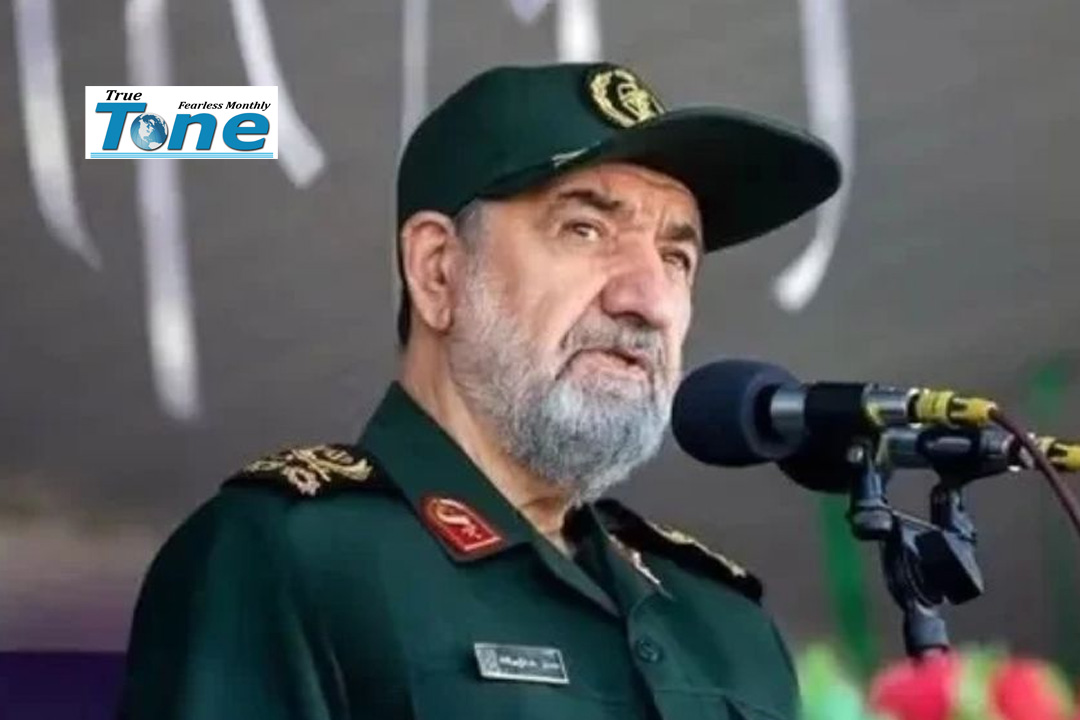
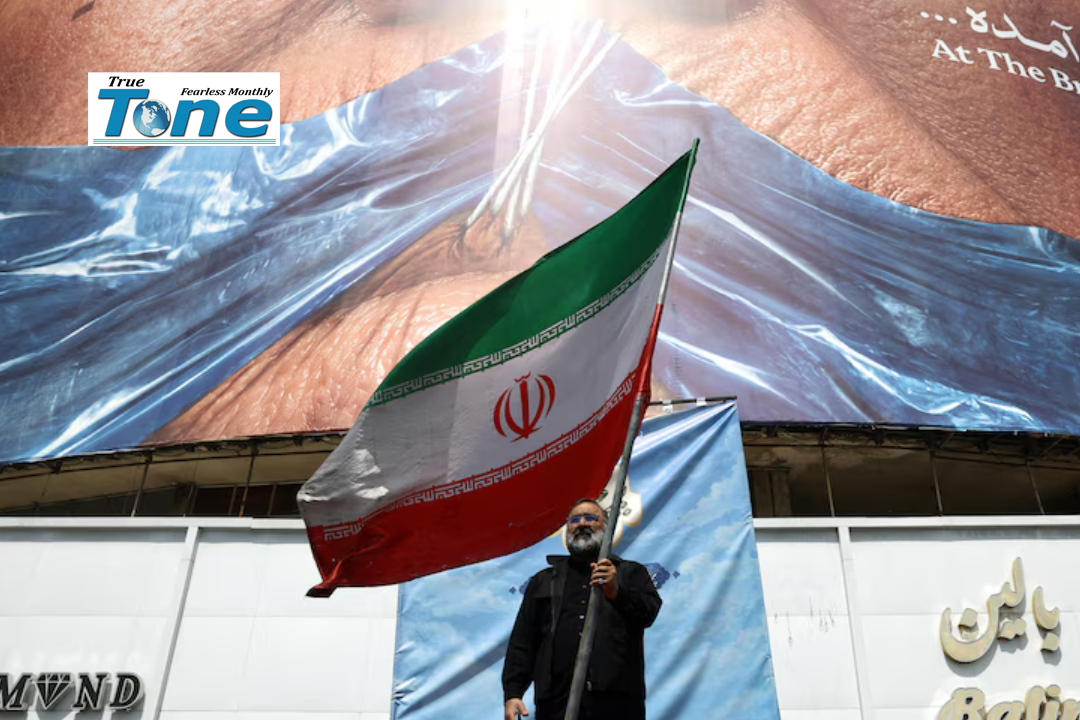
Iranian officials, however, continue to insist that their nuclear program is intended solely for peaceful civilian purposes. Iranian President Masoud Pezeshkian stated in a televised interview that Iran remains willing to reassure the international community that it does not seek nuclear weapons. Nevertheless, reports from Iranian media suggest that formal negotiations concerning nuclear enrichment may be postponed for up to 60 days after a broader political agreement is reached.
According to Iran’s Fars news agency, one proposal currently under discussion would temporarily ease sanctions on Iran’s oil, gas, and petrochemical sectors during the negotiation period. Such a move could provide Iran with immediate economic relief by allowing it to resume international energy exports more freely while talks continue.
Meanwhile, Israeli Prime Minister Benjamin Netanyahu reaffirmed Israel’s hardline position regarding Iran’s nuclear activities. Netanyahu stated that he and Trump agree any final settlement must completely eliminate what Israel describes as the Iranian nuclear threat. Israel has consistently argued that Tehran’s enrichment capabilities pose a direct danger to regional security and Israeli national interests.
Pakistan has also emerged as an important diplomatic intermediary during the crisis. Pakistani Prime Minister Shehbaz Sharif confirmed that Islamabad hopes to host another round of direct talks between American and Iranian officials in the near future. Pakistan previously facilitated historic face-to-face discussions between both sides earlier this year.
Sharif said Pakistan’s military chief, General Asim Munir, recently visited Tehran and participated in a regional leaders’ call with Trump focused on advancing peace efforts and achieving long-term stability across the Middle East.
Despite diplomatic progress, violence continues in neighboring Lebanon. Israel’s military has continued conducting airstrikes against positions linked to the Iran-backed group Hezbollah in southern and eastern Lebanon, even after an April 17 ceasefire agreement intended to reduce hostilities along the Israeli-Lebanese border.
The conflict involving Hezbollah intensified after the group launched attacks against Israel following strikes that reportedly killed Iran’s supreme leader earlier this year. Since then, the Lebanese front has remained one of the most dangerous flashpoints in the wider regional crisis.
Rubio accused Hezbollah of attempting to destabilize Lebanon and drag the country “back into chaos.” His remarks appeared directed at Hezbollah leader Naim Qassem, who recently suggested that Lebanese citizens had the right to protest against the current government due to ongoing Israeli attacks and new American sanctions targeting financial institutions associated with Hezbollah supporters.
As negotiations continue, uncertainty still dominates the region. While diplomats appear closer to a possible agreement than at any point since the war began, deep disagreements over sanctions, nuclear restrictions, and regional security continue to complicate efforts to secure a lasting peace






Md.Shahidur Rahman Tepa
Publisher & Editor
Mrs. Naznin Sultana - Associate Editor
Dr. Sariful Hoque Priom - Assistant Editor
Head Office: Tepa Complex 169/A, SS Nazrul Islam Sarani, Purana Paltan, Dhaka-1000, News and Commercial Office: 48 Bijoy Nagar (3rd Floor) Dhaka-1000,
E-mail: monthlytruetone@gmail.com
Leave a Reply