

Bangladesh returns to global leadership: Dr. Khalilur Rahman elected president of the 81st UN General Assembly
- Update Time : Wednesday, June 3, 2026
- 76 Time View

True Tone Desk
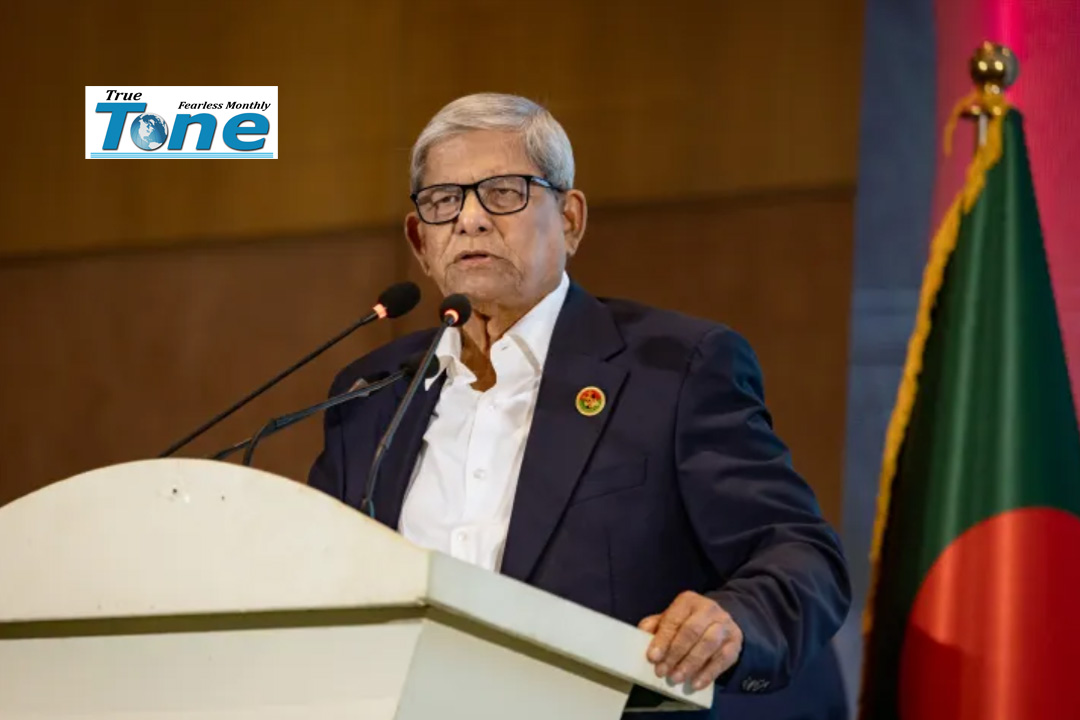
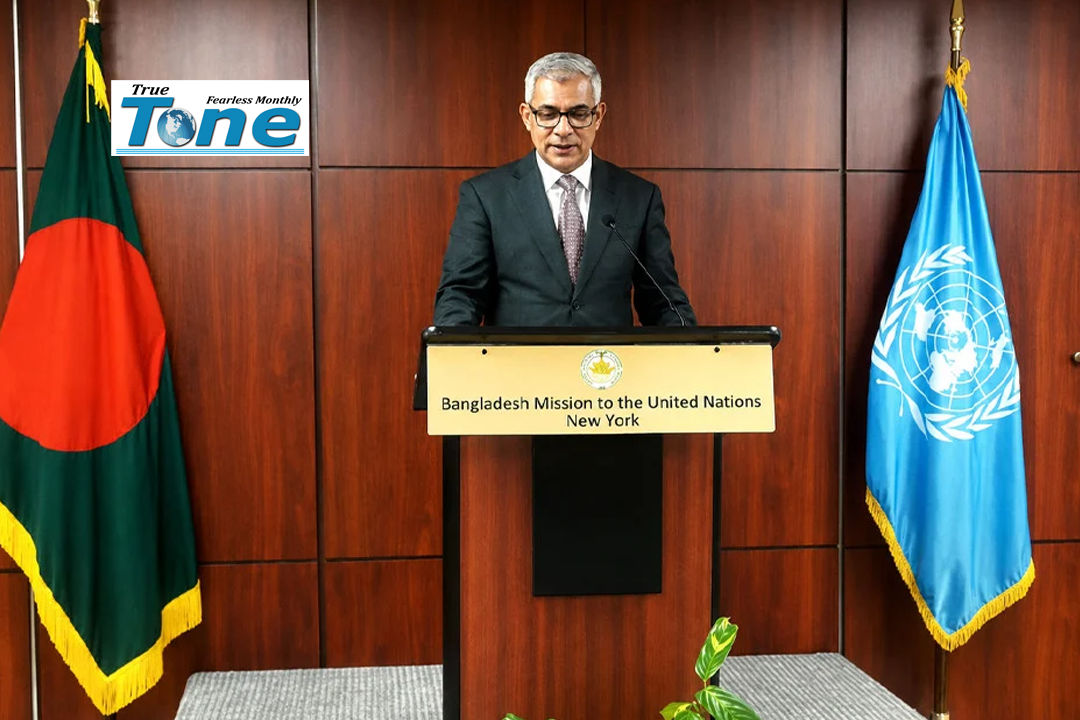
A historic new chapter has been written in Bangladesh’s diplomatic journey as the country’s Foreign Minister, Dr. Khalilur Rahman, has been elected President of the 81st session of the United Nations General Assembly (UNGA), the highest policy-making body of the United Nations. This remarkable achievement not only marks a personal milestone for Dr. Rahman but also stands as a powerful testament to Bangladesh’s growing influence and credibility in international affairs.
The election, held at the United Nations Headquarters in New York, was highly competitive and closely contested. In a secret ballot among the UN’s 193 member states, Dr. Khalilur Rahman secured 99 votes, defeating his nearest rival, Andreas Kakouris of Cyprus, who received 91 votes. The victory comes at a symbolic moment, just before the 55th anniversary of Bangladesh’s independence, underscoring the country’s emergence as a respected voice in global diplomacy.
Dr. Rahman assumes this prestigious role at a time when the world faces unprecedented challenges. Ongoing conflicts in Ukraine and the Middle East continue to threaten international peace and stability. Meanwhile, climate change, food insecurity, energy shortages, large-scale displacement of populations, and the rapid advancement of technologies such as Artificial Intelligence (AI) present complex challenges that require collective global action.
Recognizing the significance of these challenges, both outgoing UNGA President Annalena Baerbock and UN Secretary-General António Guterres have described the current period as one of the most difficult tests for multilateral cooperation in recent history. Against this backdrop, Dr. Rahman’s election is widely viewed as an opportunity to strengthen international dialogue and build consensus among nations.
In his acceptance speech, Dr. Khalilur Rahman expressed deep gratitude and humility, emphasizing that his election represents not only a victory for Bangladesh but also a victory for multilateralism and international solidarity. He outlined six key priorities that will guide his presidency during the 81st session of the General Assembly.
The first priority is promoting international peace and security through conflict prevention, peaceful resolution of disputes, and the protection of civilians affected by war. Secondly, he pledged to accelerate progress toward achieving the Sustainable Development Goals (SDGs) by addressing financing gaps that hinder development efforts, particularly in vulnerable and developing nations.
Climate action constitutes the third pillar of his agenda. As one of the countries most vulnerable to climate change, Bangladesh has long advocated for stronger global commitments to environmental protection and climate resilience. Dr. Rahman aims to push for coordinated international measures to address these urgent concerns.
His fourth priority focuses on safeguarding human rights and humanitarian values, ensuring that the dignity and rights of individuals remain central to global governance. The fifth priority involves establishing effective governance frameworks for emerging technologies, particularly Artificial Intelligence, through the implementation of the Global Digital Compact to ensure responsible and ethical technological advancement.
Finally, Dr. Rahman has pledged to support comprehensive United Nations reform under the “UN80” initiative, seeking to make the organization more efficient, agile, transparent, and responsive to contemporary global realities.
International relations experts believe that Bangladesh’s leadership of the General Assembly will create valuable opportunities for the country to advance several critical national interests. One of the most pressing issues is the Rohingya refugee crisis. Bangladesh currently hosts more than one million Rohingya refugees who fled persecution in Myanmar. The UNGA presidency will provide an influential platform to maintain international attention on the crisis and mobilize support for a safe, dignified, and sustainable solution.
Furthermore, Bangladesh is expected to strengthen its advocacy for climate-vulnerable nations and amplify the concerns of developing countries that are disproportionately affected by environmental challenges despite contributing minimally to global emissions. The presidency may also enhance Bangladesh’s ability to attract international cooperation and support as it prepares for its transition from a Least Developed Country (LDC) to a developing economy.
This achievement also carries historical significance. Forty years ago, in 1986, Bangladesh’s then Foreign Minister, Humayun Rasheed Choudhury, served as President of the 41st session of the UN General Assembly. Dr. Khalilur Rahman’s election marks the nation’s return to this esteemed position after four decades, highlighting the continuity of Bangladesh’s commitment to global peace, cooperation, and diplomacy.
Diplomatic observers note that this success is the result of Bangladesh’s long-standing contributions to the international community, including its role as one of the world’s leading contributors to UN peacekeeping missions, its globally recognized expertise in disaster management, and its humanitarian efforts in hosting displaced populations.
Dr. Khalilur Rahman will officially assume office on September 8, 2026, beginning a one-year term that promises to elevate Bangladesh’s standing on the world stage. His election represents not only a proud moment for the nation but also a renewed opportunity for constructive global leadership during a time of profound international uncertainty.







Md.Shahidur Rahman Tepa
Publisher & Editor
Mrs. Naznin Sultana - Associate Editor
Dr. Sariful Hoque Priom - Assistant Editor
Head Office: Tepa Complex 169/A, SS Nazrul Islam Sarani, Purana Paltan, Dhaka-1000, News and Commercial Office: 48 Bijoy Nagar (3rd Floor) Dhaka-1000,
E-mail: monthlytruetone@gmail.com
Leave a Reply