
Dr. Shariful Haque Priom
A sharp disagreement between US President Donald Trump and Israeli Prime Minister Benjamin Netanyahu has reportedly exposed growing tensions between Washington and Jerusalem over Israel’s military campaign in Lebanon and its potential impact on sensitive diplomatic negotiations with Iran.
According to a report by Axios published on June 2, Trump engaged in what sources described as one of the most heated conversations between the two leaders since his return to the White House. The confrontation reportedly centered on Israel’s intensified military operations in Lebanon and concerns that further escalation could derail ongoing US efforts to reach a diplomatic understanding with Tehran.
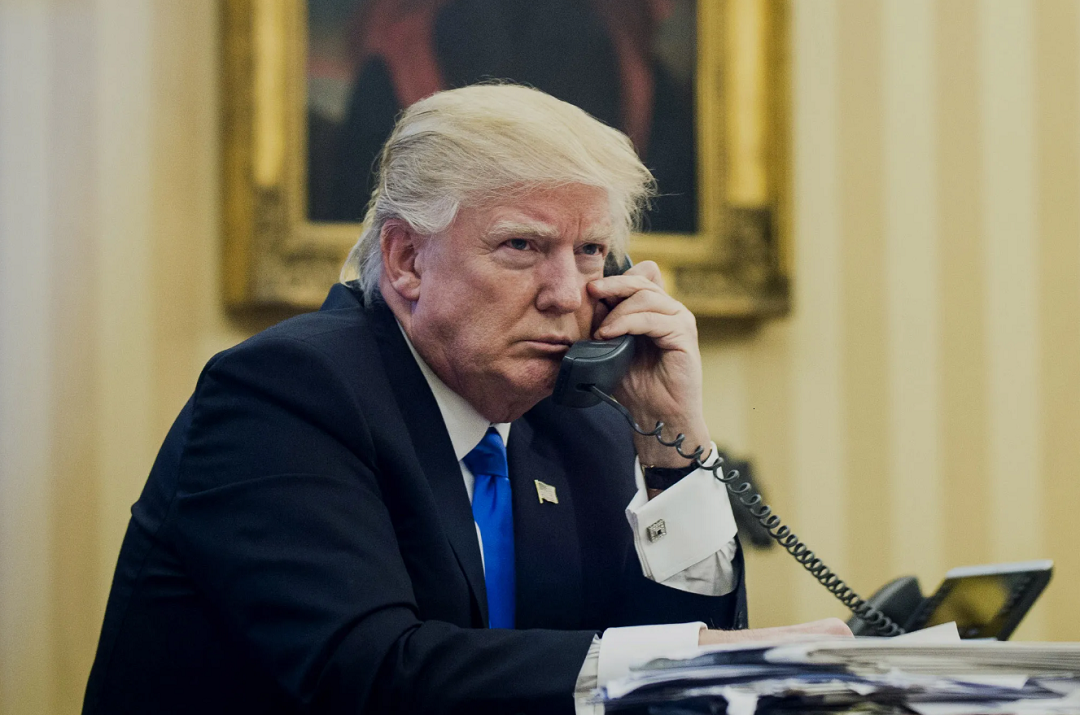
Citing two American officials and another source briefed on the call, Axios reported that Trump was furious with Netanyahu over plans for a major military strike in Beirut. The US president allegedly warned that such actions threatened to undermine delicate negotiations with Iran, which are viewed by Washington as a crucial pathway toward reducing regional tensions.
One source summarized Trump’s remarks as unusually blunt and personal. According to the report, Trump accused Netanyahu of acting recklessly and jeopardizing broader strategic interests in the Middle East. Another source stated that Trump repeatedly questioned Israel’s recent military decisions and expressed frustration over the mounting civilian casualties resulting from the campaign.
The reported exchange reflects growing concerns within the US administration regarding the widening conflict along Israel’s northern border. Israel has significantly expanded its military operations against Hezbollah positions in Lebanon in recent days, carrying out extensive airstrikes and ground operations. Israeli forces have also advanced deeper into southern Lebanon, capturing strategic locations including the historic Beaufort Castle, a centuries-old fortress overlooking key routes in the region.
Israeli officials argue that the military campaign is necessary to eliminate threats posed by Hezbollah, which has continued launching attacks against Israeli territory. The Israeli government maintains that its operations are aimed at protecting civilians and restoring security along the border.
However, critics have raised concerns about the humanitarian consequences of the campaign. Reports of civilian casualties and widespread destruction in Lebanese communities have intensified international scrutiny. According to sources cited by Axios, Trump believes that while Israel has the right to defend itself, some recent military actions may have exceeded what Washington considers proportionate responses.
The dispute has taken on added significance because of its connection to US-Iran diplomacy. Tehran has reportedly linked progress in negotiations with Washington to an end to hostilities in Lebanon. A memorandum currently under discussion between American and Iranian representatives is said to include provisions related to regional de-escalation.
Iranian officials have warned that continued Israeli military operations could force Tehran to abandon the diplomatic process altogether. Iranian Parliament Speaker Mohammad Bagher Ghalibaf recently stated that Iran’s response to ongoing Israeli actions could extend beyond simply suspending negotiations.
Following discussions with Lebanese Parliament Speaker Nabih Berri, Ghalibaf publicly declared that if Israeli military operations continue, Iran may consider direct confrontation with what he described as “the enemy.” Such statements have heightened fears that the conflict could expand into a broader regional confrontation involving multiple actors.
Trump later appeared to confirm elements of the reported disagreement in a post on Truth Social. The US president revealed that he had personally spoken with Netanyahu and urged him not to proceed with a major raid on Beirut. Trump claimed that the Israeli leader subsequently altered military plans and redirected forces. He also asserted that representatives linked to Hezbollah’s leadership had agreed to halt attacks against Israel, although independent confirmation of such an agreement has not been publicly provided.
Netanyahu, however, presented a different version of events. In public remarks, he stated that Israel’s position remains unchanged and emphasized that military operations in southern Lebanon would continue as planned. The Israeli prime minister said he informed Trump that Beirut could still face military action if Hezbollah failed to cease attacks on Israeli territory.
The differing public accounts underscore the complex relationship between the two leaders. While Trump has historically been one of Israel’s strongest international supporters, recent developments suggest that strategic disagreements may be emerging as Washington seeks to balance support for Israel with broader diplomatic objectives in the Middle East.
Analysts note that the confrontation comes at a particularly sensitive moment. Any collapse of US-Iran negotiations could increase regional instability and raise the risk of direct military clashes involving Iran, Israel, Hezbollah, and potentially other regional actors. At the same time, Israel remains determined to address security threats along its borders, creating a difficult challenge for American policymakers seeking to prevent a wider war.
As military operations continue and diplomatic negotiations remain uncertain, the Middle East faces another critical juncture. Whether Trump’s intervention succeeds in restraining further escalation or whether tensions continue to rise may have significant consequences not only for Lebanon and Israel but for the broader balance of power across the region.