


News Desk
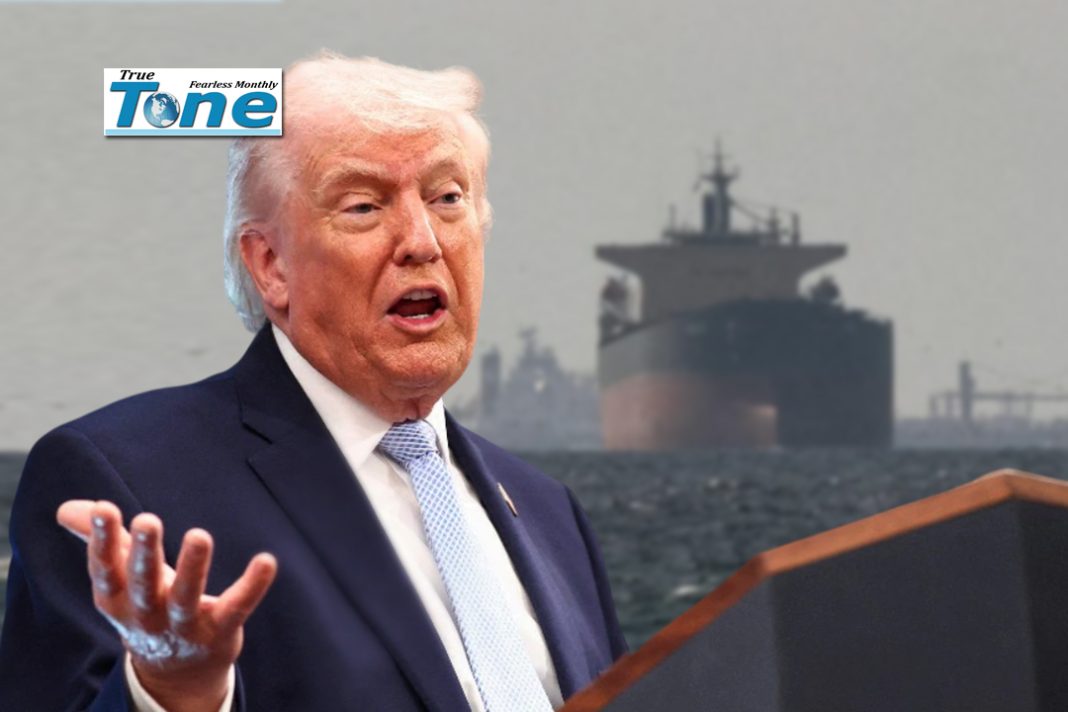
US President Donald Trump announced on April 7 that he would suspend ongoing military strikes against Iran for a period of two weeks, in a move framed as a temporary de-escalation in a rapidly intensifying conflict. The decision came just under an hour before a previously declared deadline for a potentially devastating military escalation was set to expire.
The announcement followed more than five weeks of sustained aerial and strategic attacks carried out by the United States and Israel targeting Iranian infrastructure and military assets. In a statement posted on his Truth Social platform, “I agree to suspend the bombing and attack of Iran for a period of two weeks. This will be a double sided CEASEFIRE! The reason for doing so is that we have already met and exceeded all Military objectives, and are very far along with a definitive Agreement concerning Longterm PEACE with Iran, and PEACE in the Middle East.”
Trump said the pause was contingent upon Tehran agreeing to reopen the critical Strait of Hormuz-a narrow maritime corridor through which a significant portion of the world’s oil supply passes.
According to Trump, the temporary suspension was influenced by diplomatic intervention from Pakistan. He stated that Pakistani leadership had urged restraint, requesting that the United States delay further military action to allow room for negotiations. Trump indicated that he accepted this appeal, provided Iran meets specific conditions, primarily the “complete, immediate, and safe” reopening of the Strait.
“The reason for doing so is that we have already met and exceeded all military objectives,” Trump said, adding that discussions were “very far along” toward achieving a broader agreement aimed at long-term peace in the Middle East. He also revealed that Iran had submitted a 10-point proposal, which he described as “workable,” though no details of the plan were disclosed.
The global energy market responded swiftly to the announcement. Oil prices, which had surged during the weeks of conflict due to fears of prolonged disruption in the Gulf region, dropped sharply following news of the potential de-escalation. The Strait of Hormuz is a vital artery for international oil shipments, and its closure by Iran in late February had contributed significantly to market volatility.
Despite the announcement, there was no immediate official response from either Iran or Israel. Tehran had previously taken a firm stance, refusing to reopen the waterway and asserting its readiness to respond to any further military aggression. Iranian officials have characterized the closure of the Strait as a defensive measure following the initial wave of attacks launched on February 28.
Earlier on the same day, Trump issued stark warnings that drew widespread international concern. In a social media post, he suggested that failure to reach an agreement could result in catastrophic consequences, including the destruction of “a whole civilization.” The language marked a sharp escalation in rhetoric and prompted criticism from various quarters, with some observers warning of the implications under international law.
Meanwhile, the United Nations welcomed the announcement of a temporary ceasefire. UN Secretary-General Antonio Guterres, through his spokesperson, expressed cautious optimism and urged all parties to adhere strictly to international legal obligations. The UN called for the ceasefire to serve as a foundation for broader diplomatic efforts aimed at achieving lasting peace in the region.
The coming days are expected to be critical, as diplomatic channels remain active and the international community watches closely to see whether the temporary halt in hostilities can translate into a more durable resolution to the crisis.