

Reform UK proposes visa ban on countries demanding slavery reparations
- Update Time : Wednesday, April 8, 2026
- 136 Time View
Dr. Sariful Hoque Priom
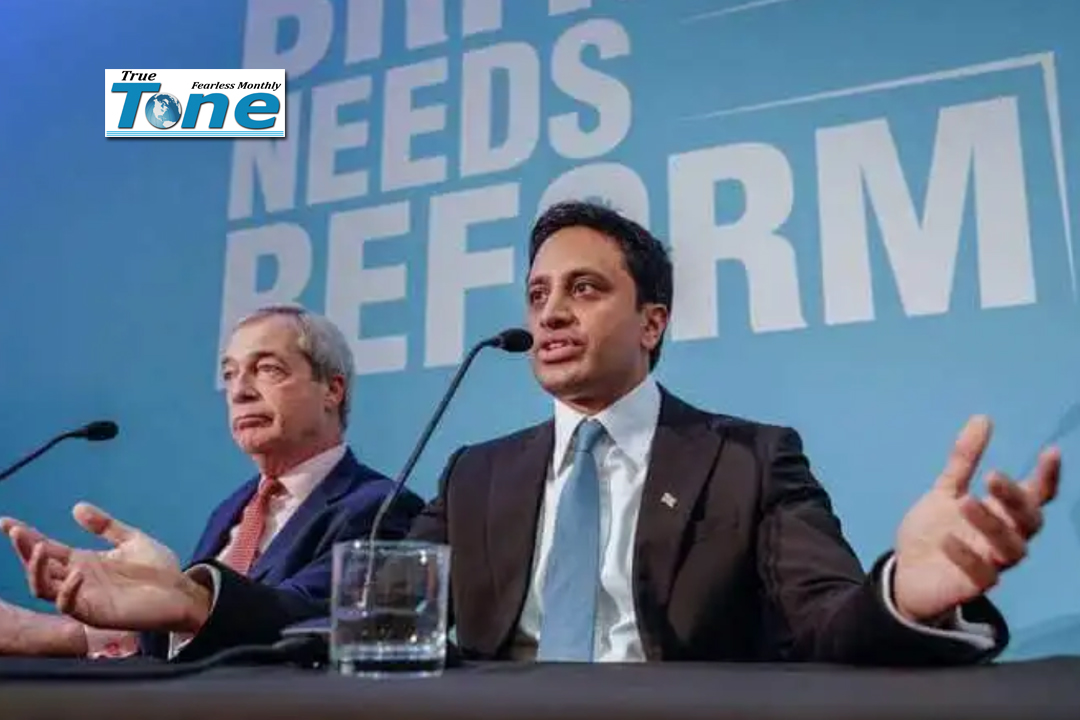
A new and controversial policy proposal from Reform UK has sparked intense political and international debate, as the party calls for a sweeping visa ban targeting countries that demand slavery reparations from the United Kingdom. The proposal, described as a “Reparations Lock,” would halt the issuance of all new visas to nationals of such countries, including those applying for work, study, family reunification, or tourism.
The initiative was publicly outlined by Zia Yusuf, the party’s home affairs spokesman, in an interview with The Telegraph. Yusuf argued that the growing number of reparations claims directed at Britain is both unjustified and disrespectful, especially in light of what he described as the country’s historic role in abolishing slavery and enforcing anti slavery measures globally.
According to Yusuf, successive governments led by both the Conservative and Labour parties have adopted overly lenient immigration and foreign aid policies. He pointed out that over the past two decades, the United Kingdom has granted approximately 3.8 million visas to individuals from countries that are now seeking compensation for Britain’s role in the transatlantic slave trade. Additionally, he highlighted that these same countries have received billions in foreign aid, totaling around 6.6 billion pounds.
“The United Kingdom is not an ATM for grievances rooted in the distant past,” Yusuf stated, emphasizing that the country should not continue what he described as a one sided relationship. “There must be a point where we say enough is enough.”
The proposed Reparations Lock policy would represent a dramatic shift in Britain’s immigration framework. If implemented, it would effectively close the country’s borders to citizens of nations that formally pursue reparations claims against the UK government. This would not only impact migration but could also have serious consequences for education, business partnerships, tourism, and diplomatic relations.
The policy is closely associated with the broader political vision of Nigel Farage, a prominent figure in British politics and a key voice behind Reform UK. Farage has long advocated for stricter immigration controls and a reevaluation of Britain’s international obligations. The new proposal aligns with his broader message that national sovereignty and economic interests should take priority over what he views as symbolic or politically motivated demands.
The timing of the proposal is significant. It comes shortly after the United Nations General Assembly adopted a resolution describing the transatlantic slave trade as one of the gravest crimes against humanity. The resolution, introduced by Ghana, called on nations to consider formal apologies and contributions to reparations funds aimed at addressing the long term consequences of slavery.
The measure received overwhelming support, passing with 123 votes in favor. However, several countries, including the United Kingdom, chose to abstain. Meanwhile, nations such as the United States, Israel, and Argentina voted against the resolution, reflecting a lack of global consensus on how to address historical injustices tied to slavery.
At least seventeen countries have formally demanded reparations from Britain. These include Caribbean nations such as Jamaica, Barbados, and Bahamas, as well as African nations including Kenya and Nigeria. These countries argue that the economic and social consequences of slavery continue to affect their populations and that former colonial powers should provide compensation or other forms of restitution.
A report published in 2023 by a former judge of the International Court of Justice estimated that the United Kingdom alone could owe more than 24 trillion dollars in reparations to fourteen Caribbean countries. The figure, which far exceeds the size of the British economy, has been widely debated and criticized by policymakers and economists alike. According to the report, a significant portion of this amount would be owed to Jamaica, reflecting the scale of exploitation during the colonial period.
The UK government has consistently rejected calls for reparations. Rachel Reeves, the current Chancellor, has stated that the country simply cannot afford such payments. She emphasized that while the historical legacy of slavery is deeply troubling, modern governments must prioritize current economic realities and social needs.
The Conservative opposition has taken an even firmer stance, with several figures labeling reparations demands as unrealistic or even fraudulent. This political consensus against reparations highlights a broader reluctance within British politics to engage with financial compensation as a solution to historical injustice.
Critics of Reform UK’s proposal argue that the visa ban would be both morally questionable and strategically unwise. They contend that linking immigration policy to historical disputes risks alienating important allies and could damage Britain’s global reputation. Furthermore, such a policy could disproportionately affect ordinary citizens who have no direct connection to their governments’ diplomatic positions.
Human rights advocates have also expressed concern that the proposal could violate principles of fairness and non discrimination. By targeting individuals based on the policies of their home countries, the visa ban could be seen as collective punishment rather than a legitimate policy response.
Supporters of the proposal, however, argue that it represents a necessary assertion of national dignity. They believe that continued demands for reparations undermine Britain’s contributions to ending the slave trade and ignore the complexities of historical responsibility. For them, the Reparations Lock is not merely an immigration measure but a statement about how the country chooses to engage with its past and its role in the modern world.
The debate over slavery reparations is not new, but it has gained renewed momentum in recent years. As countries and international organizations continue to grapple with the legacy of colonialism and slavery, proposals like Reform UK’s highlight the deep divisions that remain on how best to address these issues.
Whether the Reparations Lock policy will gain traction remains uncertain. However, it has already succeeded in bringing the issue of reparations back into the political spotlight, forcing policymakers, historians, and the public to confront difficult questions about history, accountability, and the future of international relations.
As the discussion continues, one thing is clear: the intersection of immigration policy and historical justice is likely to remain a contentious and evolving topic in British politics for years to come.














Md.Shahidur Rahman Tepa
Publisher & Editor
Mrs. Naznin Sultana - Associate Editor
Dr. Sariful Hoque Priom - Assistant Editor
Head Office: Tepa Complex 169/A, SS Nazrul Islam Sarani, Purana Paltan, Dhaka-1000, News and Commercial Office: 48 Bijoy Nagar (3rd Floor) Dhaka-1000,
E-mail: monthlytruetone@gmail.com
Leave a Reply