International Desk
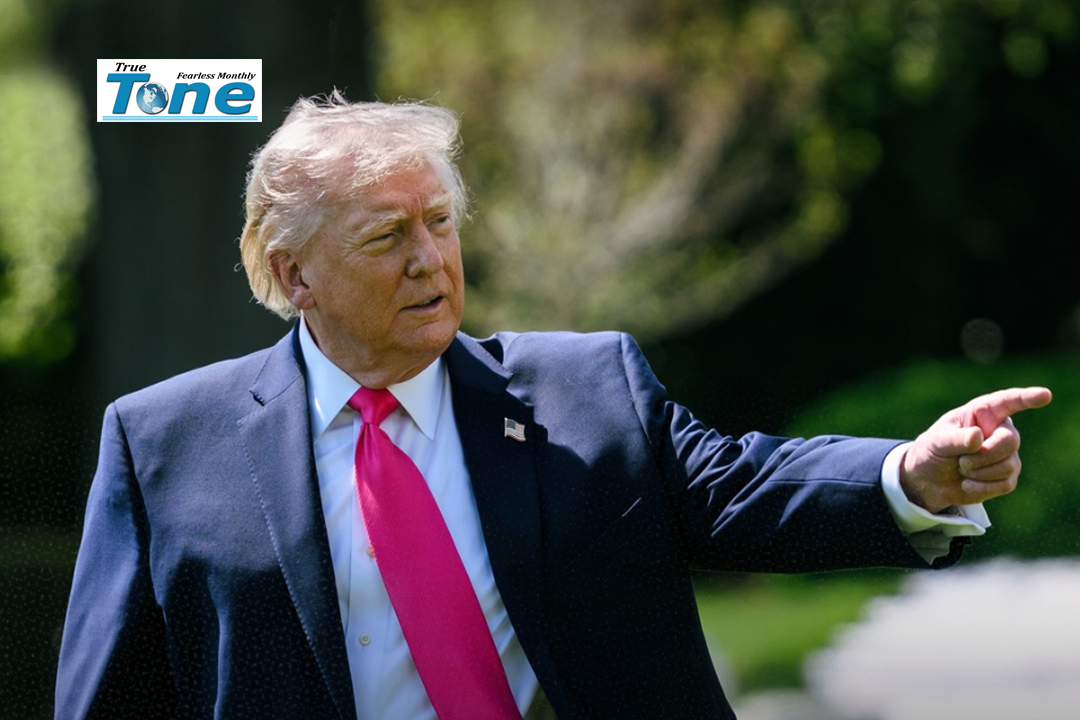
The diplomatic standoff between the United States and Iran has entered a new phase after reports emerged that US President Donald Trump is pushing for last-minute changes to a proposed peace agreement aimed at reviving negotiations over Tehran’s nuclear program. According to reports from major US media outlets, the president has requested additional commitments from Iran before approving a framework that would extend the current ceasefire and restart formal discussions.
The development comes at a sensitive moment in relations between Washington and Tehran. On May 28, representatives from both countries reportedly reached a memorandum of understanding that would prolong the ceasefire established in April by another 60 days. The agreement was also intended to reopen diplomatic channels and create a pathway for renewed negotiations over Iran’s nuclear activities.
However, optimism surrounding the draft agreement was short-lived. Reports indicate that President Trump convened senior national security officials at the White House Situation Room on May 29 to review the proposed terms. During the meeting, concerns were reportedly raised about several provisions of the deal, particularly those involving the unfreezing of Iranian assets and the lack of detailed mechanisms for addressing Iran’s stockpile of enriched uranium.
According to sources familiar with the discussions, Trump believed the draft did not place sufficient pressure on Tehran and sought stronger guarantees regarding Iran’s nuclear commitments. One of the key revisions reportedly requested by the president involves greater specificity on how and when the United States would gain control over or oversee Iran’s enriched uranium reserves. Washington has long viewed these reserves as a potential pathway to nuclear weapons development, despite Iran’s insistence that its program is intended solely for peaceful purposes.
Speaking in an interview with Fox News on May 30, Trump reiterated his determination to secure what he described as a “great deal” that would ensure Iran never acquires nuclear weapons. The president emphasized that any agreement must provide clear and verifiable assurances regarding Tehran’s nuclear activities.
While Trump initially suggested that he was not under pressure to reach a rapid agreement, he later acknowledged economic concerns that could influence the urgency of negotiations. In particular, he pointed to rising gasoline prices as a factor that could have broader implications for the US economy. The president also issued a stern warning, stating that if diplomatic efforts failed, military options remained on the table.
The remarks have heightened tensions between the two countries and prompted strong reactions from Iranian officials. Tehran has consistently maintained that its right to pursue nuclear energy for civilian purposes is a sovereign right that cannot be negotiated away. Iranian leaders have repeatedly rejected allegations that the country is seeking to develop nuclear weapons and have argued that international inspections have not produced evidence supporting such claims.
Iranian Foreign Minister Abbas Araghchi criticized Trump’s approach, accusing the US president of undermining diplomatic efforts at a critical stage in the negotiations. Araghchi argued that threats and military pressure would not persuade Iran to abandon its national interests or make unilateral concessions.
Similarly, Mohammad Bagher Ghalibaf, one of Iran’s leading political figures and chief negotiators, reaffirmed Tehran’s position that the country would not compromise on what it considers its sovereign rights. He also rejected proposals that would require Iran to surrender its enriched uranium stockpiles, describing such demands as unacceptable.
The latest dispute highlights the deep mistrust that continues to define US-Iran relations. Despite periods of negotiation and temporary agreements, fundamental disagreements remain over the scope of Iran’s nuclear program, regional security concerns, and economic sanctions imposed by Washington.
Analysts warn that the success or failure of the current diplomatic effort could have significant consequences for regional stability. A breakthrough agreement could reduce tensions in the Middle East, ease concerns about nuclear proliferation, and potentially improve global energy market stability. Conversely, a collapse in negotiations could increase the risk of military confrontation and further destabilize an already volatile region.
As both sides continue to exchange demands and counterproposals, the future of the peace draft remains uncertain. Whether Trump’s tougher conditions will lead to a stronger agreement or derail the negotiations altogether will likely become clear in the coming weeks. For now, the world is watching closely as Washington and Tehran navigate one of the most consequential diplomatic challenges of the year.