

Finance Minister places record Tk 9.38 lakh crore budget for FY27 in parliament
- Update Time : Thursday, June 11, 2026
- 81 Time View
News Desk
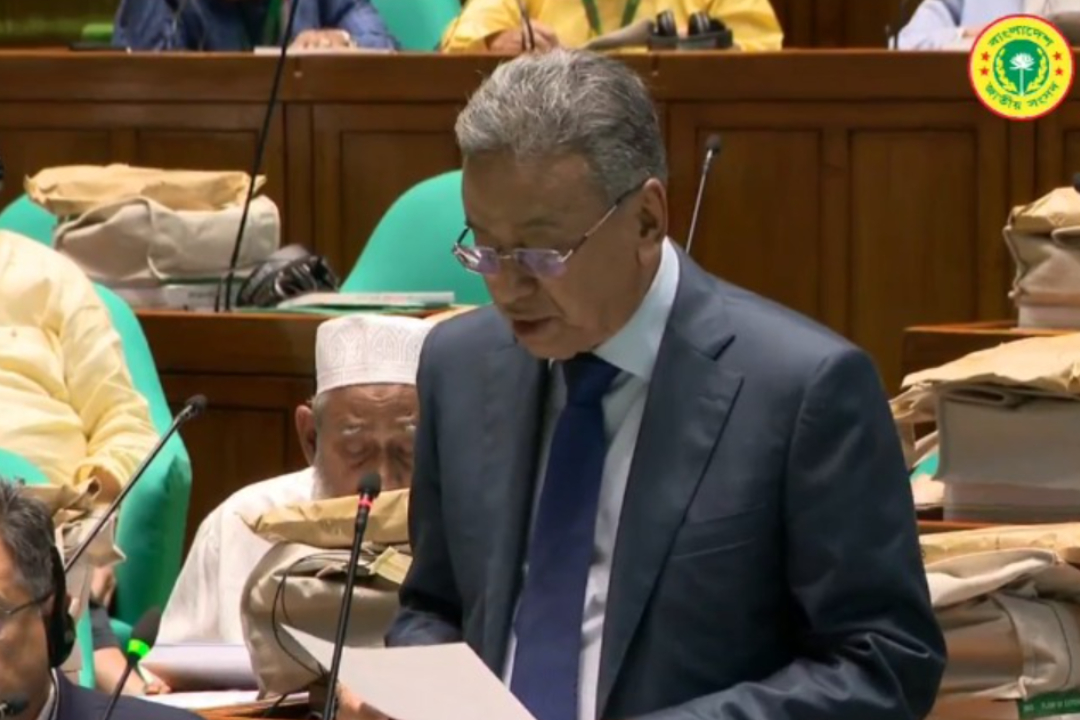
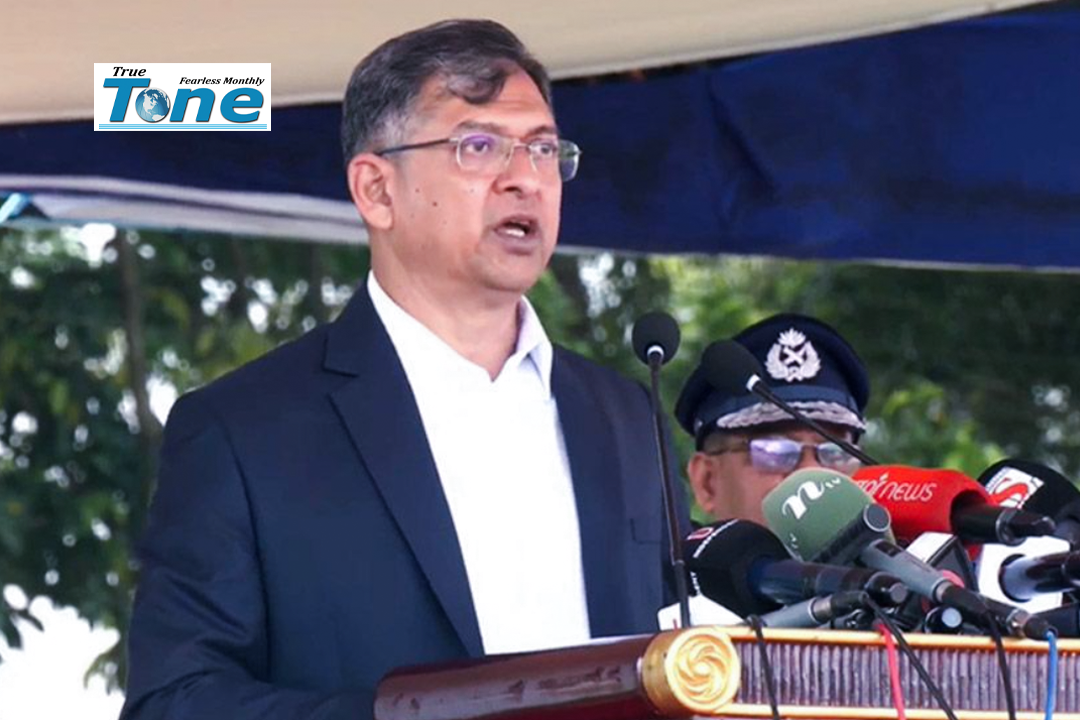
Finance Minister Amir Khosru Mahmud Chowdhury on Thursday placed a record Tk 9.38 lakh crore national budget in the Jatiya Sangsad for the 2026-27 fiscal year, outlining the newly elected government’s economic strategy aimed at accelerating growth, creating jobs and steering Bangladesh towards its ambition of becoming a trillion-dollar economy.
The proposed budget, the largest in the country’s history, was presented after the second session of the 13th parliament resumed at 3:00 pm, with Speaker Hafiz Uddin Ahmad, Bir Bikram, presiding over the House.
The FY27 budget is the first to be presented by the BNP-led government following its landslide victory in the parliamentary elections held on February 12 this year. The last BNP administration to unveil a national budget did so for the 2006-07 fiscal year under the late Finance Minister M. Saifur Rahman.
According to the budget documents, the total expenditure outlay has been estimated at Tk 9.38 lakh crore, reflecting the government’s commitment to economic recovery, investment promotion, human resource development and improved public service delivery.
To finance the expenditure, the government has projected domestic revenue mobilisation of approximately Tk 6.95 lakh crore. The overall budget deficit has been estimated at Tk 2.43 lakh crore, equivalent to 3.6 percent of the country’s Gross Domestic Product (GDP).
The government has set a GDP growth target of 6.5 percent for FY27, while aiming to bring inflation down to 7.5 percent. The projected size of the economy has been estimated at Tk 68.30 lakh crore.
In his budget speech, the finance minister highlighted education, healthcare, employment generation, social protection and private sector-led investment as key priorities. He reiterated the government’s commitment to building a knowledge-based economy and expanding opportunities for the country’s growing youth population.
“Our development strategy places people at the centre of economic progress,” the minister said, stressing the importance of investing in human capital to ensure sustainable growth and long-term competitiveness.
The proposed budget also includes a series of reforms aimed at improving the business environment. These measures include simplifying licensing procedures, modernising tax administration and expanding digital public services to enhance the ease of doing business and attract both domestic and foreign investment.
Officials involved in drafting the budget said the FY27 financial plan has been formulated in line with the government’s electoral commitments and long-term development vision. Alongside maintaining macroeconomic stability, the budget seeks to encourage entrepreneurship, strengthen institutional capacity and promote inclusive economic growth.
The proposed budget will now be placed before parliament for discussion and scrutiny before its expected passage later this month. Once approved, the FY27 budget will take effect from July 1, 2026.
As Bangladesh faces domestic economic challenges amid an evolving global landscape, the newly elected government’s first budget is expected to serve as an important indicator of its policy direction and development priorities in the years ahead.












Md.Shahidur Rahman Tepa
Publisher & Editor
Mrs. Naznin Sultana - Associate Editor
Dr. Sariful Hoque Priom - Assistant Editor
Head Office: Tepa Complex 169/A, SS Nazrul Islam Sarani, Purana Paltan, Dhaka-1000, News and Commercial Office: 48 Bijoy Nagar (3rd Floor) Dhaka-1000,
E-mail: monthlytruetone@gmail.com
Leave a Reply