

US-Iran peace deal signals end to months of Middle East conflict
- Update Time : Monday, June 15, 2026
- 65 Time View
Naznin Sultana
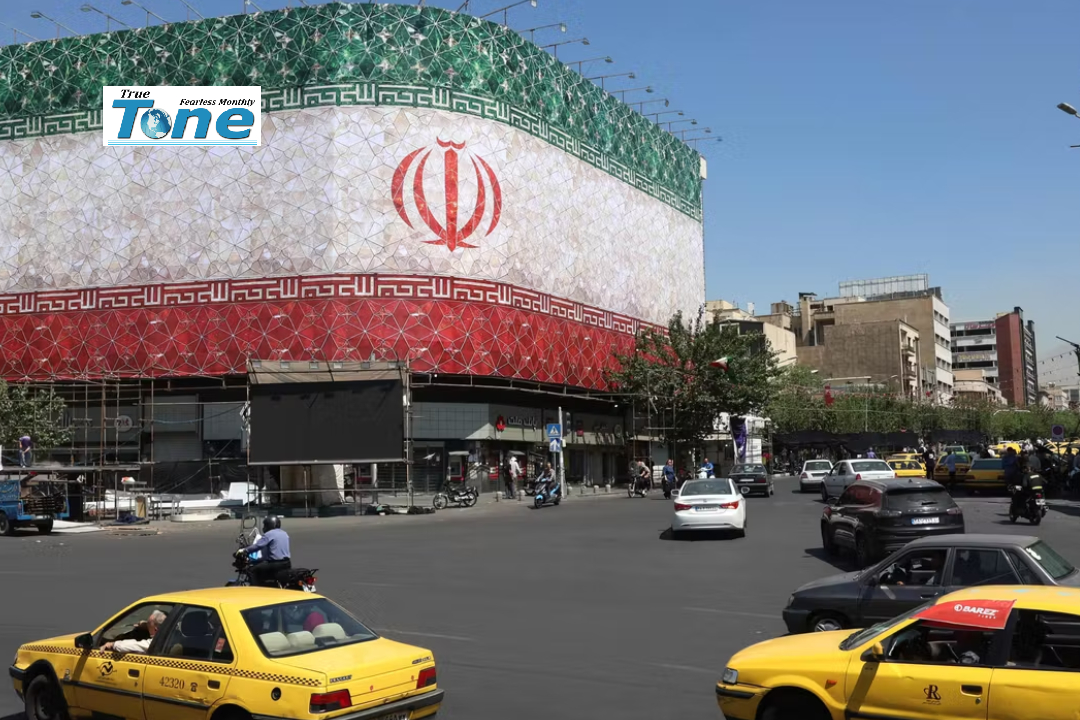
The United States and Iran have agreed to a sweeping peace accord aimed at ending more than three months of military confrontation across the Middle East, with both governments confirming an “immediate and permanent” cessation of hostilities on all fronts, including the parallel conflict in Lebanon.
The breakthrough, announced after weeks of tense negotiations and international mediation efforts, marks one of the most significant diplomatic developments in the region in recent years. An official signing ceremony for the agreement is scheduled to take place on June 19 in Geneva, Switzerland.
The initial announcement came from Pakistani Prime Minister Shehbaz Sharif, whose government played a central role in facilitating talks between Washington and Tehran. Sharif said both parties had committed to halting military operations immediately and permanently.
“Both sides have declared the immediate and permanent termination of military operations on all fronts, including in Lebanon,” Sharif stated. He also thanked the leaders of Qatar, Saudi Arabia and Turkey for supporting the mediation process that ultimately led to the agreement.
Shortly afterward, the White House and Iranian officials publicly confirmed the deal.
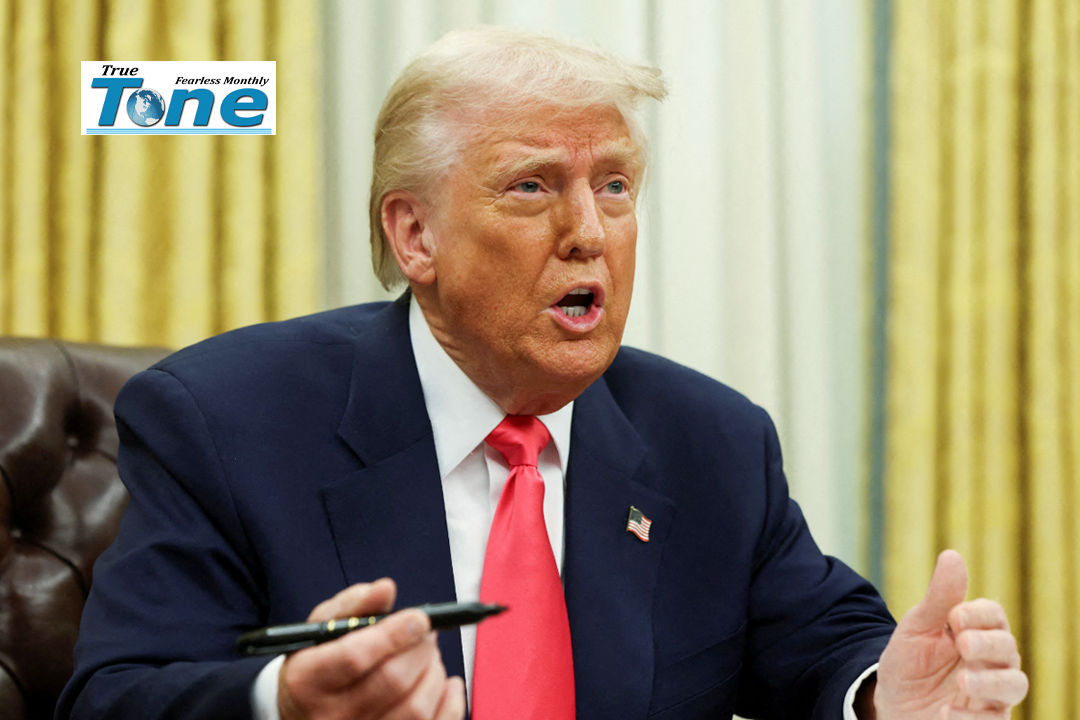
US President Donald Trump described the agreement as complete in a message posted on social media as he celebrated his 80th birthday.
“The Deal with the Islamic Republic of Iran is now complete,” Trump wrote. “I hereby fully authorize the toll free opening of the Strait of Hormuz, and, simultaneously herewith, authorize the immediate removal of the United States Naval blockade. Ships of the World, start your engines. Let the oil flow!”
Iran also moved quickly to endorse the announcement. Deputy Foreign Minister Kazem Gharibabadi said the agreement had brought an “immediate end” to the conflict between the two countries. He added that formal negotiations aimed at reaching a broader and more comprehensive settlement would begin within two months.
The announcement represented a dramatic shift from the heightened tensions seen only hours earlier. Iranian officials had threatened retaliation following an Israeli strike targeting Hezbollah positions in the suburbs of Beirut, an incident that risked undermining the fragile diplomatic progress.
Despite the celebrations surrounding the ceasefire announcement, many of the details contained in the agreement remain unclear.
Iranian media outlets reported that the understanding between the two nations includes provisions related to frozen Iranian assets held abroad. According to the Mehr news agency, the United States is expected to release an initial $12 billion in Iranian assets before formal negotiations begin.
The report cited a 14-point memorandum of understanding that allegedly provides for the release of a total of $24 billion in frozen Iranian funds during a 60-day negotiation period following the signing of the agreement.
However, US officials have yet to publicly confirm those specific terms. Questions also remain regarding several sensitive issues that have long complicated relations between Washington and Tehran, including Iran’s nuclear program and its stockpile of highly enriched uranium.
The international community welcomed news of the agreement with cautious optimism.
United Nations Secretary-General Antonio Guterres described the accord as a “critical step” toward ending one of the region’s most dangerous conflicts.
Meanwhile, the United Kingdom, France, Germany and Italy issued a joint statement expressing readiness to ease sanctions imposed on Iran while working alongside regional and international partners to support a lasting diplomatic solution.
“We will work with the United States, Iran and regional partners to seize this moment, maintain momentum and achieve a long-term diplomatic settlement,” the statement said.
Financial markets also reacted positively to the apparent breakthrough. Oil prices dropped sharply during Asian trading, falling more than four percent in Tokyo, while Japan’s benchmark Nikkei index rose approximately three percent.
The reopening of the Strait of Hormuz is viewed as a particularly significant aspect of the agreement. The strategic waterway, through which a substantial portion of the world’s oil and liquefied natural gas supplies pass, has been at the center of the crisis.
Disruptions to shipping in the strait had contributed to rising energy costs, inflationary pressures and supply chain challenges affecting economies far beyond the Middle East.
US Vice President JD Vance said the restoration of maritime traffic could have lasting economic benefits.
“What we’re going to be able to do is drive down the cost of energy, not just now but for the long term, and create a real engine of prosperity in the Middle East,” Vance said during an interview with Fox News.
He added that he plans to attend the Geneva signing ceremony and indicated that President Trump may also participate.
The conflict that led to the agreement began in late February, when coordinated US-Israeli strikes targeted sites inside Iran. Tehran responded with attacks against Israel and American allies in the region, while also restricting maritime movement through the Strait of Hormuz. The United States later imposed a naval blockade affecting Iranian ports.
Throughout the negotiations, both sides released competing narratives regarding the terms of the emerging deal, each seeking to portray itself as having negotiated from a position of strength.
Whether the newly announced agreement evolves into a durable peace settlement remains uncertain. Nevertheless, the planned signing ceremony in Switzerland now represents a rare opportunity to transform a period of escalating confrontation into the foundation for broader regional stability.
For a region exhausted by months of warfare and global markets shaken by uncertainty, the coming days may determine whether this diplomatic breakthrough marks the beginning of a new chapter or merely a temporary pause in a deeply entrenched conflict.






Md.Shahidur Rahman Tepa
Publisher & Editor
Mrs. Naznin Sultana - Associate Editor
Dr. Sariful Hoque Priom - Assistant Editor
Head Office: Tepa Complex 169/A, SS Nazrul Islam Sarani, Purana Paltan, Dhaka-1000, News and Commercial Office: 48 Bijoy Nagar (3rd Floor) Dhaka-1000,
E-mail: monthlytruetone@gmail.com
Leave a Reply