

Samsung’s last-minute labor deal averts global AI chip supply shock
- Update Time : Thursday, May 21, 2026
- 112 Time View
Dr. Shariful Haque Priom
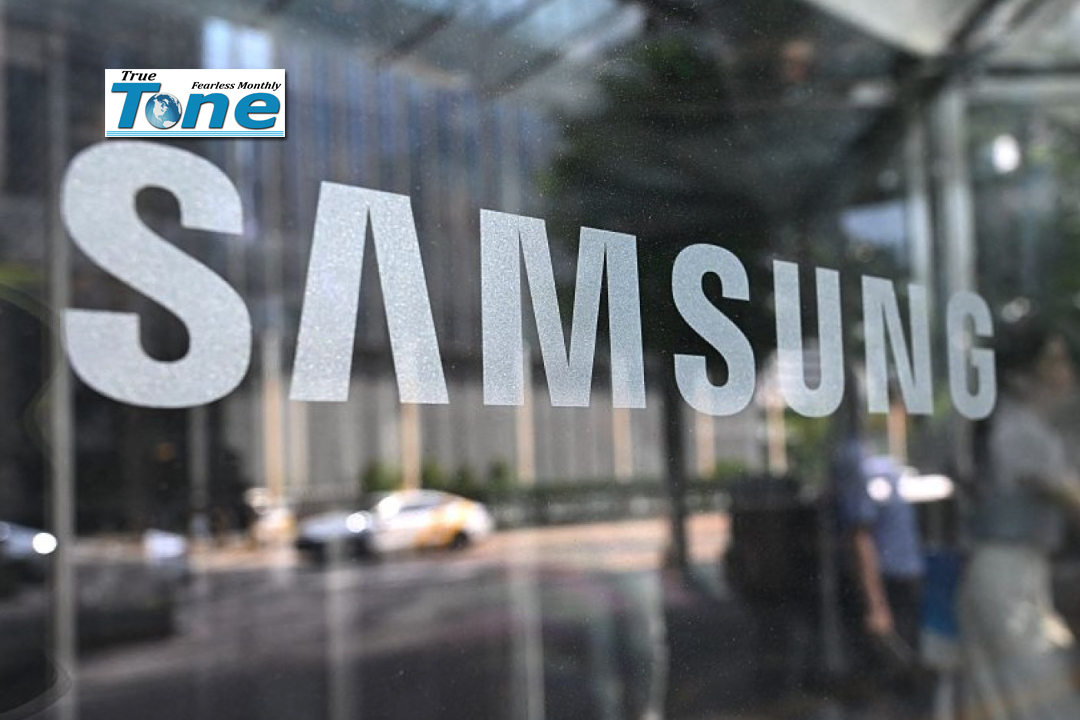
Samsung Electronics has narrowly avoided a labor crisis that threatened to send shockwaves through the global semiconductor industry, reaching a tentative wage agreement with its largest labor union just hours before a planned 18-day strike was set to begin. The last-minute deal temporarily eases concerns over disruptions to the global supply of memory chips, a critical component powering artificial intelligence systems, data centers, smartphones, and countless consumer electronics.
The agreement, reached through government-mediated negotiations, postpones a strike involving approximately 48,000 workers while union members vote on the proposal between May 22 and May 27. Although the immediate threat of industrial action has been deferred, the dispute has highlighted growing tensions over how the benefits of the AI-driven technology boom should be distributed between corporations and employees.
The near-crisis underscores Samsung’s central role in the global technology ecosystem and demonstrates how labor disputes at a single company can have far-reaching consequences for industries and economies around the world.
At the heart of the confrontation was a disagreement over employee compensation amid soaring profits generated by the rapidly expanding artificial intelligence sector.
As demand for advanced computing power continues to accelerate, memory chips have become one of the most important components in modern technology infrastructure. Samsung, the world’s largest memory-chip manufacturer, has benefited significantly from this surge, particularly as cloud service providers and AI developers race to expand data-center capacity.
Workers represented by Samsung’s largest union argued that employees should receive a larger share of the company’s gains. Union leaders demanded that 15 percent of Samsung’s annual operating profit be allocated to employee bonuses and called for the removal of limits on wage-related incentive payments.
After intense negotiations, both sides reportedly agreed on a revised compensation framework that would provide semiconductor workers with a bonus pool equivalent to 10.5 percent of operating profits. While the figure falls short of the union’s original demand, it represents a significant concession from management and appears sufficient, at least temporarily, to suspend planned strike action.
The compromise reflects the growing influence of organized labor within South Korea’s technology sector, where employees are increasingly seeking greater participation in the financial rewards generated by high-growth industries such as artificial intelligence and advanced semiconductors.
The dispute attracted international attention because Samsung occupies an exceptionally important position within global semiconductor supply chains.
Industry analysts estimate that Samsung controls approximately 36 percent of the worldwide DRAM memory market and 28 percent of the NAND flash memory market. These technologies form the backbone of modern computing devices and digital infrastructure.
DRAM, or Dynamic Random Access Memory, is essential for high-performance computing applications, including AI training systems, cloud servers, gaming platforms, and enterprise data centers. NAND flash memory, meanwhile, provides long-term storage for smartphones, solid-state drives, laptops, and numerous other electronic devices.
Few companies possess the manufacturing capacity, technical expertise, and global reach necessary to replace Samsung’s production volumes on short notice. As a result, even a temporary disruption at the company’s facilities can create ripple effects throughout international technology markets.
The planned 18-day strike raised fears that production interruptions could worsen already tight market conditions. Global demand for advanced memory chips has surged dramatically over the past two years as artificial intelligence applications become increasingly integrated into business operations and consumer products.
Major technology companies are investing billions of dollars in AI infrastructure, generating unprecedented demand for memory-intensive computing systems. The resulting pressure has already contributed to higher chip prices and constrained supply in several segments of the semiconductor market.
Against this backdrop, analysts warned that a prolonged strike could have significantly reduced global memory-chip availability.
Industry forecasts suggested that an 18-day walkout could disrupt roughly 4 percent of global DRAM production and approximately 3 percent of worldwide NAND flash supply.
While those percentages may appear relatively modest, semiconductor markets often operate with limited excess capacity. Even small supply reductions can lead to substantial price increases, delivery delays, and production bottlenecks across downstream industries.
Artificial intelligence development would likely have been among the sectors most heavily affected. Modern AI models require enormous quantities of high-bandwidth memory to process vast datasets and perform complex computations. Any reduction in memory-chip availability could slow the deployment of new AI infrastructure and increase costs for technology firms expanding their data-center operations.
Cloud computing providers, enterprise software companies, and AI startups all rely on consistent semiconductor supplies to maintain growth plans. Delays in memory-chip deliveries can postpone server deployments, extend project timelines, and increase operational expenses.
Consumer electronics manufacturers also faced potential challenges. Smartphones, laptops, gaming consoles, and storage devices all depend heavily on DRAM and NAND components. A sustained disruption at Samsung could have forced manufacturers to seek alternative suppliers, absorb higher costs, or reduce production volumes.
The global nature of semiconductor supply chains means that disruptions in South Korea can quickly affect factories and consumers across North America, Europe, China, Southeast Asia, and other regions.
Beyond its implications for technology markets, the labor dispute carried significant consequences for South Korea’s broader economy.
Samsung is widely regarded as the cornerstone of the country’s industrial and export sectors. The company contributes substantially to South Korea’s economic output, employment, investment activity, and international trade performance.
Because of Samsung’s enormous economic footprint, analysts warned that a lengthy strike could have generated losses approaching 1 trillion won-approximately $660 million-per day. Such financial damage would not only affect corporate earnings but could also influence investor sentiment and financial markets.
Some estimates suggested that an extended work stoppage might reduce South Korea’s annual economic growth rate by as much as 0.5 percentage points. For a developed economy facing global uncertainty and slowing trade growth, such a decline would represent a meaningful setback.
The government’s involvement in mediating negotiations reflects the national importance of maintaining stability within strategic industries. South Korea has invested heavily in preserving its leadership position in semiconductors, which remain one of the country’s most valuable export categories.
Preventing a disruption at Samsung therefore became not merely a corporate concern but a matter of broader economic security.
Although the tentative agreement has delayed the strike, uncertainty has not entirely disappeared.
Union members must still vote on the proposed settlement, and labor leaders have emphasized that industrial action has been postponed rather than permanently canceled. If workers reject the agreement, negotiations could resume and the possibility of future strikes may re-emerge.
The episode nevertheless provides a reminder of the delicate balance between labor relations, corporate profitability, and global supply-chain stability in the AI era.
As artificial intelligence drives record demand for advanced semiconductors, the economic value generated by technology companies is rising rapidly. Workers increasingly expect to share in those gains, while corporations seek to maintain competitiveness in a highly capital-intensive industry.
For now, Samsung’s last-minute deal has prevented what could have become one of the most significant labor disruptions in the history of the semiconductor sector. Global technology markets can breathe a temporary sigh of relief, but the underlying questions surrounding wages, profit-sharing, and labor rights in the age of artificial intelligence remain unresolved.
The outcome of the upcoming union vote will determine whether this agreement marks the beginning of a lasting compromise or merely a pause in a dispute with potentially global consequences.















Md.Shahidur Rahman Tepa
Publisher & Editor
Mrs. Naznin Sultana - Associate Editor
Dr. Sariful Hoque Priom - Assistant Editor
Head Office: Tepa Complex 169/A, SS Nazrul Islam Sarani, Purana Paltan, Dhaka-1000, News and Commercial Office: 48 Bijoy Nagar (3rd Floor) Dhaka-1000,
E-mail: monthlytruetone@gmail.com
Leave a Reply