

Iran’s Supreme Leader Khamenei vows no surrender as Iran fires hypersonic missiles
- Update Time : Thursday, June 19, 2025
- 7 Time View
International Desk
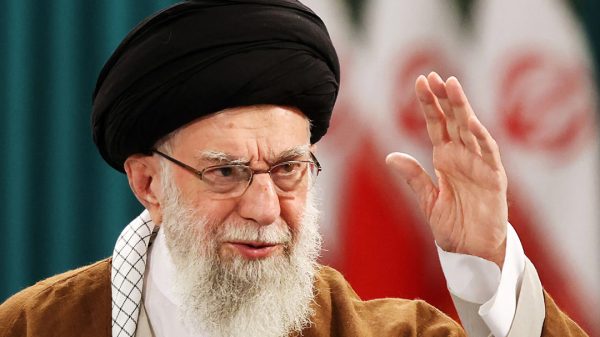
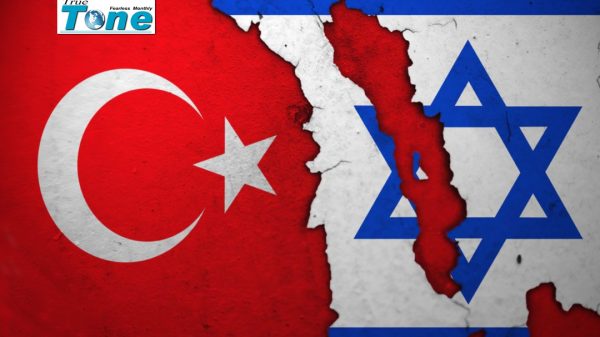
Iran’s Supreme Leader Ayatollah Ali Khamenei vowed on June 18, that his country would “never surrender,” as Iranian forces launched a new wave of hypersonic missile strikes against Israel on the sixth day of a rapidly escalating war between the longtime adversaries. The military escalation came just hours after Israel claimed to have destroyed Iran’s internal security headquarters in Tehran and launched additional strikes targeting missile facilities in western Iran.
The intensification of hostilities signals a sharp deterioration in Middle Eastern stability, raising the specter of broader regional conflict. Khamenei’s televised address was defiant in tone, warning the United States against taking any military steps in support of Israel following increasingly aggressive rhetoric from President Donald Trump.
“This nation will never surrender,” Khamenei declared. “America should know that any military intervention will undoubtedly result in irreparable damage.”
Iranian state television reported the launch of the Fattah hypersonic missiles, which can travel at speeds exceeding Mach 5 and are designed to evade modern air defense systems. The Islamic Revolutionary Guard Corps (IRGC) also announced it had deployed “super-heavy, long-range missiles” aimed at strategic Israeli targets.
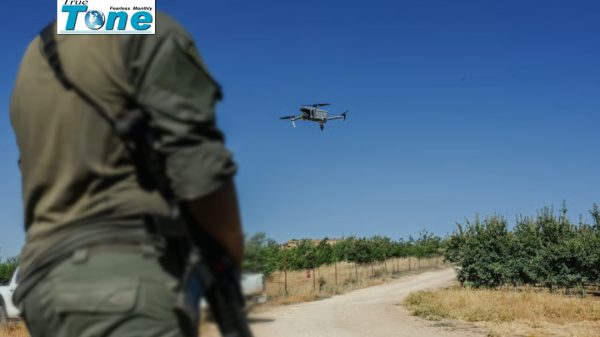
According to an anonymous Israeli military official, Iran has launched approximately 400 ballistic missiles and over 1,000 drones since the conflict erupted on June 13. While most were intercepted, at least 20 missiles reportedly struck civilian areas across Israel, causing deaths and injuries.
Powerful explosions were reported in Tehran on June 18 evening, corroborated by AFP journalists on the ground. Israel’s Defense Minister Israel Katz claimed the Israeli Air Force had carried out a precision strike on Iran’s internal security headquarters. “We are dismantling the infrastructure of terror,” Katz said.
Amid the bombardments, a London-based internet watchdog reported a “near-total national internet blackout” in Iran, signaling Tehran’s move to tighten information control as it braces for further military and political fallout. The Fars News Agency confirmed that heavier internet restrictions had been imposed, a step first taken during the early stages of Israel’s air campaign last week.
The war has already taken a severe toll on Iranian civilians. Widespread shortages of basic necessities such as fuel, rice, bread, and tea have been reported. At the Bashmakh border crossing with Iraq, Iranian drivers described long lines at petrol stations, with some waiting for hours to refuel.
“People are shocked and distraught, they don’t know what they should do,” said a car dealer in the western city of Bukan, speaking anonymously out of fear for his safety.
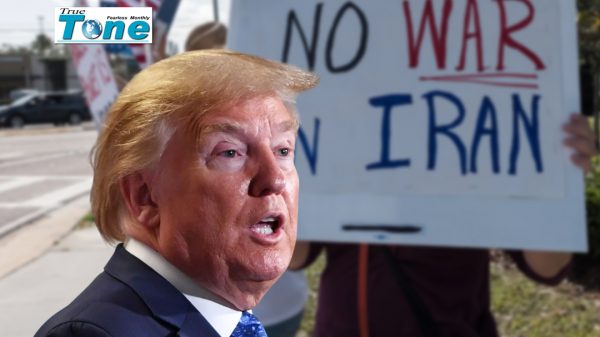
US President Donald Trump, who remains an influential political figure ahead of the 2024 US elections, has further inflamed tensions by calling for Iran’s “unconditional surrender.” Speaking to reporters on June 18, Trump said his patience with Tehran had “run out” but left the door open to possible negotiations.
In a controversial remark, Trump hinted at a potential decapitation strike, saying the US “could assassinate Khamenei, but would not do so—at least not for now.” His rhetoric drew strong condemnation from Iranian officials, who interpreted the remarks as a direct threat to the nation’s sovereignty and leadership.
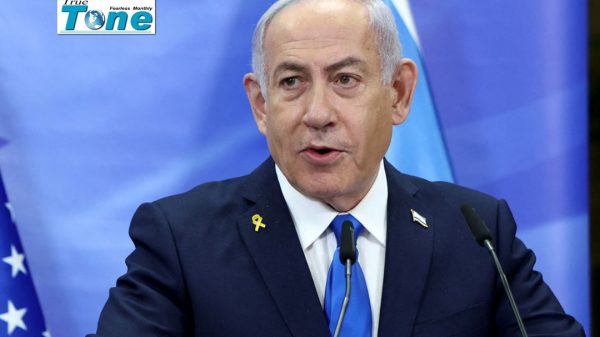
Israeli Prime Minister Benjamin Netanyahu thanked Trump for his vocal support, calling him “a great friend of Israel” during a televised statement in which he also acknowledged “painful losses” suffered by Israeli forces and civilians alike.
According to Netanyahu’s office, at least 24 people have been killed and hundreds injured in Israel since the start of hostilities. Iran, in turn, reported that Israeli airstrikes have killed at least 224 people, including IRGC commanders, nuclear scientists, and civilians.
In one of the most consequential developments of the week, the International Atomic Energy Agency (IAEA) confirmed that Israeli strikes targeted key components of Iran’s nuclear infrastructure. Two buildings producing centrifuge components in the city of Karaj were reportedly destroyed, while another facility in Tehran—responsible for advanced centrifuge rotor production—was also hit.
These centrifuges are essential for enriching uranium, a process that can be used to fuel nuclear reactors or, in advanced forms, produce weapons-grade material. Israel has long accused Iran of covertly developing nuclear weapons, a charge Tehran denies. Despite international concerns, Israel has maintained strategic ambiguity over its own nuclear arsenal, which SIPRI estimates includes around 90 nuclear warheads.
In a post on X (formerly Twitter), Iranian Foreign Minister Abbas Araghchi reiterated Iran’s stance that it remains open to diplomacy. “Iran has so far only retaliated against the Israeli regime and not those who are aiding and abetting it,” Araghchi wrote, hinting that countries assisting Israel could face future consequences.
Meanwhile, Russian President Vladimir Putin offered a glimmer of diplomatic hope, stating that a deal was still possible—one that would secure Israel’s safety while allowing Iran to pursue a civilian nuclear program.
“I believe it would be good for all of us together to look for ways to stop the fighting,” Putin said in a televised Q&A session with international journalists. He added that Iran had not requested Russian military assistance, further complicating assumptions about Tehran’s potential alliances in the conflict.
As the war drags into its second week, the risk of wider escalation remains dangerously high. With missile salvos, cyber restrictions, and global rhetoric escalating in tandem, the conflict between Iran and Israel has now drawn in powerful actors from across the geopolitical spectrum.
Khamenei’s refusal to capitulate, Trump’s provocative threats, and the mounting death toll all signal a volatile and unpredictable chapter ahead—one with grave implications not only for the Middle East but for international stability. Whether diplomacy can still prevail over destruction remains an open question.
Md.Shahidur Rahman Tepa
Publisher & Editor
Mrs. Naznin Sultana - Associate Editor
Dr. Sariful Hoque Priom - Assistant Editor
Head Office: Tepa Complex 169/A, SS Nazrul Islam Sarani, Purana Paltan, Dhaka-1000, News and Commercial Office: 48 Bijoy Nagar (3rd Floor) Dhaka-1000,
E-mail: monthlytruetone@gmail.com
Leave a Reply