International Desk
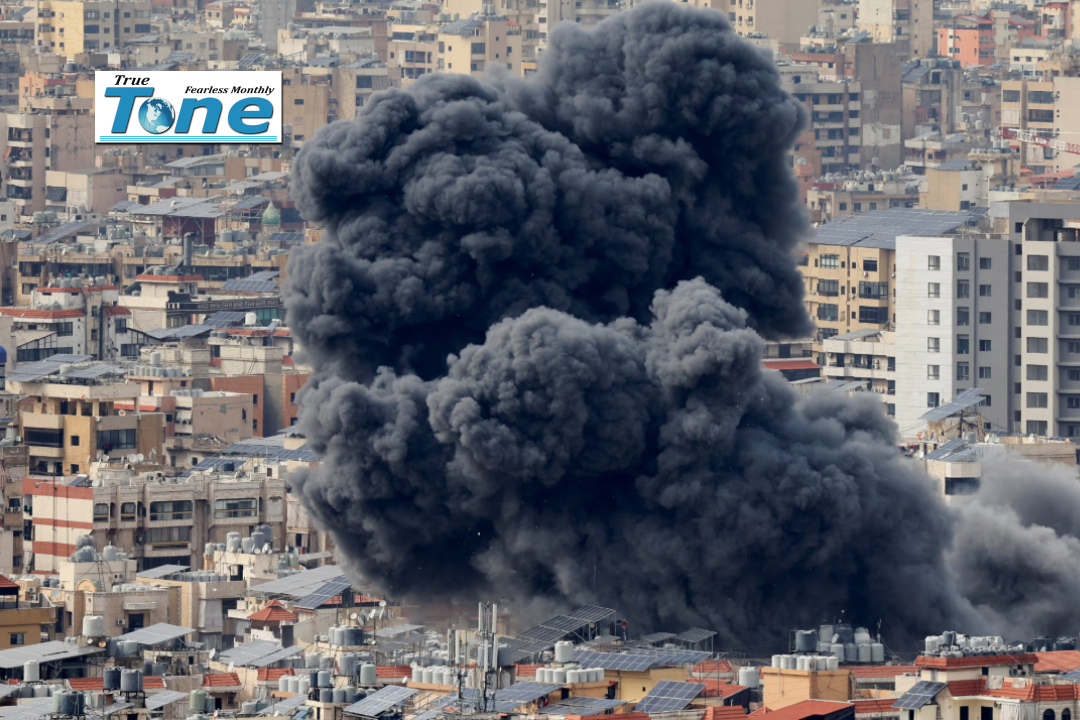
Fresh Israeli airstrikes struck southern Lebanon on June 4, only hours after Israel and Lebanon announced a new conditional ceasefire agreement following US-mediated negotiations in Washington. The renewed violence has raised serious concerns about the durability of the latest diplomatic effort to end months of deadly cross-border conflict.
According to Lebanon’s state-run National News Agency (NNA), Israeli drones carried out strikes on several roads and locations across southern Lebanon. At least one of the attacks reportedly caused casualties, although officials have not yet released a final toll. The strikes came shortly after both countries publicly endorsed a ceasefire framework designed to reduce hostilities and restore stability along the border.
Earlier on June 4, the Israeli military reported that air raid sirens had sounded in northern Israel. One alert was triggered by what authorities described as a “suspicious aerial target,” while another was later determined to be a false alarm. These incidents highlighted the continued tension between the two sides despite ongoing diplomatic efforts.
The ceasefire agreement was reached during a fourth round of talks led by the United States in Washington. In a joint statement, Israel and Lebanon said the arrangement would depend on a “complete cessation” of attacks by the Iran-backed Hezbollah movement. The agreement also includes the establishment of pilot security zones in southern Lebanon where the Lebanese Armed Forces would assume exclusive control, preventing the presence of non-state armed groups.
Despite international support for the initiative, the agreement immediately faced criticism from some Israeli political figures. Israeli National Security Minister Itamar Ben Gvir described the deal as a “serious mistake,” reflecting divisions within Israel over how to address the ongoing security threat posed by Hezbollah.
Before the ceasefire announcement was made public, Hezbollah claimed responsibility for several attacks against Israeli forces. The group said it launched a barrage of rockets targeting Israeli soldiers and military vehicles near Qantara in southern Lebanon. It also reported conducting drone strikes against Israeli troops positioned near the strategically important Beaufort Castle area.
The latest agreement follows a previous ceasefire that was scheduled to take effect on April 17. That truce largely failed, with both Israel and Hezbollah accusing each other of repeated violations and continuing military operations. As a result, violence persisted across the border, causing significant human and material losses.
Lebanese authorities say Israeli military operations have killed more than 3,500 people since Hezbollah entered the broader regional conflict on March 2. The group initially launched rocket attacks against Israel in response to US-Israeli military actions that reportedly resulted in the death of Iran’s supreme leader. Meanwhile, the World Health Organization reported last week that more than 600 people have been killed in Lebanon since the failed April ceasefire.
Adding to the uncertainty surrounding the new agreement, senior Hezbollah official Mahmud Qomati recently stated that the group would “not accept a partial ceasefire.” His comments suggest that significant obstacles remain before a lasting peace can be achieved.
As international mediators continue efforts to de-escalate the conflict, the renewed Israeli strikes demonstrate how fragile the situation remains. Whether the latest ceasefire can survive ongoing military exchanges and political opposition on both sides will likely determine the next phase of the conflict and its impact on regional stability.