

World Bank approves $640 million for Bangladesh gas supply and clean air initiatives
- Update Time : Thursday, June 19, 2025
- 7 Time View
News Desk
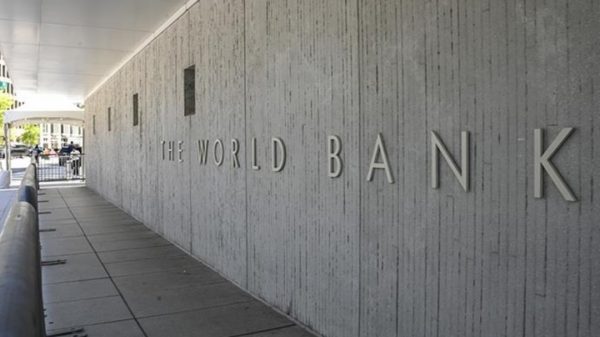
In a major development aimed at bolstering Bangladesh’s energy security and environmental resilience, the World Bank has approved two landmark projects worth a total of $640 million. These initiatives are set to enhance the country’s gas supply infrastructure and address the chronic issue of urban air pollution, particularly in Dhaka, one of the world’s most polluted cities.
Announced by the World Bank’s Board of Executive Directors, the two projects — the Energy Sector Security Enhancement Project and the Bangladesh Clean Air Project — underscore the international financial institution’s long-standing support for Bangladesh’s sustainable development goals.
“Enhancing energy security and air quality are critical economic and development priorities for Bangladesh,” said Gayle Martin, World Bank Interim Country Director for Bangladesh. “By addressing the root causes of gas supply constraints and urban air pollution, these two projects will help Bangladesh boost economic growth, improve productivity, and create jobs.”
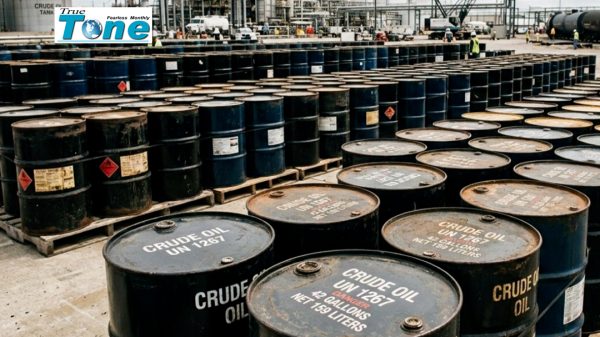
The Energy Sector Security Enhancement Project, backed by a $350 million allocation, aims to improve the security and affordability of gas supply in Bangladesh. The initiative focuses on facilitating access to cost-effective financing for Petrobangla, the state-owned oil and gas company, by leveraging an International Development Association (IDA) guarantee to attract private capital.
The World Bank’s press release revealed that this guarantee is expected to mobilize as much as $2.1 billion in private capital over the next seven years to support the importation of Liquefied Natural Gas (LNG). Given that imported LNG currently accounts for over 25% of the country’s total gas consumption — and 42% of it is used in the power sector — securing long-term contracts is crucial to avoid reliance on the more volatile and expensive spot market.
“The project will provide payment security and working capital solutions to facilitate LNG imports under long-term contracts, thereby reducing dependency on expensive spot market gas imports,” explained Olayinka Bisiriyu Edebiri, World Bank Senior Energy Specialist and Task Team Leader for the program. “By ensuring reliable gas supply, the project will help boost economic growth and resilience.”
The enhanced creditworthiness of Petrobangla under this framework is expected to stabilize the country’s gas supply network and ensure consistent electricity availability, which is vital for both industrial output and household consumption.
The second initiative, the Bangladesh Clean Air Project, involves a $290 million commitment to comprehensively tackle air pollution, particularly in Dhaka, where levels of fine particulate matter (PM2.5) exceed World Health Organization (WHO) guidelines by 18 times.
“This will be the first in a new series of projects to improve the country’s air quality,” said Ana Luisa Gomes Lima, World Bank Lead Environment Specialist and Task Team Leader. “As air travels across borders, no single country can contain air pollution on its own. The project will facilitate regional dialogue and data sharing for reducing air pollution.”
The Clean Air Project includes a series of wide-ranging interventions:
- Air Quality Monitoring: Strengthening the Department of Environment’s monitoring network through new and upgraded stations.
- Industrial Emissions Oversight: Implementing a Continuous Emissions Monitoring Program to ensure real-time supervision of polluting industrial sites, enabling stricter enforcement and transparency.
- Green Urban Transport: Introducing 400 zero-emission electric buses to replace outdated diesel-powered fleets. These buses will operate under a unified “single operator per franchise” model, enhancing both efficiency and service quality.
- Support Infrastructure: Construction of dedicated bus depots for charging, maintenance, and parking.
- Vehicle Emissions Management: Establishment of five new Vehicle Inspection Centers (VICs) and upgrade of two non-functioning ones, along with deployment of mobile VICs and emissions testing units.
These transport and industrial reforms are expected to reduce PM2.5 emissions by an estimated 2,734 metric tons annually, significantly improving urban air quality and public health.
The World Bank has been a pivotal development partner for Bangladesh since its independence in 1971. Over the decades, the institution has committed more than $45 billion in grants, zero-interest, and low-interest credits through its concessional arm, the IDA.
In recent years, Bangladesh has emerged as one of the largest global recipients of IDA financing, a trend that reflects the country’s ambitious development trajectory and the global community’s confidence in its economic stewardship.
These newly approved projects reinforce the World Bank’s role in supporting Bangladesh’s twin goals of sustainable economic growth and environmental protection, particularly as the country continues to urbanize and industrialize rapidly.
The gas supply and clean air initiatives are not only steps toward energy and environmental security but also signal a strategic alignment with Bangladesh’s broader vision for climate resilience, public health, and inclusive growth.
As implementation begins, stakeholders are watching closely to ensure that these projects deliver on their promise — to create a cleaner, more reliable, and economically robust Bangladesh.






Md.Shahidur Rahman Tepa
Publisher & Editor
Mrs. Naznin Sultana - Associate Editor
Dr. Sariful Hoque Priom - Assistant Editor
Head Office: Tepa Complex 169/A, SS Nazrul Islam Sarani, Purana Paltan, Dhaka-1000, News and Commercial Office: 48 Bijoy Nagar (3rd Floor) Dhaka-1000,
E-mail: monthlytruetone@gmail.com
Leave a Reply