

Israel-Iran conflict escalates: Airstrikes, retaliation, and global alarm
- Update Time : Friday, June 13, 2025
- 6 Time View

In a dramatic escalation of hostilities, Israel launched a series of devastating airstrikes against Iran on June 13, targeting nuclear facilities and military installations across the country. The attack, which Israeli Prime Minister Benjamin Netanyahu has vowed to continue “as many days as it takes,” has already resulted in the deaths of top Iranian military leaders and nuclear scientists, prompting fears that the region is teetering on the edge of a full-scale war.
The Israeli air campaign, reportedly initiated in the early hours of Friday-a day of religious observance in Iran-struck multiple sensitive locations. Chief among them was the underground nuclear facility at Natanz, a cornerstone of Iran’s nuclear enrichment efforts. Iranian state television reported that most damage occurred at the surface level, but the psychological impact was significant.
According to the International Atomic Energy Agency (IAEA), Iran confirmed that other major facilities at Fordow and Isfahan had not been struck in the initial wave. Nevertheless, several additional sites in Iran’s northwest, including missile production and storage areas, were reportedly hit.
The most consequential blow came with the deaths of key Iranian military figures. The commander of the Islamic Revolutionary Guard Corps (IRGC), Hossein Salami, and the armed forces chief of staff, Mohammad Bagheri, were killed in the strikes. In addition, aerospace commander Amirali Hajizadeh-who oversaw Iran’s ballistic missile program-was confirmed dead. The IRGC quickly appointed successors, while Supreme Leader Ayatollah Ali Khamenei publicly mourned the loss and vowed a firm response.
Iranian state media also reported that several nuclear scientists were killed and at least 95 people injured. Senior Khamenei adviser Ali Shamkhani was reportedly wounded in one of the attacks.
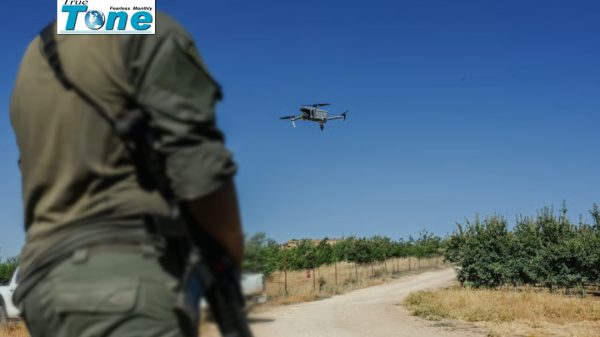
In retaliation, Iran launched a barrage of drones-about 100 in total-toward Israeli territory. According to the Israeli military, the majority of these drones were intercepted before reaching Israeli airspace. While the immediate impact of this retaliation was limited, military analysts warn that Iran’s real threat lies in its expansive missile arsenal, capable of hitting targets throughout the region.
Supreme Leader Khamenei issued a fiery statement, warning that Israel would face a “bitter and painful fate” for its actions. Foreign Minister Hossein Amir-Abdollahian declared the strikes “a declaration of war,” calling on the United Nations Security Council to intervene.
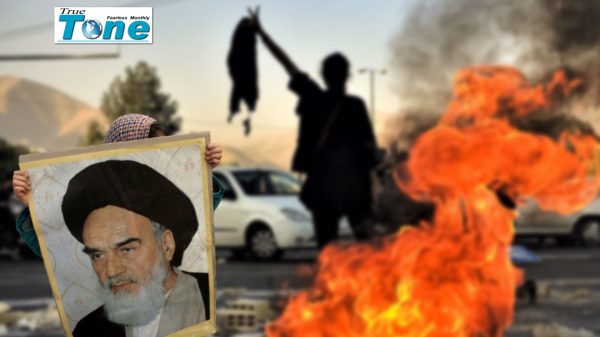
Amid fears of a broader escalation, Iran imposed internet restrictions nationwide, citing the need to maintain national security and promising to lift them once “normalcy” returns. Meanwhile, anti-Israel protests erupted in Tehran, and long queues formed at fuel stations as citizens braced for further instability.
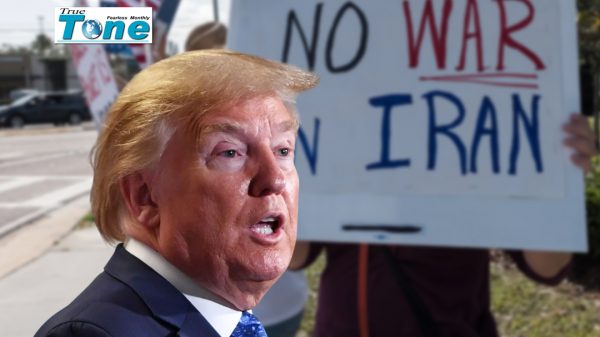
US President Donald Trump, who is again campaigning for re-election, confirmed that Israel had informed Washington in advance of the operation. However, he insisted the United States had no active role in the attacks. Nevertheless, Trump’s rhetoric left little room for ambiguity.
He warned Iran that the “next planned attacks” would be “even more brutal” and urged Tehran to abandon its nuclear ambitions “before there is nothing left.” Trump reiterated his longstanding position that Iran must never be allowed to develop nuclear weapons-a claim Tehran has consistently denied despite its high-level uranium enrichment program.
The conflict has already derailed scheduled diplomatic efforts. A round of US-Iran nuclear negotiations was set for Sunday in Oman, but officials have confirmed it is now postponed indefinitely.
Secretary of State Marco Rubio stated that while the US would not participate in offensive actions, it would “protect its forces and interests in the region” if targeted. US military personnel at various bases across the Middle East were reportedly placed on high alert earlier in the week, and non-essential staff had already been withdrawn from key sites.
The global response has been swift and somber. Leaders from France, Germany, and the UK scheduled urgent consultations to assess the situation. Many international observers fear that the conflict could easily spiral into a regional war, especially if Iran targets US assets or if Hezbollah or other Iranian-backed groups enter the fray.
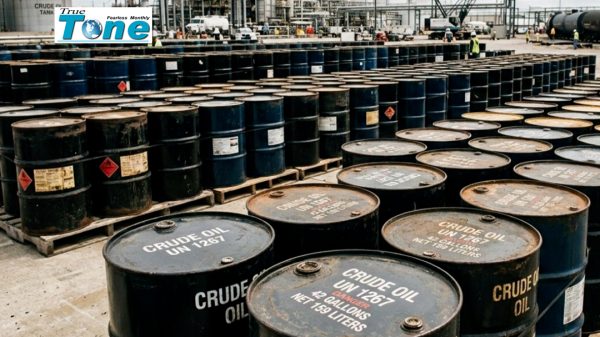
Oil markets responded immediately, with Brent crude prices spiking to over $75 per barrel amid fears of disrupted energy supplies. The Persian Gulf remains a critical artery for global oil shipments, and any military escalation risks choking vital maritime routes.
Several major airlines, including Emirates, Qatar Airways, Lufthansa, and Air France, canceled flights to the region, citing safety concerns. Syria closed its airspace as a precautionary measure, adding to logistical hurdles.
While Israeli officials remain resolute in their campaign, Iran’s reaction is still unfolding. What began as a targeted military strike has now become a highly volatile standoff with regional and potentially global consequences. The potential for miscalculation is enormous.
With diplomacy halted, rhetoric hardening, and military assets on high alert, the Middle East faces one of its most dangerous moments in years. Whether the conflict escalates or a fragile pause emerges will depend on choices made in the coming hours-not just in Jerusalem and Tehran, but also in Washington, Moscow, and Beijing. The world watches anxiously.





Md.Shahidur Rahman Tepa
Publisher & Editor
Mrs. Naznin Sultana - Associate Editor
Dr. Sariful Hoque Priom - Assistant Editor
Head Office: Tepa Complex 169/A, SS Nazrul Islam Sarani, Purana Paltan, Dhaka-1000, News and Commercial Office: 48 Bijoy Nagar (3rd Floor) Dhaka-1000,
E-mail: monthlytruetone@gmail.com
Leave a Reply