

India backs UN resolution condemning Iran’s Gulf attacks amid rising regional tensions
- Update Time : Thursday, March 12, 2026
- 40 Time View
Editorial Desk
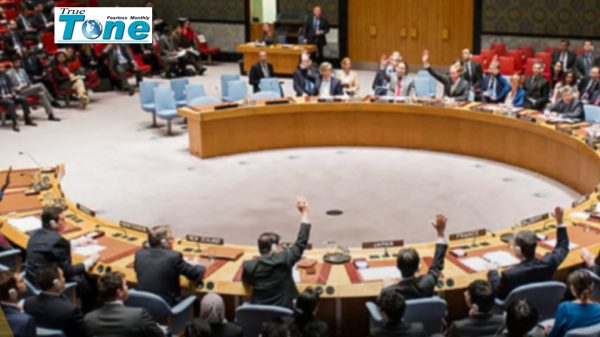
India has joined a large group of countries at the United Nations in supporting a resolution condemning Iran’s attacks on Gulf nations and threats to international shipping, highlighting growing concern over the escalating conflict in the Middle East and its impact on global trade and civilian safety.
The resolution was passed by the United Nations Security Council (UNSC) with a vote of 13–0. Two permanent members of the council — Russia and China — chose to abstain rather than vote in favor. The council is currently presided over by the United States, which has been closely involved in diplomatic efforts surrounding the crisis.
India’s decision to co-sponsor the resolution places it among 135 countries that backed the measure, including major Western powers such as the United Kingdom, Germany, Spain and Canada. The initiative was led by Bahrain and also received support from several Muslim-majority nations, including Pakistan, Egypt and members of the Gulf Cooperation Council.
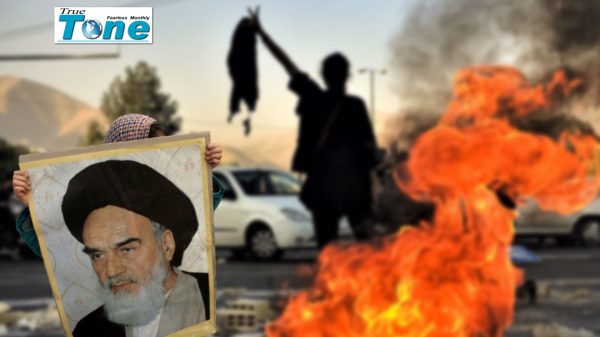
The resolution strongly criticizes what it describes as deliberate attacks by Iran on civilian targets across the Gulf region. According to the text, Iranian strikes have targeted airports, energy installations, infrastructure necessary for food production and distribution, and other essential civilian facilities.
It also condemned what the resolution called the indiscriminate use of weapons in populated areas and warned about the growing humanitarian consequences for civilian populations.
Another major focus of the resolution was the threat posed to commercial shipping in the Strait of Hormuz – one of the world’s most critical maritime trade routes. The narrow passage connects the Persian Gulf to the Gulf of Oman and is vital for the transportation of oil and other goods.
Attacks on merchant vessels and threats to maritime navigation have raised fears of disruptions to global energy supplies and international trade. The resolution warns that such actions not only endanger civilian seafarers but also undermine freedom of navigation, a key principle of international maritime law.
India’s decision to support the resolution also reflects growing concerns about the safety of its citizens working in maritime transport across the region. Indian nationals make up a significant portion of the global merchant shipping workforce, and many operate in waters surrounding the Persian Gulf.
According to India’s External Affairs Minister Subrahmanyam Jaishankar, at least two Indian mariners have been killed amid the conflict, while another remains missing.
Speaking in the Indian parliament on March 9, Jaishankar confirmed the casualties, highlighting the dangers faced by Indian seafarers operating in waters affected by the ongoing hostilities.
The situation has also affected a large number of Indian vessels. Reports from the Press Trust of India (PTI) indicate that at least 37 Indian-flagged ships carrying more than 1,100 seafarers are currently stranded in regional waters due to the closure of the Strait of Hormuz.
These ships are reportedly stuck in the Persian Gulf, the Gulf of Oman, and nearby maritime zones as tensions continue to escalate.
The crisis intensified after an attack on the bulk carrier Mayuree Naree, a Thai vessel that was en route to India when it came under attack while transiting the Strait of Hormuz. According to authorities, the incident prompted an emergency response from the Royal Navy of Oman.
Omani naval forces successfully rescued 20 crew members from the damaged vessel, preventing further loss of life.
Indian officials have repeatedly warned about the dangers posed by the growing number of attacks targeting commercial vessels. Foreign Ministry spokesman Randhir Jaiswal emphasized that the escalating conflict is putting innocent civilian crews at increasing risk.
“Precious lives, including those of Indian citizens, have already been lost in multiple such attacks in the earlier phase of this conflict, and the intensity and lethality of the attacks only seem to be increasing,” Jaiswal said in a statement on March 11.
India has reiterated that attacks on merchant shipping must stop and has called on all parties to avoid actions that could further endanger civilian mariners or disrupt global trade routes.
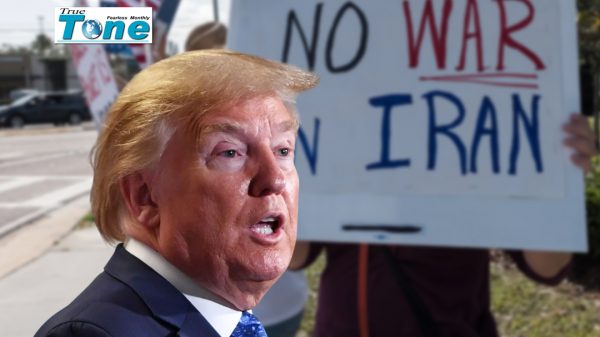
Despite supporting the UN resolution condemning Iran’s actions, India has largely avoided publicly criticizing the broader military campaign involving the United States and Israel against Iran.
In recent weeks, the conflict has expanded significantly, with airstrikes and retaliatory attacks taking place across multiple locations. Reports have also highlighted controversial incidents, including an attack on a school that reportedly killed more than 160 girls.
However, New Delhi has not issued direct condemnation of those incidents.
India’s cautious approach reflects its longstanding effort to maintain balanced relations across the Middle East. The country maintains strong economic and strategic partnerships with Gulf Arab states while also preserving diplomatic ties with Iran.
This balancing act is particularly important given India’s reliance on energy imports from the region and the presence of millions of Indian expatriate workers across Gulf countries.
Even as tensions rise, India has maintained diplomatic communication with Tehran. Since the outbreak of the current conflict, Jaishankar has held three conversations with his Iranian counterpart, Abbas Araghchi.
These discussions have focused on the safety of Indian citizens, the protection of shipping routes, and efforts to prevent further escalation in the region.
India has repeatedly called for restraint from all parties and has emphasized the need for dialogue to restore stability in the Gulf.
The situation in the Strait of Hormuz has become a major international concern. Nearly one-fifth of the world’s oil supply passes through the narrow waterway, making it one of the most strategically important maritime routes on the planet.
Any prolonged disruption could have severe consequences for global energy markets and international commerce.
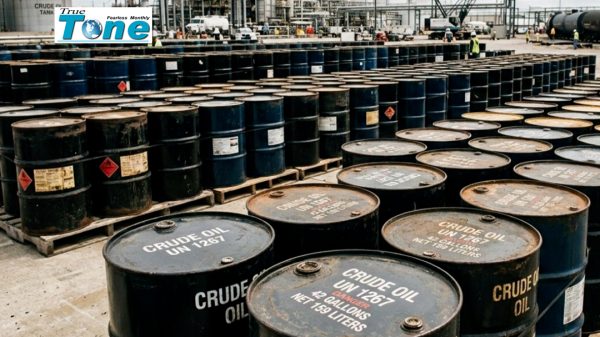
For India, the stakes are particularly high. The country depends heavily on crude oil imports from the Middle East, and disruptions to maritime routes could significantly affect energy supplies and shipping costs.
As the conflict continues, India appears to be pursuing a dual strategy: supporting international efforts to protect civilian shipping and condemn attacks on infrastructure, while maintaining diplomatic engagement with all sides in an effort to safeguard its national interests.
The passage of the UN resolution marks a significant moment in the international response to the crisis. However, with major powers such as Russia and China abstaining and the regional conflict still intensifying, the prospects for a swift resolution remain uncertain.





Md.Shahidur Rahman Tepa
Publisher & Editor
Mrs. Naznin Sultana - Associate Editor
Dr. Sariful Hoque Priom - Assistant Editor
Head Office: Tepa Complex 169/A, SS Nazrul Islam Sarani, Purana Paltan, Dhaka-1000, News and Commercial Office: 48 Bijoy Nagar (3rd Floor) Dhaka-1000,
E-mail: monthlytruetone@gmail.com
Leave a Reply