

Britain unveils long-term defence investment plan with major drone spending amid political transition
- Update Time : Tuesday, June 30, 2026
- 116 Time View
Naznin Sultana
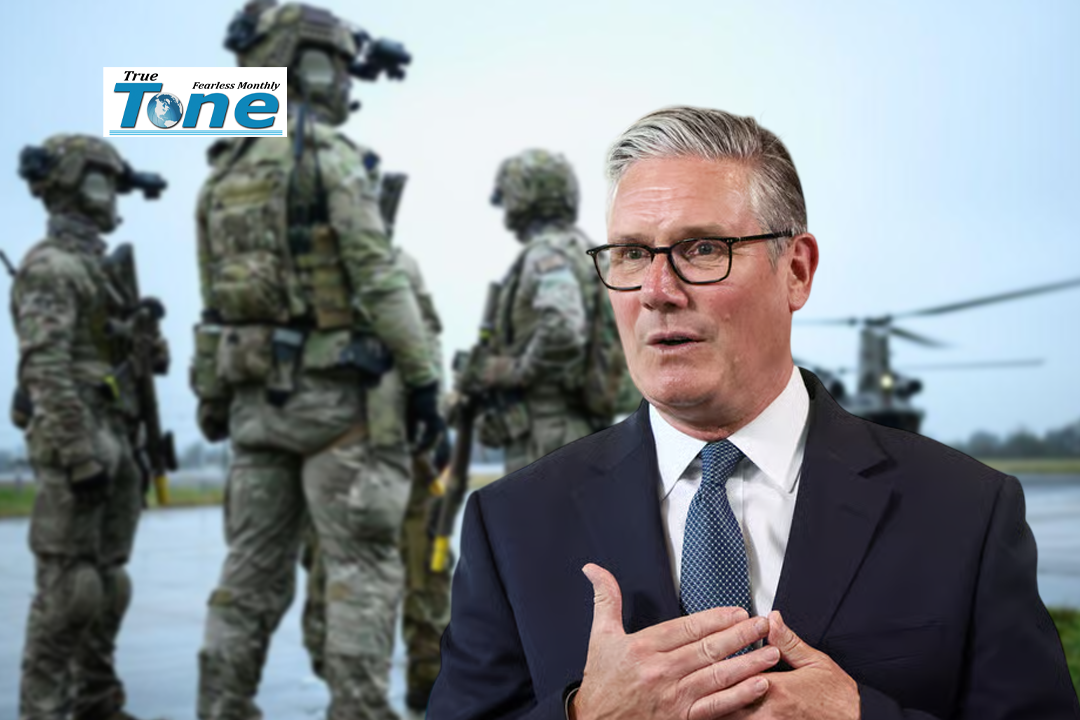
Britain is set to unveil a sweeping long-term defence investment strategy that places drones, autonomous systems and next-generation military technologies at the centre of its future armed forces, as outgoing Prime Minister Keir Starmer seeks to cement a key policy legacy before leaving office.
The Defence Investment Plan (DIP), due to be formally announced on Tuesday, follows months of intense debate within the Labour government over how much funding is required to modernise the United Kingdom’s military in response to an increasingly volatile global security environment. Rising tensions with Russia, the evolution of modern warfare, and lessons drawn from conflicts in Ukraine and the Middle East have all shaped the government’s new defence priorities.
According to the Ministry of Defence (MoD), the package includes more than £5 billion ($6.6 billion) over the next four years dedicated to drones and autonomous military systems. The funding will support the development and acquisition of a wide range of capabilities, including autonomous mine-hunting systems, tactical quadcopter drones, and low-cost one-way attack drones, often referred to as “kamikaze” drones.
British officials argue that recent conflicts have demonstrated how unmanned technologies are rapidly transforming modern warfare. Ukraine’s defence against Russia’s invasion has relied heavily on drones, with officials estimating that Ukrainian forces use approximately 200,000 drones every month. During the recent conflict involving Iran, military planners observed offensive drone operations reaching as many as 700 launches per day, highlighting the growing importance of autonomous weapons on the battlefield.
In a statement released ahead of the official announcement, Starmer described the investment programme as a “game-changing investment” that would strengthen Britain’s national security for years to come.
“It will keep our country safe and secure long into the future,” the outgoing prime minister said, framing the initiative as a crucial step toward preparing the country’s armed forces for future threats rather than past conflicts.
The defence package comes during a period of significant political change in Britain. Starmer announced last week that he would step down as prime minister after members of the governing Labour Party shifted their support to veteran politician Andy Burnham. Unless a challenger emerges in the party leadership contest, Burnham is expected to become Britain’s next prime minister in mid-July.
The delayed release of the Defence Investment Plan has exposed divisions within the Labour government over military spending. Earlier this month, two senior defence ministers resigned following disagreements over the scope and funding of the programme.
Among those stepping down was Defence Secretary John Healey, who warned that the proposed funding levels risked making Britain “less safe.” In his resignation letter, Healey argued that the plan did not provide sufficient resources to meet the country’s growing defence requirements.
Healey specifically criticised the projected pace of spending increases, noting that the proposal only raised defence expenditure to 2.68 percent of gross domestic product (GDP) by 2030, falling short of what he believed was necessary to maintain Britain’s military capabilities.
Former Armed Forces Minister Al Carns also resigned, accusing the earlier version of the plan of preparing Britain for “the last war rather than the next one.” His remarks reflected wider concerns among defence experts that military investment must prioritise emerging technologies, cyber capabilities and autonomous systems instead of relying primarily on conventional equipment.
Despite the internal disagreements, government officials say the final version of the Defence Investment Plan includes additional funding secured by newly appointed Defence Secretary Dan Jarvis. British media reports indicate that the total settlement has increased to approximately £14.5 billion, up from the £13.5 billion originally presented to Healey.
Even with the increase, however, the package remains well below the £28 billion that senior military leaders have previously argued is necessary to fully modernise Britain’s armed forces over the coming years.
The government’s long-term defence ambitions also include a gradual increase in overall military spending. Starmer has pledged to raise defence expenditure to 2.5 percent of GDP from next year, with a target of reaching 3 percent if Labour wins the next general election, expected in 2029. The government also aims to increase spending further to 3.5 percent of GDP by 2035, reflecting growing pressure on NATO members to strengthen their military capabilities.
Calls for higher defence spending have intensified as the United States has repeatedly urged European allies to assume greater responsibility for their own security. US President Donald Trump has consistently pressed NATO members to invest more in defence and reduce their dependence on Washington. Starmer discussed Britain’s investment strategy with NATO Secretary General Mark Rutte ahead of the official announcement.
Alongside increased investment in drones, the government has also outlined plans to modernise the Royal Navy. Beginning in the early 2030s, Britain intends to replace its six ageing destroyers with at least six new “hybrid” warships that will combine traditional crewed operations with autonomous and uncrewed systems. Defence officials say the vessels are designed to improve operational flexibility while incorporating advanced technologies expected to define future naval warfare.
Supporters of the Defence Investment Plan argue that it represents a necessary shift toward preparing Britain’s military for rapidly evolving threats, particularly as autonomous systems become increasingly central to military operations worldwide. Critics, however, maintain that the current funding commitments remain insufficient to address the scale of the security challenges facing the United Kingdom.
As Britain prepares for both a change in political leadership and a significant transformation of its armed forces, the Defence Investment Plan is likely to remain at the centre of debate over the country’s strategic priorities and military readiness in the years ahead.















Md.Shahidur Rahman Tepa
Publisher & Editor
Mrs. Naznin Sultana - Associate Editor
Dr. Sariful Hoque Priom - Assistant Editor
Head Office: Tepa Complex 169/A, SS Nazrul Islam Sarani, Purana Paltan, Dhaka-1000, News and Commercial Office: 48 Bijoy Nagar (3rd Floor) Dhaka-1000,
E-mail: monthlytruetone@gmail.com
Leave a Reply