

Deadly Ebola outbreak in DR Congo sparks regional health emergency
- Update Time : Sunday, May 17, 2026
- 107 Time View
International Desk
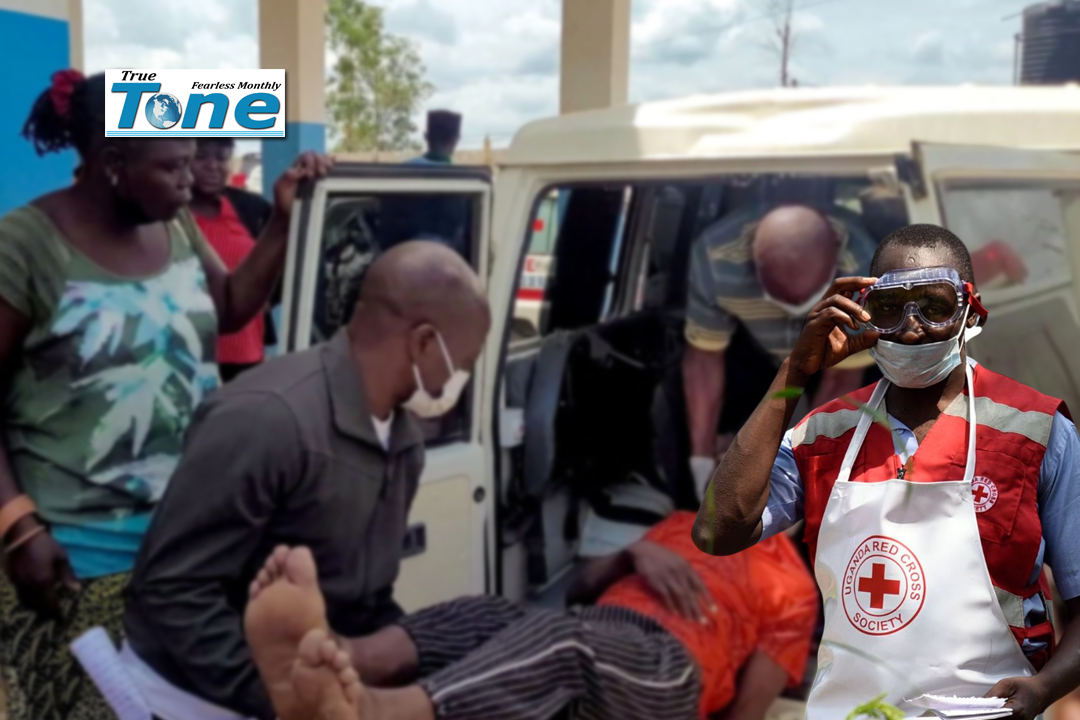
A deadly Ebola outbreak in the Democratic Republic of Congo (DR Congo) has triggered renewed fears across Central and East Africa after health authorities confirmed dozens of deaths and hundreds of suspected infections in the country’s northeastern Ituri province. Officials from the Africa Centers for Disease Control and Prevention (Africa CDC) have warned that the rapid spread of the virus, combined with heavy cross-border movement, could lead to a wider regional health crisis if urgent containment measures fail.
According to the latest figures released by African health authorities, at least 65 people have died during the current outbreak, while 246 suspected cases have been reported in affected communities. Laboratory testing conducted by the National Institute for Biomedical Research (INRB) in Kinshasa confirmed that 13 out of 20 tested samples were positive for Ebola virus disease.
The outbreak has mainly affected the Mongwalu and Rwampara health zones in Ituri province, an area that has previously suffered from armed conflict, population displacement, and weak healthcare infrastructure. Health officials stated that four of the deaths occurred among laboratory-confirmed Ebola patients, while investigations continue into other suspected fatalities.
Authorities are also examining possible infections in Bunia, the provincial capital of Ituri, raising concerns that the disease may already be spreading into larger urban centers. If Ebola reaches densely populated cities, health experts warn that controlling transmission could become significantly more difficult.
The Africa CDC said it is working closely with the governments of DR Congo, Uganda, and South Sudan to strengthen surveillance systems and emergency response operations along border regions. Health officials fear that frequent movement of traders, refugees, and local residents between neighboring countries could accelerate the spread of the virus beyond Congo’s borders.
Jean Kaseya, director general of Africa CDC, emphasized the need for immediate regional coordination to prevent a broader epidemic.
“Given the high population movement between affected areas and neighbouring countries, rapid regional coordination is essential,” Kaseya said in a statement.
Uganda and South Sudan have already begun increasing screening measures at border crossings and healthcare facilities. Emergency teams are reportedly preparing isolation units and monitoring individuals who may have come into contact with infected persons.
The latest outbreak has revived painful memories of previous Ebola epidemics that devastated communities across West and Central Africa. Public health experts note that while modern vaccines and treatment methods have improved survival rates, Ebola remains one of the world’s deadliest infectious diseases.
Ebola is a highly contagious hemorrhagic fever caused by the Ebola virus. The disease spreads through direct contact with bodily fluids such as blood, saliva, sweat, vomit, urine, or infected tissue from humans or animals carrying the virus. Healthcare workers and family members caring for patients are particularly vulnerable if strict protective measures are not followed.
The disease often begins with symptoms that resemble common infections, including fever, fatigue, headaches, muscle pain, and sore throat. As the illness progresses, patients may experience vomiting, diarrhea, skin rashes, and severe internal or external bleeding. In the most serious cases, Ebola can lead to multiple organ failure and death.
Health authorities say the fatality rate for Ebola can reach as high as 90% in outbreaks where medical care is limited or delayed. However, rapid diagnosis, supportive treatment, hydration, and access to vaccines can greatly improve survival chances.
Medical teams responding to the current outbreak are now attempting to identify infected individuals quickly, trace their contacts, and isolate suspected cases before wider community transmission occurs.
The Democratic Republic of Congo has experienced repeated Ebola outbreaks since the virus was first discovered near the Ebola River in 1976. The country’s vast geography, remote rural communities, and ongoing security challenges have often complicated disease control efforts.
The current outbreak comes only months after DR Congo officially declared an end to another Ebola flare-up in Kasai Province in December 2025. According to World Health Organization (WHO) data, that outbreak recorded 64 total cases, including 53 confirmed infections and 11 probable cases. A total of 45 deaths were linked to the epidemic.
The Kasai outbreak marked DR Congo’s 16th recorded Ebola epidemic since the virus was first identified in the country nearly five decades ago. Previous outbreaks have ranged from isolated rural clusters to major public health emergencies involving thousands of infections.
One of the most severe Ebola crises in history occurred between 2018 and 2020 in eastern DR Congo, where more than 2,000 people died despite large-scale international intervention. Armed conflict in the region complicated response efforts, as attacks on treatment centers and distrust toward medical workers slowed containment operations.
Health experts warn that similar obstacles could emerge again in Ituri province, which continues to experience instability due to armed militia activity and displacement of civilians.
The outbreak in DR Congo has also heightened concerns in neighboring Uganda, which has battled its own Ebola cases in recent years. Last year, Ugandan authorities declared a new Ebola outbreak after a 32-year-old nurse died from multiple organ failure caused by the virus.
According to WHO reports, Uganda recorded 14 Ebola cases and four deaths during that outbreak. Although health officials managed to contain the spread relatively quickly, the incident demonstrated how rapidly the virus can re-emerge in East Africa.
Uganda’s experience dealing with Ebola has made the country one of the region’s most prepared nations for outbreak response. Officials there have already intensified monitoring at hospitals and border checkpoints to prevent imported cases from DR Congo.
International health organizations, including the WHO, UNICEF, Médecins Sans Frontières (Doctors Without Borders), and the Africa CDC, are mobilizing resources to assist Congolese authorities in containing the outbreak.
Emergency response teams are deploying medical supplies, protective equipment, laboratory support, and trained personnel to affected areas. Vaccination campaigns may also be expanded to include frontline healthcare workers and individuals exposed to confirmed Ebola patients.
Public awareness campaigns are being launched to educate communities about symptoms, prevention methods, and the importance of reporting suspected infections quickly. Officials say combating misinformation and fear will be essential to stopping the spread of the virus.
Health workers are particularly concerned about the possibility of undetected transmission chains in remote villages where access to healthcare remains limited. Delays in seeking medical care, combined with traditional burial practices involving physical contact with the deceased, can significantly increase infection risks.
Although Ebola outbreaks are typically concentrated in parts of Africa, global health experts continue to monitor developments closely due to the potential for international spread through travel and migration. Modern air travel means infectious diseases can cross continents within hours if cases are not identified early.
The WHO has not yet declared the current outbreak a global public health emergency, but experts say the situation remains highly concerning due to the growing number of suspected cases and the proximity of affected regions to international borders.
For communities in eastern Congo, however, the outbreak represents more than a medical crisis. Many residents are already struggling with poverty, violence, displacement, and limited healthcare access. The resurgence of Ebola adds another devastating challenge to an already fragile humanitarian situation.
As health authorities race to contain the virus, the coming weeks will likely determine whether the outbreak can be controlled locally or develops into another major regional epidemic.




















Md.Shahidur Rahman Tepa
Publisher & Editor
Mrs. Naznin Sultana - Associate Editor
Dr. Sariful Hoque Priom - Assistant Editor
Head Office: Tepa Complex 169/A, SS Nazrul Islam Sarani, Purana Paltan, Dhaka-1000, News and Commercial Office: 48 Bijoy Nagar (3rd Floor) Dhaka-1000,
E-mail: monthlytruetone@gmail.com
Leave a Reply