

EU faces growing internal resistance over new Russia sanctions package
- Update Time : Tuesday, July 21, 2026
- 107 Time View
Dr. Shariful Haque Priom
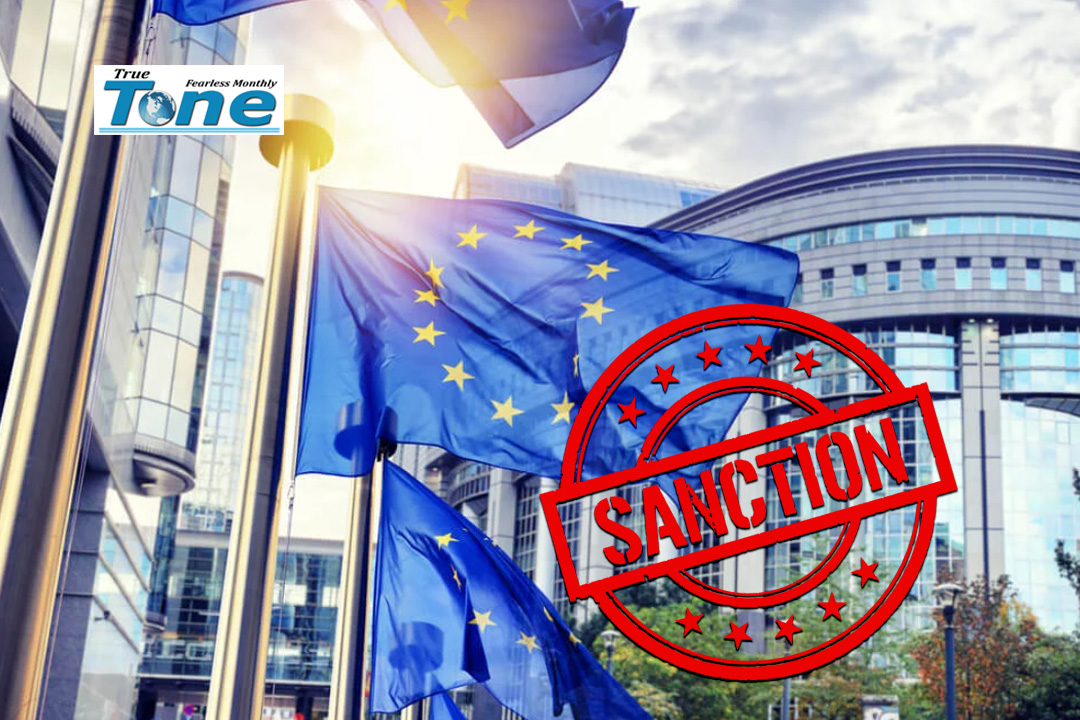
The European Union is encountering mounting internal opposition to its latest proposed sanctions package against Russia, with several member states seeking exemptions or blocking key measures over concerns about the economic impact on their national industries, according to a report by the Financial Times.
The proposed package, which would be the EU’s 21st round of sanctions against Moscow since the escalation of the Ukraine conflict in February 2022, targets Russia’s energy, financial, cryptocurrency, trade, and fisheries sectors. It also includes a proposal to ban Russians who have served in the military since February 2022 from entering the European Union.
However, negotiations among EU member states have reportedly exposed widening divisions within the bloc. Several rounds of discussions held last week failed to produce unanimous agreement, as a growing number of governments expressed reluctance to support measures they believe could inflict significant damage on their own economies and commercial interests.
According to diplomats cited by the Financial Times, Greece, France, Italy, Germany, Austria, and Portugal have all requested changes to various elements of the proposed sanctions package. Their demands reflect what diplomats described as increasing resistance to Brussels’ sanctions strategy, particularly when individual member states face substantial domestic economic consequences.
Under EU rules, new sanctions require unanimous approval from all member states. Diplomats involved in the negotiations reportedly said that governments are becoming less willing to bear additional economic costs in support of Ukraine, making consensus increasingly difficult to achieve.
“The moral imperative is functioning less and less,” one diplomat told the newspaper. “Capitals all agree on tough rhetoric and talk of solidarity, but then it all melts away.”
Among the strongest objections has come from Greece, which has reportedly refused to support the sanctions package unless it secures an exemption allowing its shipping companies to continue transporting Russian liquefied natural gas (LNG) to non-EU destinations.
Athens argues that a complete ban would disproportionately affect Greece’s shipping sector, one of the country’s most important industries. The concern centers on Greek shipping company Dynagas, owned by billionaire George Prokopiou, which has played a significant role in transporting LNG from Russia’s Yamal LNG project.
According to energy analytics firm Kpler, cited by the Financial Times, Dynagas has transported more than 30 million tons of LNG from the Yamal project since 2022, with the value of those cargoes estimated at more than $24 billion.
The company has reportedly warned that the proposed restrictions could force it to sell its fleet of specialized ice-class LNG carriers after the EU’s broader ban on Russian gas imports takes effect in January 2027. Dynagas argues that the vessels were specifically designed to operate in Arctic conditions and serve the Yamal LNG project under long-term contracts signed before the outbreak of the Ukraine conflict. The company maintains that prohibiting EU firms from transporting Russian LNG to third countries would weaken Europe’s shipping industry while benefiting competitors from outside the bloc without significantly advancing the EU’s geopolitical objectives.
Other member states have also sought changes to the sanctions package. Germany and Portugal are reportedly pushing to remove a proposed ban on Russian fish imports, citing concerns about the impact on domestic seafood processing industries that rely on those supplies.
Meanwhile, France and Italy have requested modifications to proposed visa restrictions affecting Russian citizens with military service records. Diplomats indicated that both countries are seeking greater flexibility in how such measures would be implemented.
The reported disagreements have prompted concerns among EU officials that repeated demands for exemptions could undermine the overall effectiveness of the bloc’s sanctions policy.
“It is a major crisis for the whole sanctions approach,” one diplomat was quoted as saying. “If everyone demands derogations and loopholes, then at the end of the process, each package of sanctions is just an empty box.”
Since the start of the Ukraine conflict in 2022, the European Union has approved 20 rounds of sanctions targeting Russia’s economy, financial system, energy exports, technology imports, and individuals linked to the Russian government. While previous packages were ultimately adopted despite extensive negotiations, diplomats told the Financial Times that opposition to the latest measures appears stronger than at any point since the sanctions campaign began.
The growing resistance reflects broader concerns among some European governments about balancing continued political support for Ukraine with protecting domestic industries from additional economic strain.
Russia has consistently dismissed the effectiveness of Western sanctions. Kremlin spokesman Dmitry Peskov has argued that the Russian economy has adapted to the restrictions over the past several years, while European countries themselves have absorbed part of the economic costs associated with the sanctions regime.
With unanimous approval still required, negotiations among EU member states are expected to continue as Brussels seeks to bridge divisions and secure agreement on the proposed sanctions package.










Md.Shahidur Rahman Tepa
Publisher & Editor
Mrs. Naznin Sultana - Associate Editor
Dr. Sariful Hoque Priom - Assistant Editor
Head Office: Tepa Complex 169/A, SS Nazrul Islam Sarani, Purana Paltan, Dhaka-1000, News and Commercial Office: 48 Bijoy Nagar (3rd Floor) Dhaka-1000,
E-mail: monthlytruetone@gmail.com
Leave a Reply