
India faces US ultimatum over Russian oil purchases, Modi stands firm
- Update Time : Friday, August 8, 2025
- 114 Time View
International Desk
India is grappling with an escalating diplomatic and economic standoff after the United States issued a stark ultimatum: end purchases of Russian crude oil within three weeks or face steeply increased tariffs on exports to the American market.
US President Donald Trump has given New Delhi until August 27 to secure alternative oil supplies. If India fails to comply, existing tariffs of 25 percent on certain exports will double to 50 percent. The move, according to Washington, is part of a broader push to deprive Moscow of critical revenue that fuels its military offensive in Ukraine.
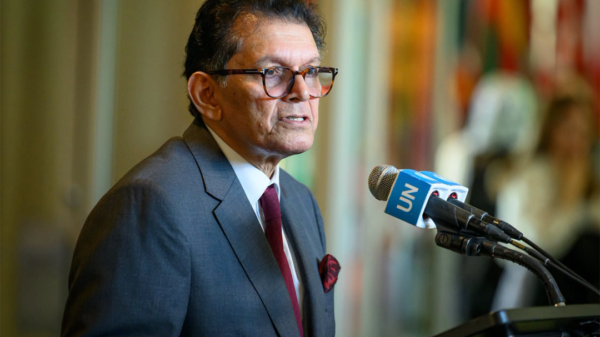
“It is a geopolitical ambush with a 21-day fuse,” wrote Syed Akbaruddin, India’s former ambassador to the United Nations, in the Times of India.
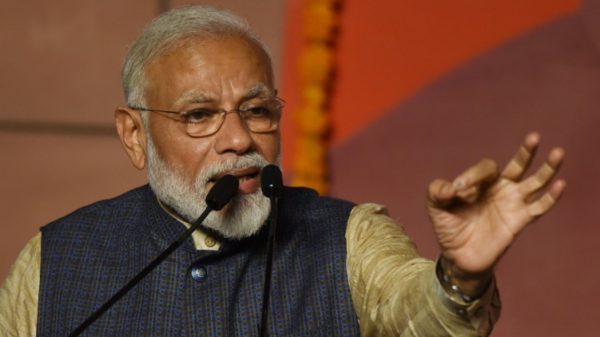
Indian officials have condemned Washington’s decision as “unfair, unjustified and unreasonable.” Prime Minister Narendra Modi has not directly addressed Trump’s threat, but signaled his unwillingness to bend under pressure.
“India will never compromise on the interests of our farmers,” Modi declared on August 7, indirectly referencing a core domestic constituency that has shaped India’s trade policy. Agriculture remains a politically sensitive sector, employing hundreds of millions of people and often serving as a sticking point in negotiations with the US.
The tone marks a sharp contrast from earlier in the year when Trump lauded a “special bond” with Modi, raising Indian hopes for preferential trade treatment. Analysts say those expectations have now been replaced with the most severe test of US-India relations in two decades.
“The resilience of US-India relations is being tested more than at any other time over the last 20 years,” said Michael Kugelman of the Asia Pacific Foundation of Canada.
Russia accounted for roughly 36 percent of India’s crude imports in 2024, amounting to around 1.8 million barrels per day at discounted prices. These purchases have allowed New Delhi to keep fuel prices stable and save billions in import costs — a crucial advantage for an energy-hungry economy.
Shifting to alternative suppliers is expected to raise costs for Indian consumers and industries. On the other hand, rejecting Washington’s demands could trigger punitive tariffs that would hit Indian exporters hard. The Federation of Indian Export Organisations has warned that doubling US tariffs could render many export-oriented businesses “not viable.”
Former Reserve Bank of India governor Urjit Patel described the US stance as one of India’s “worst fears.” Without a compromise, he warned, “a needless trade war” would erupt, causing inevitable welfare losses.
Modi has been working to strengthen ties with other global partners. He spoke with Brazilian President Luiz Inacio Lula da Silva on Thursday, with both leaders emphasizing the need to “defend multilateralism.”
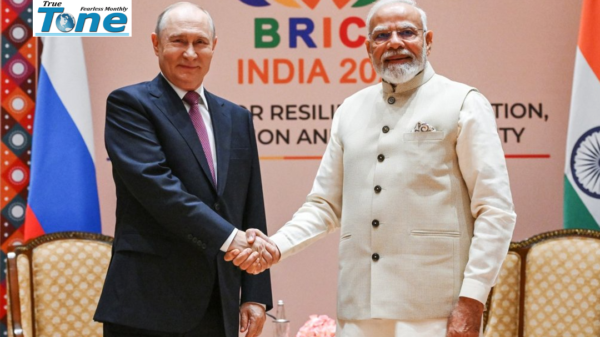
India’s National Security Adviser Ajit Doval also met Russian President Vladimir Putin in Moscow this week, hinting at progress in finalizing Putin’s upcoming visit to India. Meanwhile, Indian media reports suggest Modi may travel to China later this month to attend the Shanghai Cooperation Organization summit — a trip that would mark his first visit since 2018.
Such diplomatic activity reflects India’s efforts to safeguard its strategic autonomy. Beijing, in an official statement, welcomed the possibility of Modi’s visit, noting China’s readiness to engage.
While Washington views India as a vital counterbalance to China in Asia, analysts warn the dispute risks undermining years of careful diplomatic investment. “I have not seen the relationship so troubled since the early 1990s,” said Ashok Malik of The Asia Group. “It’s not over, but it is at risk.”
Domestically, Modi faces political risks if perceived as capitulating to US demands. The opposition Congress party has already accused the government of “disastrously dithering.” Party president Mallikarjun Kharge stressed India’s historic non-alignment policy, saying any foreign power that penalizes India for defending “strategic autonomy” fails to grasp the country’s resolve.
Still, Akbaruddin believes a middle path remains possible. India could, he suggested, buy more US oil if offered at competitive prices while simultaneously engaging Russia on potential ceasefire discussions.
For now, however, the countdown to August 27 is on — and both New Delhi and Washington appear unwilling to blink first.





Md.Shahidur Rahman Tepa
Publisher & Editor
Mrs. Naznin Sultana - Associate Editor
Dr. Sariful Hoque Priom - Assistant Editor
Head Office: Tepa Complex 169/A, SS Nazrul Islam Sarani, Purana Paltan, Dhaka-1000, News and Commercial Office: 48 Bijoy Nagar (3rd Floor) Dhaka-1000,
E-mail: monthlytruetone@gmail.com
Leave a Reply