

US grants temporary waiver on Iranian oil sanctions amid ongoing peace talks
- Update Time : Tuesday, June 23, 2026
- 77 Time View
Naznin Sultana
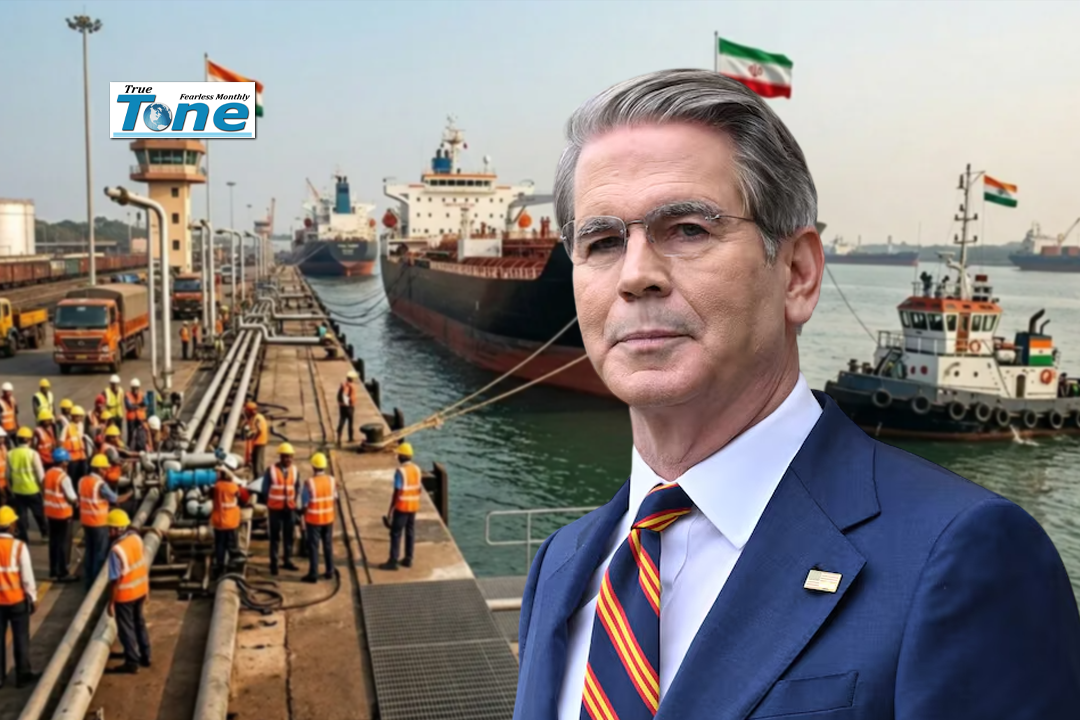
The United States has issued a temporary sanctions waiver allowing the production, sale, delivery, and import of Iranian crude oil and petrochemical products for a period of 60 days, marking a significant shift in Washington’s approach toward Tehran as both sides continue negotiations aimed at resolving longstanding disputes.
The waiver, announced by US Treasury Secretary Scott Bessent on June 22, authorizes a broad range of activities involving Iran’s energy sector. Under the measure, companies and entities are permitted to engage in the production, transportation, sale, and purchase of Iranian-origin crude oil, petroleum products, and petrochemicals during the two-month period.
According to the US Treasury Department, the authorization extends beyond oil exports and includes services that support the energy trade. These services encompass vessel management, insurance, crewing, bunkering, classification, and emergency repairs for ships involved in transporting Iranian energy products. The waiver also allows payments related to approved transactions to be made in US dollar-denominated funds to Iran, the Iranian government, or sanctioned Iranian entities.
The move represents a broader relaxation of restrictions than previous exemptions. In March 2026, Washington issued General License U, which allowed transactions involving Iranian oil that had already been loaded onto tankers before a specified deadline. The newly announced General License X goes further by permitting ongoing production and commercial activities within Iran’s energy sector.
Notably, the authorization also temporarily lifts restrictions on the importation of Iranian-origin crude oil, petroleum products, and petrochemicals into the United States, a step that had previously been prohibited under US sanctions.
The waiver follows a memorandum of understanding reached earlier this month between Washington and Tehran. Under the agreement, the United States pledged to issue immediate waivers on Iranian oil exports as part of a broader effort to create conditions for continued diplomatic engagement.
The announcement comes shortly after talks between US and Iranian officials were held at the Swiss resort of Buergenstock over the weekend. The negotiations, mediated by Qatar and Pakistan, reportedly resulted in an agreement on a 60-day roadmap toward a comprehensive deal.
While no joint statement was issued following the discussions, mediators said the two sides agreed to continue technical negotiations and establish a high-level committee to oversee implementation of the roadmap. Iranian officials indicated that economic issues featured prominently during the talks, including the release of frozen Iranian assets and the removal of restrictions affecting the country’s ports, shipping industry, and international trade.
Iran possesses some of the world’s largest reserves of crude oil and natural gas, making its energy sector a critical component of the global market. However, years of US sanctions have significantly constrained the industry by limiting access to international banking systems, shipping services, insurance providers, and foreign buyers.
Despite these restrictions, Iran has continued exporting oil, primarily to Asian markets. China has remained the largest purchaser of Iranian crude, with independent Chinese refiners reportedly accounting for much of the trade despite the risk of US sanctions.
Analysts say the temporary waiver could provide a significant boost to Iran’s economy while also increasing global oil supplies during a period of uncertainty in energy markets. The coming weeks are expected to be crucial as negotiators work toward a potential long-term agreement that could further reshape economic and diplomatic relations between Washington and Tehran.











Md.Shahidur Rahman Tepa
Publisher & Editor
Mrs. Naznin Sultana - Associate Editor
Dr. Sariful Hoque Priom - Assistant Editor
Head Office: Tepa Complex 169/A, SS Nazrul Islam Sarani, Purana Paltan, Dhaka-1000, News and Commercial Office: 48 Bijoy Nagar (3rd Floor) Dhaka-1000,
E-mail: monthlytruetone@gmail.com
Leave a Reply