

Dinesh Trivedi and the challenge of rebuilding Dhaka-Delhi ties
- Update Time : Monday, August 24, 2026
- 14 Time View

Sujan Dey
Bangladesh-India relations have gone through one of their most difficult periods since August 5, 2024. Political upheaval, declining mutual trust, border issues, visa restrictions and the question of extradition have created considerable strain between the two neighbors.
Against this backdrop, India’s decision to appoint veteran politician Dinesh Trivedi as its High Commissioner to Bangladesh is notable. Unlike the career diplomats who have traditionally occupied the post, Trivedi brings decades of experience in Indian politics, Parliament and government.
India’s Ministry of External Affairs announced his appointment on April 27, 2026, succeeding career diplomat Pranay Verma.
The choice of a politician at a time of strained bilateral relations gives Trivedi a potentially distinctive role. Many of the issues confronting Dhaka and New Delhi involve not only official negotiations but also political sensitivities, public perceptions and the need for communication between political leaderships.
A different beginning
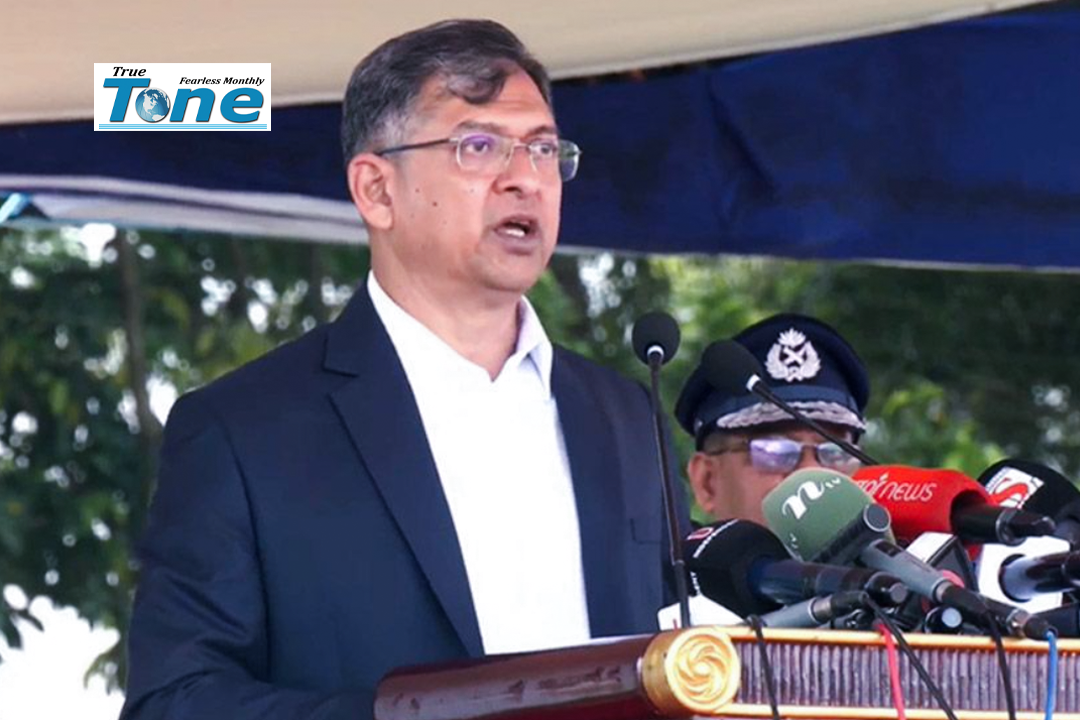
Trivedi entered Bangladesh through the Petrapole-Benapole land port on June 12, accompanied by his wife, Mrinal Trivedi. Speaking to journalists, he emphasized people-to-people relations and cooperation between Bangladesh and India.
Since then, dialogue has been a recurring theme in his public remarks.
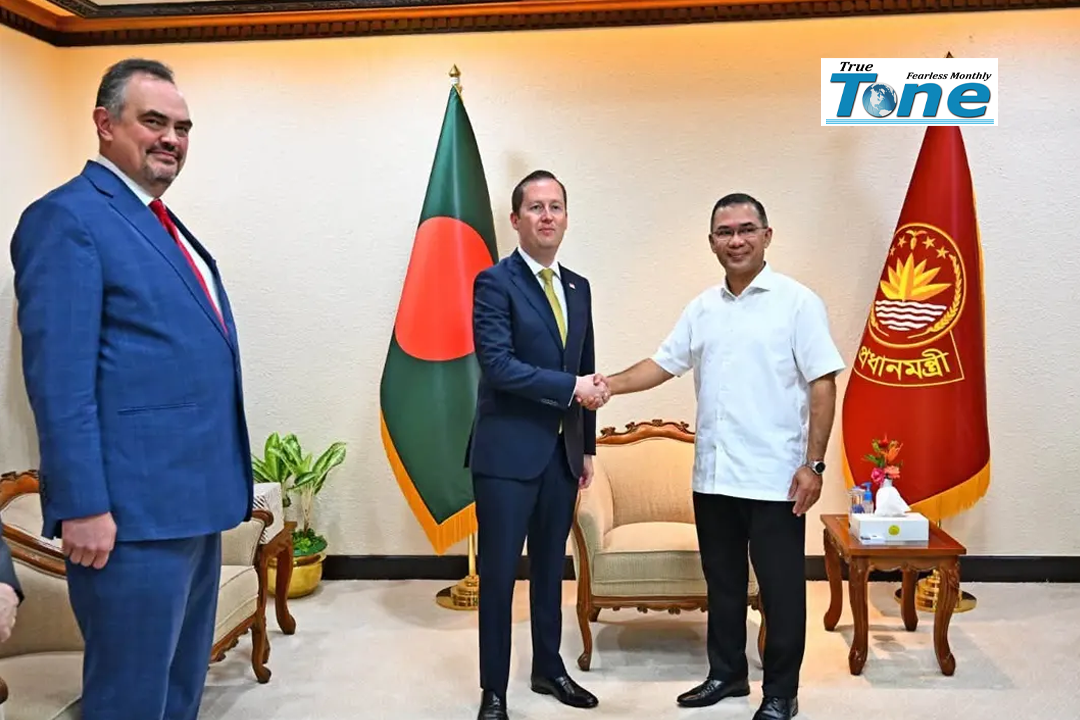
Ahead of his meeting with Prime Minister Tarique Rahman on August 10, Trivedi expressed hope that engagement between the two countries’ political leaderships could help address outstanding issues.
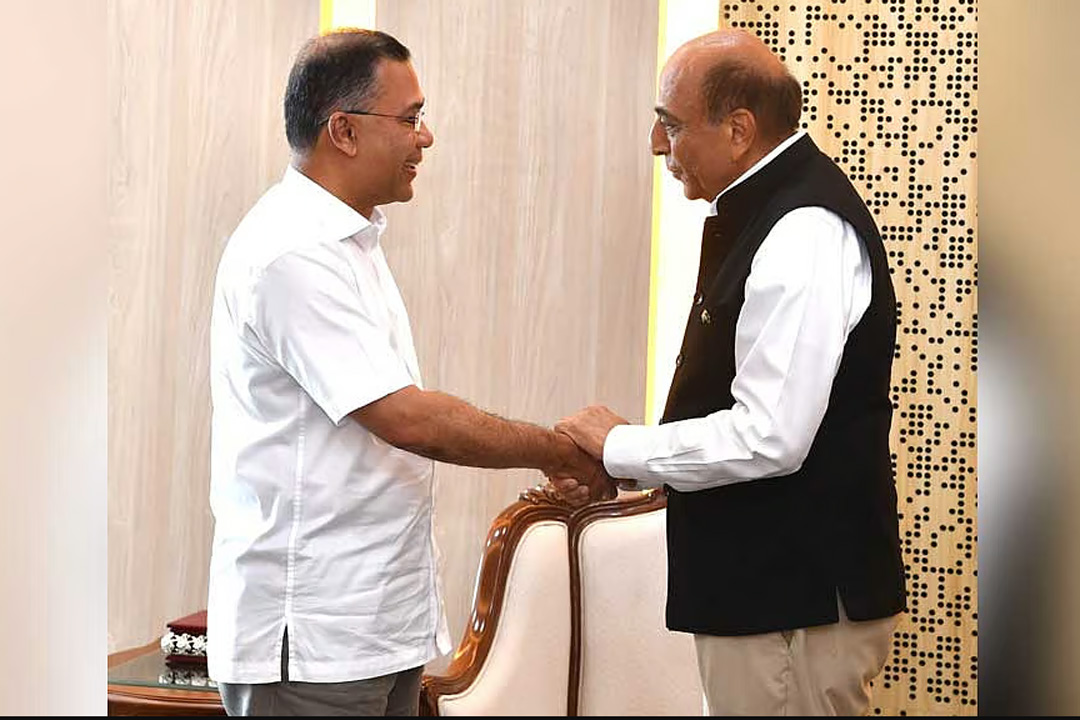
During the meeting, the two sides discussed bilateral relations and issues of mutual interest. Trivedi conveyed Prime Minister Narendra Modi’s greetings and reiterated India’s commitment to a “positive, constructive and forward-looking” relationship with Bangladesh.
The following day in New Delhi, Trivedi met Modi and sought his guidance on improving relations with Bangladesh, according to India’s Ministry of External Affairs.
The sequence illustrates one potential advantage of having a politically experienced envoy in Dhaka: he can engage directly with Bangladesh’s political leadership and communicate developments to India’s political leadership.
That does not make him a substitute for established diplomatic channels. But at a time when political trust is fragile, direct communication can be useful.
Political experience
Trivedi’s political background is perhaps his most distinctive qualification for the assignment.
He entered the Rajya Sabha in 1990 and subsequently served in both Houses of Parliament. He served as Minister of State for Health and Family Welfare and later became Railway Minister in the government of Prime Minister Manmohan Singh.
In 2021, he left the Trinamool Congress and joined the Bharatiya Janata Party (BJP). He was also conferred the Outstanding Parliamentarian Award for 2016.
His career has taken him through different phases of India’s coalition and parliamentary politics. That experience may help him understand the political calculations and sensitivities surrounding bilateral relations in a way that differs from the role traditionally played by career diplomats.
More importantly, his political background gives him access to India’s political establishment.
Whether that access can contribute to better communication with Dhaka remains to be seen. Complex bilateral disputes cannot be resolved by one envoy, but an effective channel of communication can help reduce misunderstandings.
Small gestures, larger messages
Not all diplomatic initiatives involve major agreements.
On August 9, a dedicated play area for children was launched at the Indian Visa Application Centre in Dhaka. The initiative reportedly followed a request from a Bangladeshi mother who highlighted the difficulties faced by parents waiting for visa services with children.
The initiative was modest, but it addressed an everyday problem experienced by people using the visa center.
Such gestures matter because bilateral relations are ultimately experienced by ordinary citizens through issues such as visas, travel, trade and cross-border movement. In a relationship burdened by larger disputes, attention to these practical concerns can help maintain people-to-people contacts.
The larger challenge
The most difficult issues between Bangladesh and India remain unresolved.
The extradition of former Prime Minister Sheikh Hasina remains particularly sensitive. Bangladesh has formally requested her extradition, while India has said the matter is being examined through its legal and judicial procedures. The issue was also raised during Trivedi’s August 10 meeting with Prime Minister Tarique Rahman.
Other questions involving borders, visas, trade, security and political trust continue to require attention.
For India, Bangladesh’s geographical position, economy, connectivity and security significance make the relationship strategically important. For Bangladesh, maintaining a stable and constructive relationship with its largest neighbor is equally significant.
But a durable relationship requires more than strategic calculations. It requires mutual respect, sensitivity to each other’s concerns and a willingness to address contentious issues through dialogue.
Trivedi has repeatedly emphasized engagement and cooperation based on mutual interests. Whether those messages translate into substantive progress will depend not on one individual but on the political will of both governments.
Can a political envoy make a difference?
A High Commissioner is responsible for representing his country’s interests. Trivedi is no exception.
At the same time, an effective envoy must understand the political environment of the country in which he serves and communicate its concerns to his own government.
That may be where Trivedi’s political experience becomes particularly relevant.
His meetings with Bangladesh’s political leadership, followed by his consultations with India’s top political leadership, indicate an active approach to his assignment. But it is too early to determine whether this approach will produce a significant change in bilateral relations.
Ultimately, the future of Bangladesh-India relations cannot depend on Dinesh Trivedi alone.
Progress will require sustained engagement between the two governments, regular diplomatic communication and a willingness to address difficult issues without allowing disagreements to overwhelm the broader relationship.
The relationship is also larger than the two governments. Bangladesh and India share deep connections through geography, history, culture, trade and people-to-people contact.
Trivedi’s performance should therefore be judged not by the number of meetings he holds or statements he makes, but by whether his efforts help reopen channels of communication and create conditions in which difficult issues can be discussed constructively.
It is too early to predict the outcome of his assignment. But his early months in Dhaka indicate that New Delhi has placed a politically experienced figure in the role at a particularly sensitive moment.
Whether that experience can help rebuild trust between Dhaka and New Delhi will ultimately depend on what both sides are prepared to do.
This article was first published in Weekly Blitz.


Md.Shahidur Rahman Tepa
Publisher & Editor
Mrs. Naznin Sultana - Associate Editor
Dr. Sariful Hoque Priom - Assistant Editor
Head Office: Tepa Complex 169/A, SS Nazrul Islam Sarani, Purana Paltan, Dhaka-1000, News and Commercial Office: 48 Bijoy Nagar (3rd Floor) Dhaka-1000,
E-mail: monthlytruetone@gmail.com
Leave a Reply