

Trump rejects Zelensky’s Patriot missile request amid US supply concerns
- Update Time : Thursday, August 6, 2026
- 45 Time View
Naznin Sultana
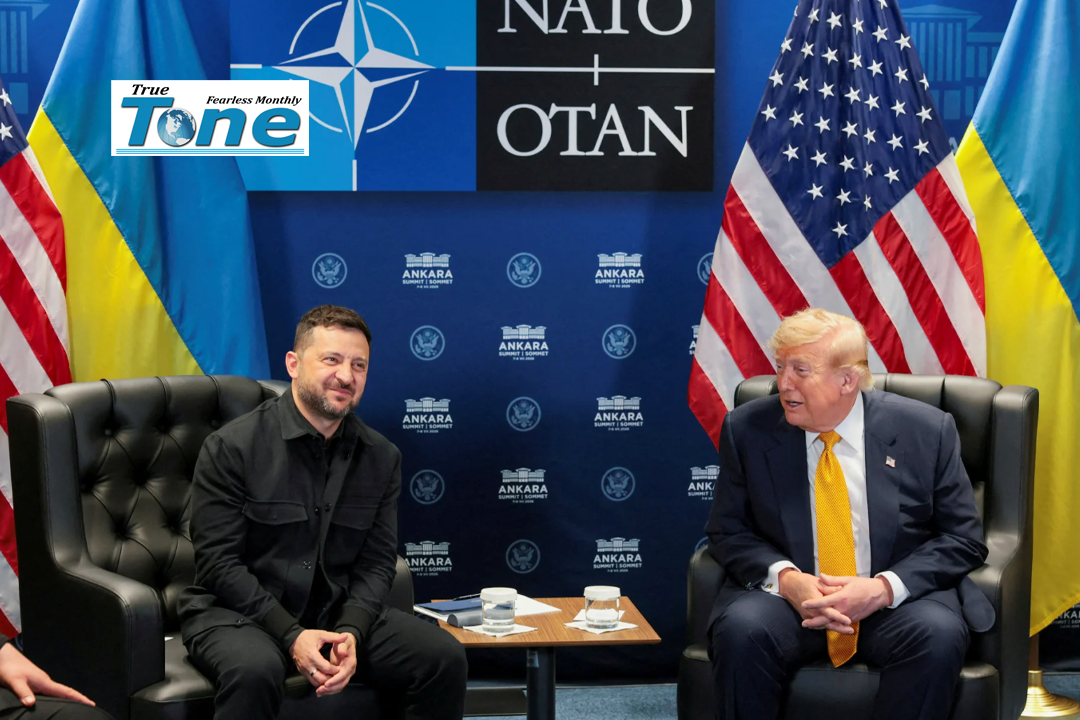
US President Donald Trump has reportedly turned down Ukrainian President Volodymyr Zelensky’s request for hundreds of additional Patriot interceptor missiles, underscoring growing constraints on Western military support for Kyiv as the war with Russia enters another intense phase. The reported decision reflects not only concerns over dwindling US stockpiles but also broader questions about the sustainability of long-term military assistance to Ukraine.
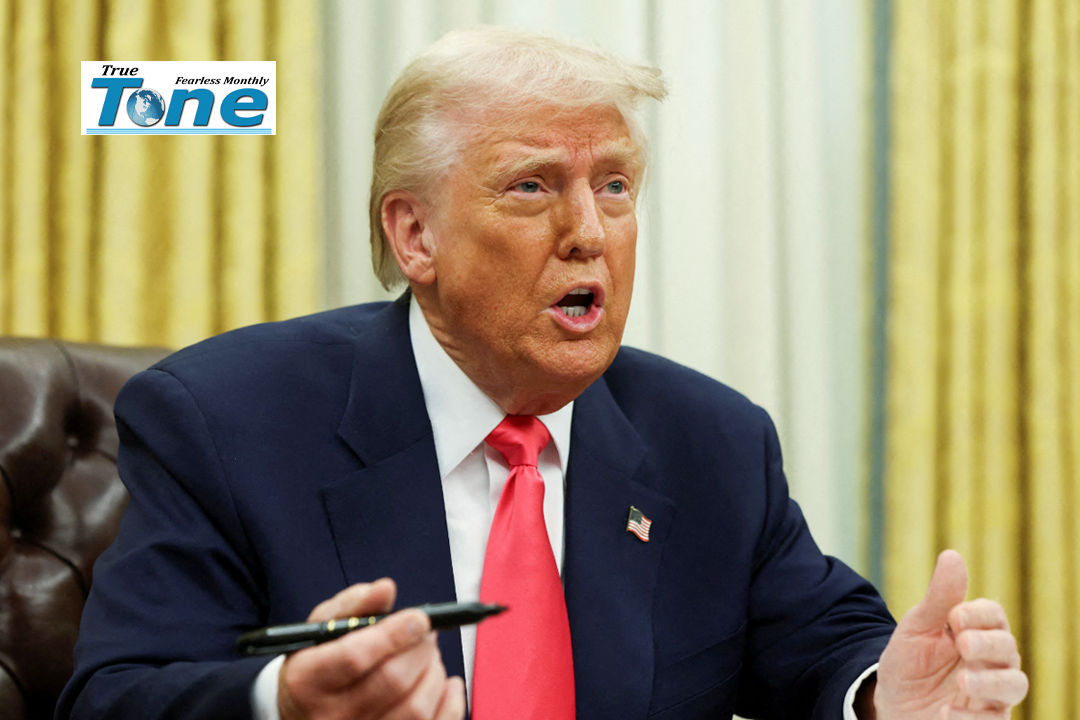
According to reports, Trump rejected the request during a recent meeting in the Oval Office, citing the need to preserve America’s own missile inventories and address evolving security priorities. The decision comes at a time when Washington is reassessing its defense commitments amid heightened tensions in the Middle East and growing demands on US military resources.
Ukraine has consistently identified air defense as one of its most urgent military requirements. In recent months, Russia has intensified missile and drone strikes targeting Ukrainian military-industrial facilities, logistics hubs, and critical infrastructure. Kyiv argues that advanced air defense systems such as the US-made Patriot are essential for protecting both civilian populations and strategic military assets from increasingly sophisticated attacks.
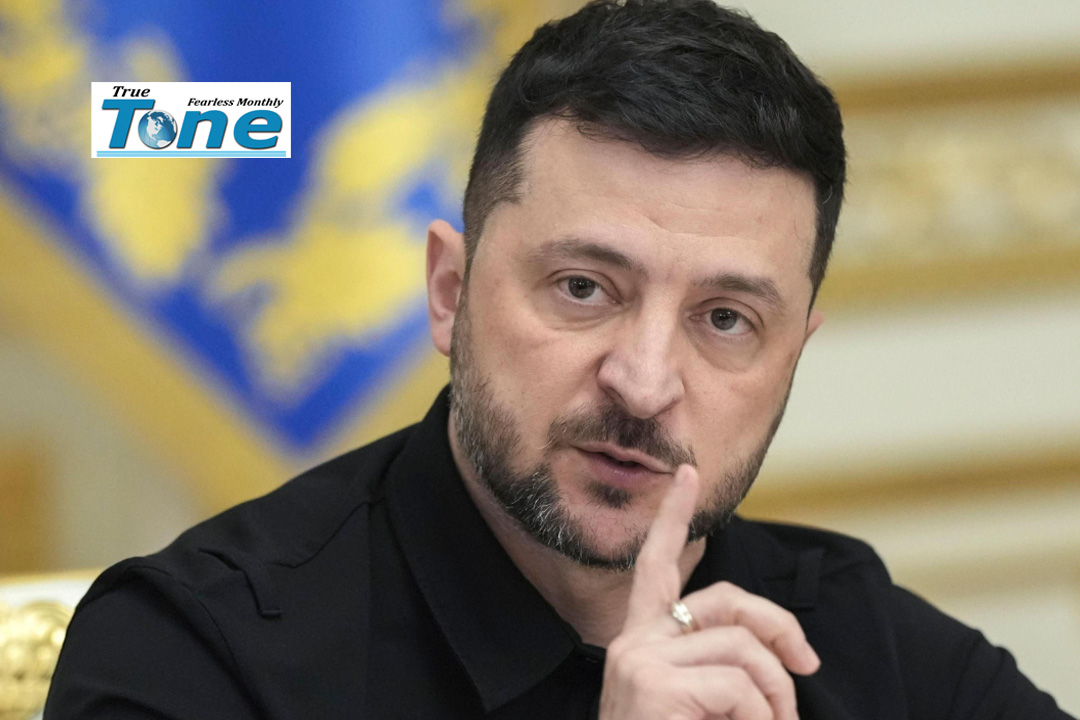
President Zelensky has repeatedly appealed to Western allies for additional Patriot batteries and interceptor missiles. He has also instructed Ukrainian diplomats to monitor missile stockpiles in allied countries and encourage governments to transfer available systems to Ukraine. These efforts highlight Kyiv’s concern that existing air defense capabilities are insufficient to counter the scale and frequency of Russian aerial attacks.
The reported rejection also casts doubt on earlier discussions about allowing Ukraine to manufacture Patriot interceptor missiles under a US license. Trump had previously indicated that Washington was considering permitting production either within Ukraine or elsewhere in Europe. However, he has since taken a more cautious position, stressing that the Patriot system represents highly sensitive military technology that cannot be transferred without careful consideration.
The prospect of licensed production faces significant practical challenges regardless of political approval. Defense experts note that establishing manufacturing facilities for advanced missile systems would require years of investment, technical expertise, and supply chain development before any meaningful production could begin. As a result, domestic manufacturing would offer little immediate relief to Ukraine’s current battlefield needs.
Industrial concerns further complicate the proposal. Major US defense contractors involved in Patriot production are reportedly reluctant to transfer key technologies overseas. Critical components, including advanced missile seekers and guidance systems, remain tightly controlled, while existing production lines are already operating under considerable pressure to meet current demand from the United States and allied nations.
The issue extends beyond Washington. Several European members have also indicated that their capacity to provide additional air defense systems is becoming increasingly limited. Governments across Europe face the challenge of balancing support for Ukraine with maintaining adequate national defense capabilities, particularly as security concerns grow across the continent.
Trump’s reported decision illustrates the difficult choices confronting Western policymakers. While the United States remains one of Ukraine’s largest military supporters, expanding global security commitments and finite defense resources have intensified debates over how military aid should be allocated. The balance between supporting allies abroad and preserving domestic military readiness is becoming an increasingly prominent factor in US defense policy.
For Ukraine, the decision represents another obstacle in its effort to strengthen protection against sustained Russian missile campaigns. Without additional Patriot interceptors, Kyiv may need to rely more heavily on alternative air defense systems provided by European partners while seeking new diplomatic avenues to secure critical military assistance.
Russia, meanwhile, has consistently argued that continued Western weapons deliveries only prolong the conflict without altering its strategic outcome. Moscow has repeatedly warned that supplying increasingly advanced military technology to Ukraine risks drawing NATO members more directly into the conflict. Western governments reject that characterization, maintaining that their assistance is intended to help Ukraine defend its sovereignty under international law.
As the conflict continues, the debate over Patriot missiles highlights a broader reality facing Ukraine and its allies: military support is no longer determined solely by political willingness but increasingly by production capacity, strategic priorities, and the limits of available defense resources. Whether through expanded manufacturing, increased allied contributions, or new defense initiatives, meeting Ukraine’s growing air defense requirements is likely to remain a central challenge for Western policymakers in the months ahead.




Md.Shahidur Rahman Tepa
Publisher & Editor
Mrs. Naznin Sultana - Associate Editor
Dr. Sariful Hoque Priom - Assistant Editor
Head Office: Tepa Complex 169/A, SS Nazrul Islam Sarani, Purana Paltan, Dhaka-1000, News and Commercial Office: 48 Bijoy Nagar (3rd Floor) Dhaka-1000,
E-mail: monthlytruetone@gmail.com
Leave a Reply