
Iran warns of retaliation as US economic war intensifies
- Update Time : Sunday, August 23, 2026
- 11 Time View
Desk News
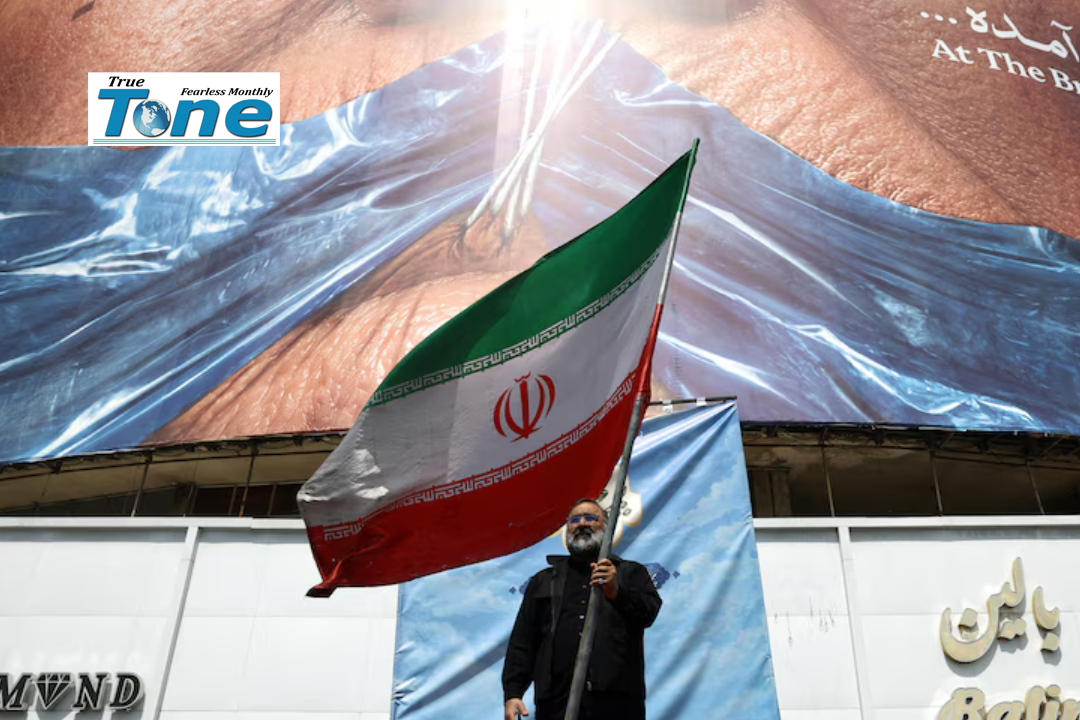
Iran has issued a stark warning to countries considering participation in Washington’s campaign to isolate the Iranian economy, signaling that Tehran may treat governments supporting US economic restrictions as hostile actors. The warning marks a significant escalation in the rhetoric surrounding the widening confrontation between Iran and the United States.
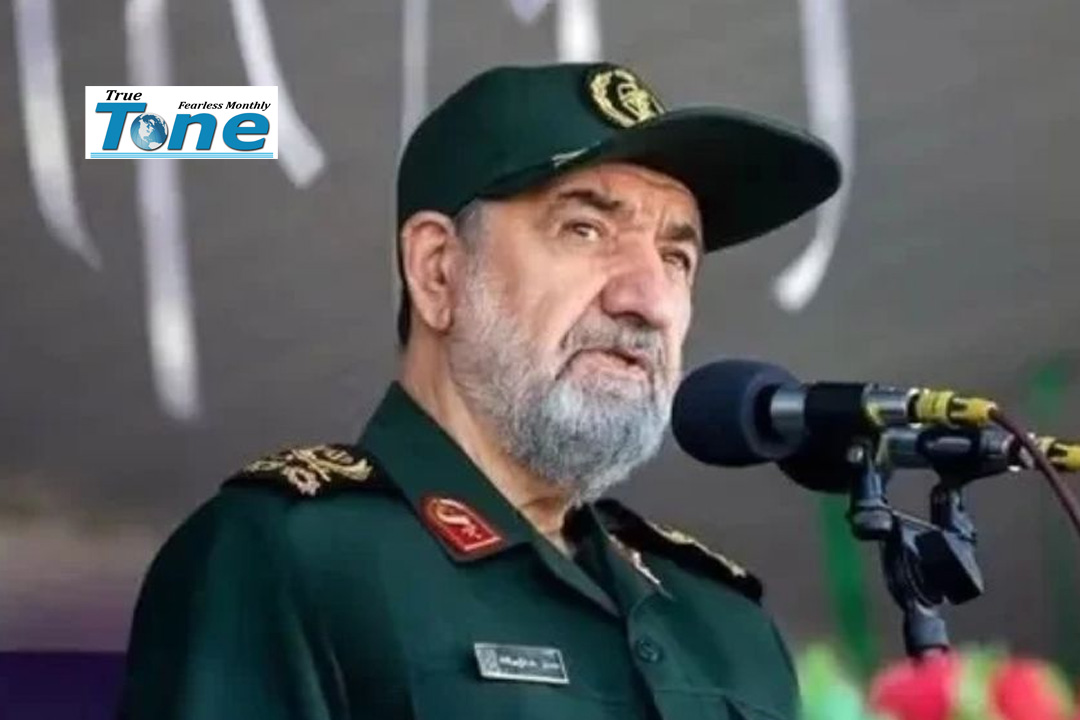
On August 22, Mohsen Rezai, head of Iran’s Supreme National Security Council, urged governments not to join what Tehran describes as an American “economic war” against the Islamic Republic. Speaking on Iranian state television, Rezai said countries that participate in imposing economic restrictions on Iran would be regarded as enemies.
His warning went beyond diplomatic criticism. Rezai said that if countries refused to distance themselves from Washington, Iran would seek to harm their interests. He also suggested that Tehran had not yet deployed all of its available instruments of retaliation.
According to Rezai, Iran’s military responses so far have focused on American military bases rather than US economic interests. He warned, however, that any attempt by Washington to intensify economic pressure could change Tehran’s calculations.
Iran’s threat is particularly significant because the country remains deeply integrated into a complex regional economic network. American sanctions and restrictions do not affect Iran alone; they can also create pressure on neighboring states, trading partners, financial institutions and companies that maintain commercial relationships with Tehran.
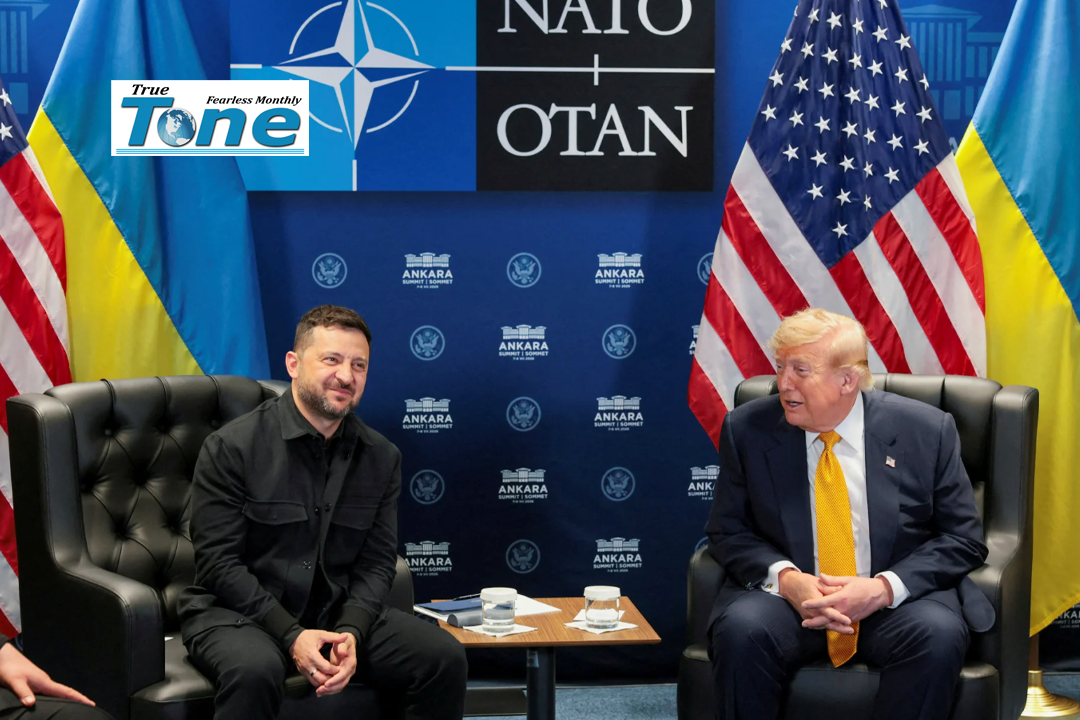
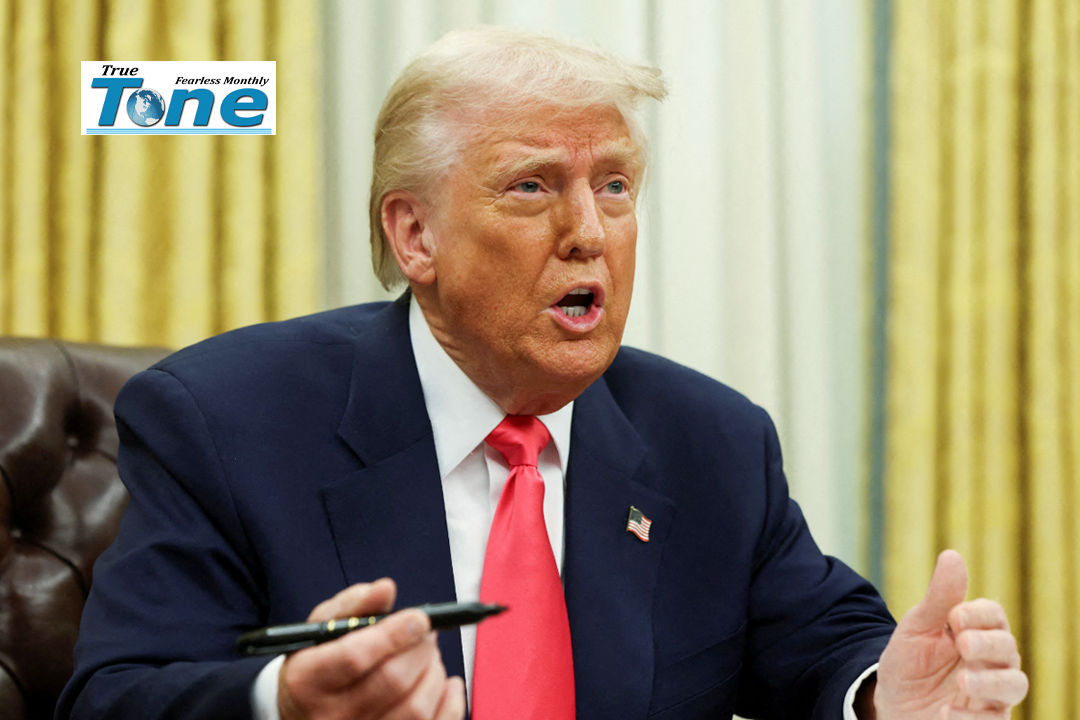
Rezai specifically pointed to American oil and economic interests operating around Iran and elsewhere, warning that such targets could become vulnerable if Washington expands its sanctions campaign. He further declared that any direct escalation by President Donald Trump could trigger a confrontation “like an earthquake,” underscoring the possibility of a much broader regional crisis.
The dispute also places Iran’s major strategic partners under increasing pressure. Washington has sought to persuade other governments, particularly China, to participate in efforts aimed at restricting Iran’s economic lifelines. Beijing, however, has criticized the American approach, arguing that sanctions are unlikely to resolve the underlying conflict in the Middle East.
China’s position is important because it remains one of Iran’s most significant economic and strategic partners. Any substantial reduction in Iranian oil exports or broader restrictions on Iran’s international trade could therefore have consequences well beyond the bilateral relationship between Tehran and Washington.
At the same time, Iran is facing pressure from some of its regional trading partners. The United Arab Emirates, one of Iran’s major commercial partners, announced on Tuesday that it was suspending trade and financial transactions with Tehran until further notice. Such measures could increase the economic pressure on Iran and demonstrate the difficult choices facing countries attempting to balance relations with Washington and Tehran.
The confrontation is consequently evolving into more than a dispute over sanctions. It is becoming a broader contest over economic sovereignty, regional alliances and the willingness of third countries to resist or accommodate American pressure.
For Washington, the challenge is to build an international coalition capable of limiting Iran’s economic resources without creating a wider conflict or alienating countries that have their own strategic interests. For Tehran, the challenge is equally formidable: resisting economic isolation while avoiding actions that could provoke a significantly larger military confrontation.
Iran’s latest warning suggests that its leadership views economic pressure as an extension of the battlefield. If sanctions continue to expand, Tehran may increasingly seek to demonstrate that economic warfare carries costs for those enforcing or supporting it.
The coming months will therefore be critical. A further escalation could disrupt trade, energy markets and regional stability, while diplomatic efforts could still provide a path toward containing the confrontation. What happens next may depend not only on Washington and Tehran, but also on how countries such as China and the UAE navigate the growing pressure to choose sides.



Md.Shahidur Rahman Tepa
Publisher & Editor
Mrs. Naznin Sultana - Associate Editor
Dr. Sariful Hoque Priom - Assistant Editor
Head Office: Tepa Complex 169/A, SS Nazrul Islam Sarani, Purana Paltan, Dhaka-1000, News and Commercial Office: 48 Bijoy Nagar (3rd Floor) Dhaka-1000,
E-mail: monthlytruetone@gmail.com
Leave a Reply