

Mirza Fakhrul Islam Alamgir elected Bangladesh’s 23rd President
- Update Time : Friday, August 21, 2026
- 11 Time View
Desk News
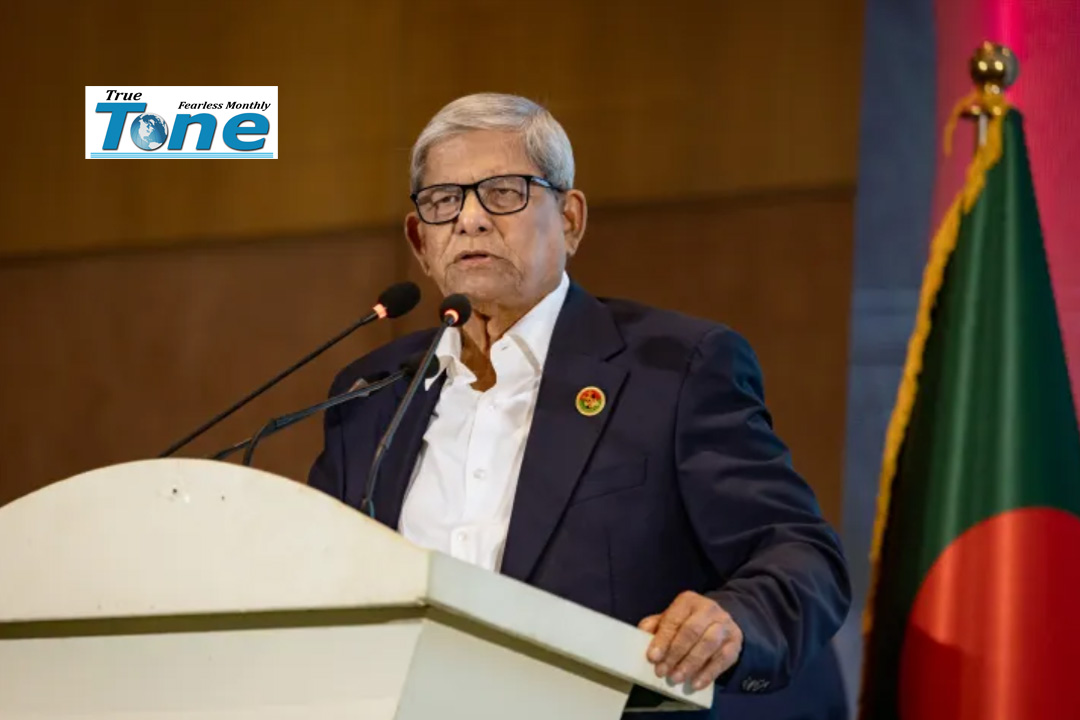
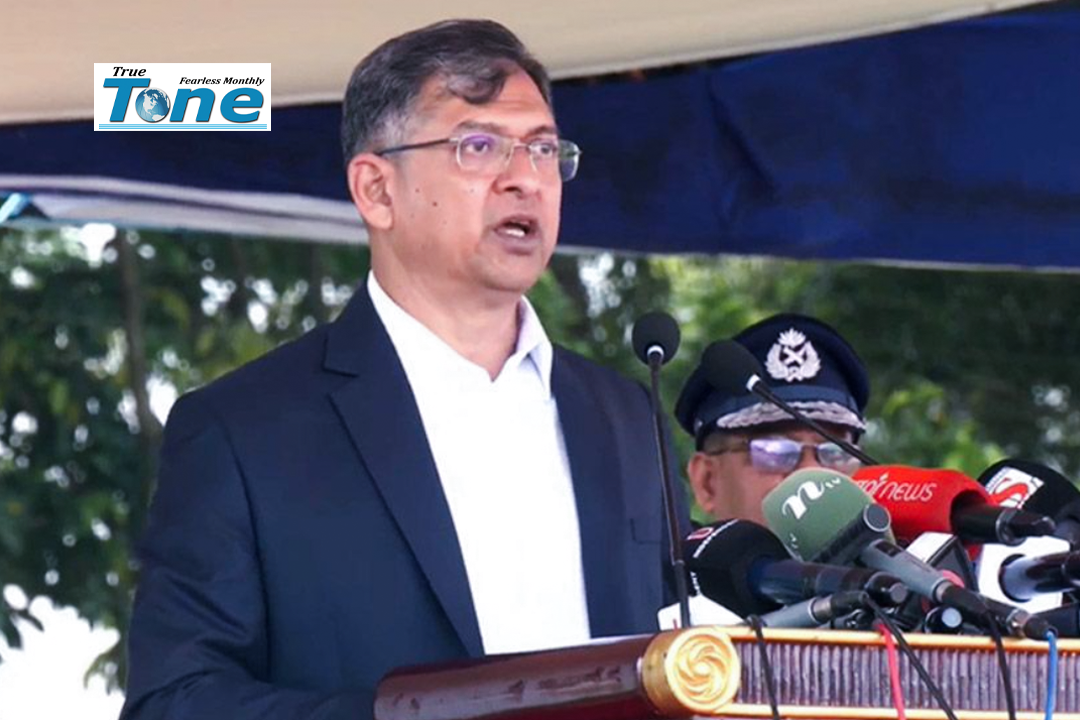
Mirza Fakhrul Islam Alamgir, the candidate nominated by the Bangladesh Nationalist Party (BNP), has been elected as the 23rd President of Bangladesh, defeating his only rival, Col (retd) Oli Ahmad, a candidate backed by the Jamaat-e-Islami-led 11-party opposition alliance.
In the presidential election held at the National Parliament, Mirza Fakhrul Islam Alamgir secured 255 votes, while Oli Ahmad received 88 votes. Chief Election Commissioner and Returning Officer AMM Nasir Uddin formally announced the result following the completion of the voting process.
The election marked an important moment in Bangladesh’s political history because it was a contested presidential election. Of the 349 registered voters, 343 Members of Parliament cast their ballots, while six lawmakers did not participate. The Election Commission said the result would subsequently be published in an official gazette.
Voting took place from 2:00pm to 5:00pm through an open-ballot system. Acting President Hafiz Uddin Ahmad, Bir Bikram, and Acting Speaker Barrister Kayser Kamal were among the first to cast their votes. Prime Minister Tarique Rahman and presidential candidate Mirza Fakhrul Islam Alamgir also voted shortly afterward.
Before voting began, CEC AMM Nasir Uddin announced the names of the two presidential candidates and explained the voting procedure to lawmakers, including instructions on how the ballot papers were to be deposited in the ballot box.
The election was held against the backdrop of a vacancy in the presidential office. Mohammed Shahabuddin resigned as President on July 24, after which Speaker Hafiz Uddin Ahmad assumed the responsibilities of acting President. Under Article 123(2) of the Constitution, an election to fill a vacant presidential office must be held within 90 days of the vacancy.
The parliamentary arithmetic made Mirza Fakhrul’s victory highly likely even before polling began. The 349 voters included 247 BNP lawmakers, 77 Jamaat MPs, eight National Citizens Party (NCP) lawmakers, eight independent MPs, three Bangladesh Khilafat Majlis MPs, and representatives of several other political parties.
The ruling camp had 250 lawmakers, while the opposition alliance consisted of 90 lawmakers. Among the smaller parties represented in Parliament were Bangladesh Jatiya Party-BJP, Gono Odhikar Parishad, Ganosamhati Andolon, Khilafat Majlis, Islami Andolan Bangladesh and Jatiya Gantrantik Party.
The election therefore reflected not only a constitutional requirement but also the current balance of political forces in Parliament. Mirza Fakhrul’s 255 votes substantially exceeded the 175 votes required for a simple majority among the 349-member electoral college.
The contest also carried historical significance. Bangladesh’s last contested presidential election took place on October 8, 1991. In that election, BNP nominee Abdur Rahman Biswas defeated Awami League candidate Badrul Haider Chowdhury, winning 172 votes against his rival’s 92. After that election, successive presidents were elected without a vote because only one candidate was nominated.
The return of a competitive presidential election more than three decades later consequently represents a notable departure from the country’s recent electoral history. Although Bangladesh’s president largely performs a constitutional and ceremonial role under the parliamentary system, the office remains institutionally important. The president appoints the prime minister in accordance with parliamentary majority support, performs several constitutional functions and serves as the formal head of state.
Mirza Fakhrul’s election is also politically significant because he has been one of the BNP’s most prominent leaders for many years. His transition from senior party politics to the presidency could reshape the political balance between the ceremonial head of state and the elected government.
Following the announcement of the result, the Chief Election Commissioner congratulated both candidates and the lawmakers who participated in the election. The Election Commission is expected to complete the formal process through publication of the result in the official gazette.
Preparations are also underway at Bangabhaban for the oath-taking ceremony of the newly elected president, scheduled for Friday evening. The ceremony will formally mark Mirza Fakhrul Islam Alamgir’s assumption of the country’s highest constitutional office.
Oli Ahmad’s participation ensured that the presidential election was not a purely formal exercise. Although his 88 votes fell well short of Mirza Fakhrul’s 255, the contest provided the opposition with an opportunity to participate directly in the selection of the head of state.
The result also demonstrates the importance of parliamentary numbers in Bangladesh’s presidential system. With lawmakers rather than the general electorate choosing the president, the composition of Parliament effectively determines the outcome. In this case, the BNP-led ruling camp’s numerical advantage translated into a decisive victory for its nominee.
For Mirza Fakhrul, however, the presidency will represent a fundamentally different role from his long career as a partisan politician. The constitutional position requires the president to act as the head of state and to discharge responsibilities within the framework of the Constitution. His ability to maintain institutional neutrality while carrying out those responsibilities will therefore be closely watched.
The presidential transition also comes at a significant political juncture for Bangladesh. With a new president taking office following the resignation of Mohammed Shahabuddin and a contested election returning to the political calendar after 35 years, the country is entering a new phase of its constitutional and political development.
Mirza Fakhrul Islam Alamgir’s election, secured by 255 votes against Oli Ahmad’s 88, thus carries significance beyond the numerical result. It represents the first contested presidential election in Bangladesh since 1991, completes the constitutional process for filling the vacant presidency, and places a veteran BNP leader in the country’s highest ceremonial office.
The immediate focus will now shift to the oath-taking ceremony and to how the newly elected president exercises his constitutional responsibilities. His tenure will be closely observed not only for the decisions he makes within his constitutional authority but also for the extent to which the presidency maintains its institutional credibility and independence in Bangladesh’s evolving political landscape.






Md.Shahidur Rahman Tepa
Publisher & Editor
Mrs. Naznin Sultana - Associate Editor
Dr. Sariful Hoque Priom - Assistant Editor
Head Office: Tepa Complex 169/A, SS Nazrul Islam Sarani, Purana Paltan, Dhaka-1000, News and Commercial Office: 48 Bijoy Nagar (3rd Floor) Dhaka-1000,
E-mail: monthlytruetone@gmail.com
Leave a Reply