

UN marks July Mass Uprising Day, reaffirms support for Bangladesh’s democratic aspirations
- Update Time : Thursday, August 6, 2026
- 52 Time View
Dr. Sariful Hoque Priom
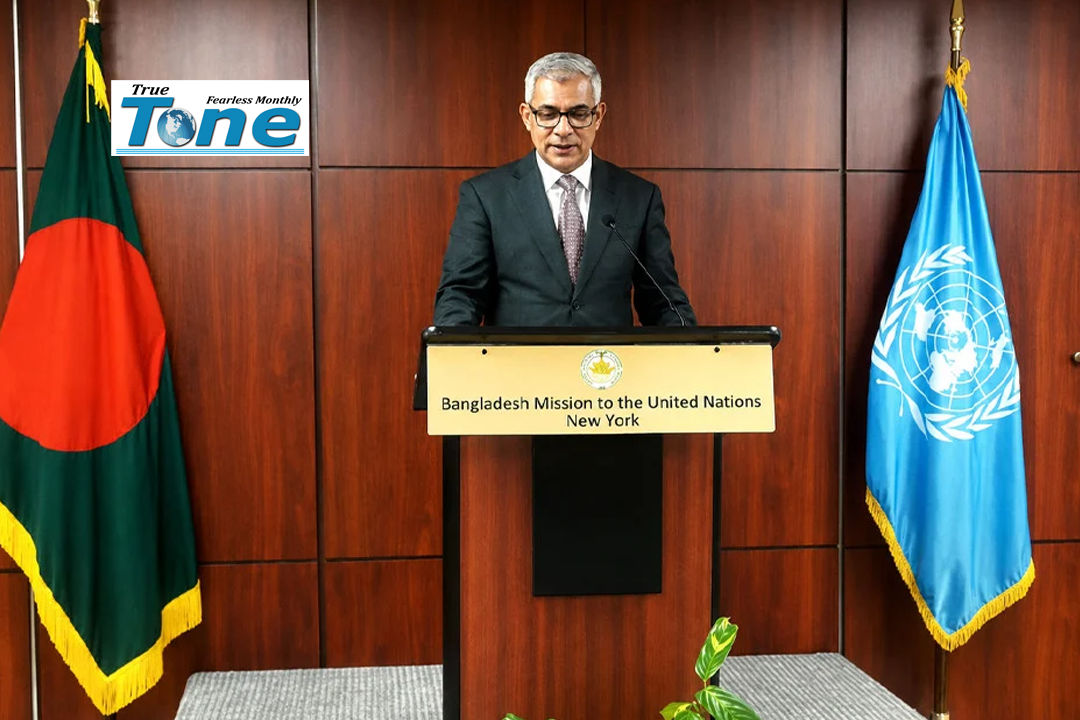
Bangladesh’s Permanent Mission to the United Nations in New York observed July Mass Uprising Day with a commemorative reception that brought together diplomats, senior UN officials and representatives of international organisations, highlighting the country’s democratic aspirations and commitment to institutional reform.
The event, held on August 5, served as an occasion to honour those who lost their lives during the July Mass Uprising while presenting Bangladesh’s vision for democratic governance, economic recovery and sustainable development to the international community.
Bangladesh’s Permanent Representative to the United Nations, Ambassador Salahuddin Noman Chowdhury, led the commemoration by paying tribute to the victims of the uprising. In his address, he described the movement as a defining moment in the country’s recent history, reflecting the people’s enduring aspirations for democracy, justice, accountability and human dignity.
“The July Mass Uprising embodied the collective determination of the people of Bangladesh to build a more peaceful, inclusive and prosperous future,” the ambassador said, emphasizing that the movement represented the resilience and unity of the nation’s citizens in pursuit of democratic values.
Addressing diplomats from UN member states and senior officials, Chowdhury highlighted the interim government’s “3R Strategy” – Recovery, Restoration and Reconstruction – as the cornerstone of Bangladesh’s ongoing reform agenda. He said the strategy is designed to restore macroeconomic stability, rebuild key state institutions, strengthen governance and lay the foundation for long-term sustainable development.
According to the ambassador, the government’s reform initiatives seek to reinforce public confidence in national institutions while creating conditions conducive to inclusive economic growth and social progress.
He also reaffirmed Bangladesh’s commitment to democratic governance and the principles enshrined in the UN Charter, stressing the country’s continued support for multilateralism and strengthened international cooperation in addressing global challenges.
The observance was attended by permanent representatives and diplomats from various UN member states, senior officials of the United Nations and representatives of other international organisations, reflecting broad international engagement with Bangladesh’s diplomatic outreach.
As part of the programme, guests viewed a documentary on the July Mass Uprising that traced the events leading to the movement and highlighted its significance in Bangladesh’s democratic journey. The screening provided participants with an overview of the uprising, its impact on the country’s political landscape and the aspirations that continue to shape ongoing reform efforts.
The event formed part of Bangladesh’s broader efforts to engage the international community on its democratic transition and institutional reform agenda. Through such initiatives, the Permanent Mission seeks to strengthen understanding among global partners of the country’s priorities and its commitment to advancing democratic values, good governance and sustainable development.
The observance concluded with a renewed call for continued international cooperation and support as Bangladesh pursues reforms aimed at building a more accountable, inclusive and resilient society while contributing constructively to the work of the United Nations and the wider international community.







Md.Shahidur Rahman Tepa
Publisher & Editor
Mrs. Naznin Sultana - Associate Editor
Dr. Sariful Hoque Priom - Assistant Editor
Head Office: Tepa Complex 169/A, SS Nazrul Islam Sarani, Purana Paltan, Dhaka-1000, News and Commercial Office: 48 Bijoy Nagar (3rd Floor) Dhaka-1000,
E-mail: monthlytruetone@gmail.com
Leave a Reply