

Trump claims Iran talks continue despite denials, warns of ‘last chance’ for nuclear deal
- Update Time : Tuesday, August 4, 2026
- 59 Time View
Naznin Sultana
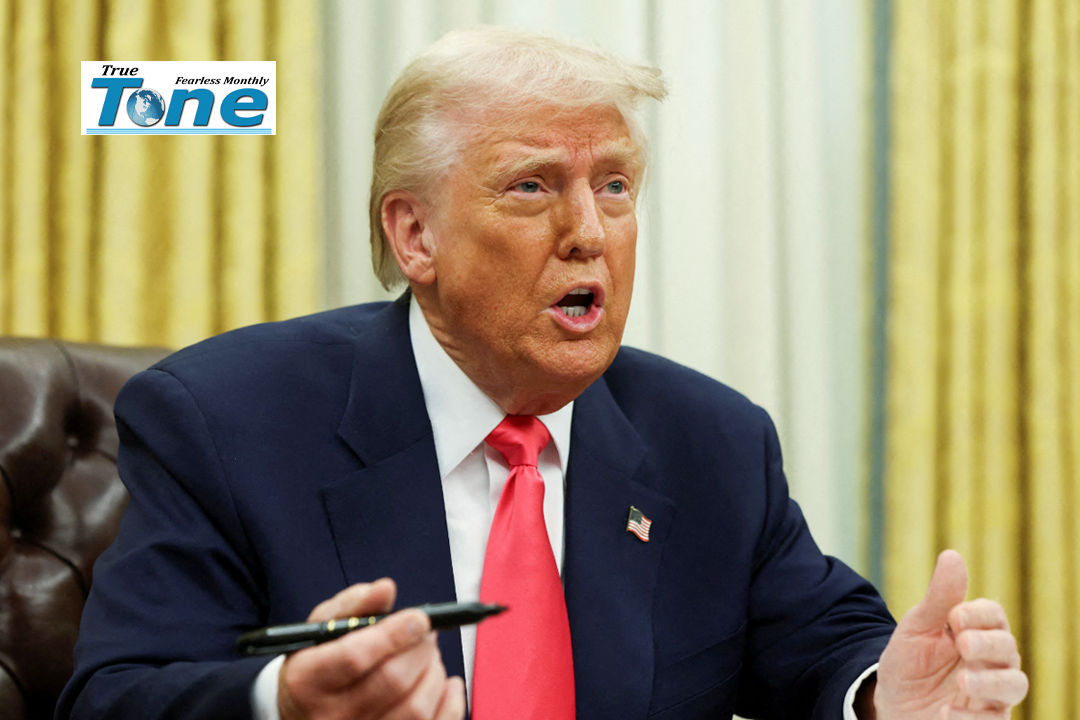
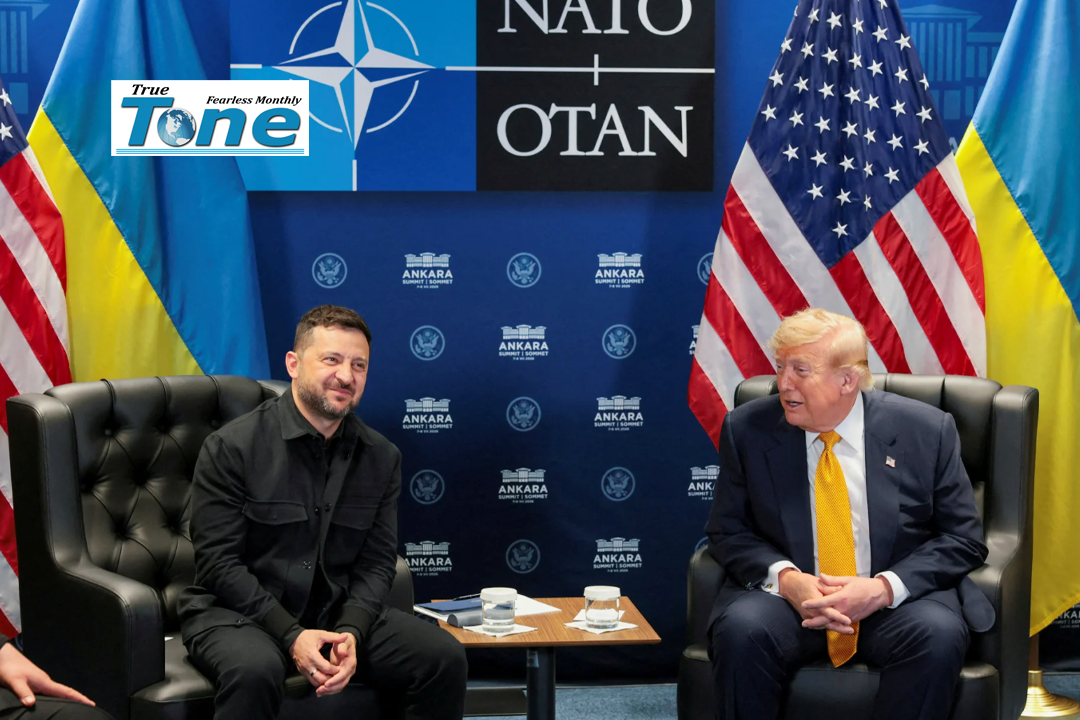
US President Donald Trump has claimed that negotiations with Iran are continuing despite repeated denials from Tehran, saying the Islamic Republic has a “last chance” to reach an agreement before facing severe consequences. Speaking to reporters at the White House on August 3, Trump asserted that diplomatic contacts with Iran remain active and stressed that his administration is pursuing a deal aimed at resolving two of the region’s most pressing security issues: reopening the Strait of Hormuz and ensuring Iran’s nuclear program is permanently constrained.
Trump’s remarks came amid heightened tensions that have persisted for months following the outbreak of war between the United States, Israel, and Iran. Although intermittent diplomatic efforts have reduced the intensity of fighting at various points, the conflict continues to cast uncertainty over regional stability, global energy markets, and international security.
According to Trump, the decision to continue engaging with Iran was influenced by requests from several key Middle Eastern partners, including Saudi Arabia, the United Arab Emirates, Qatar, and other regional governments that are seeking to prevent a wider conflict.
“We are talking right now,” Trump told reporters when asked about Iran’s insistence that no direct negotiations with Washington were taking place.
Describing the current diplomatic effort as a final opportunity, Trump said, “This is a last chance for them to sign a good document. I want to give them every last chance before decapitation.”
The US president indicated that negotiations are primarily focused on two major objectives. The first is restoring navigation through the Strait of Hormuz, one of the world’s most strategically important maritime chokepoints. Trump suggested that progress on this issue could come quickly, saying the waterway could reopen “literally by tomorrow” if an agreement is reached.
The second objective involves the denuclearization of Iran, a process Trump acknowledged would require more time but described as essential for long-term regional security.
Tehran rejects Trump’s claims
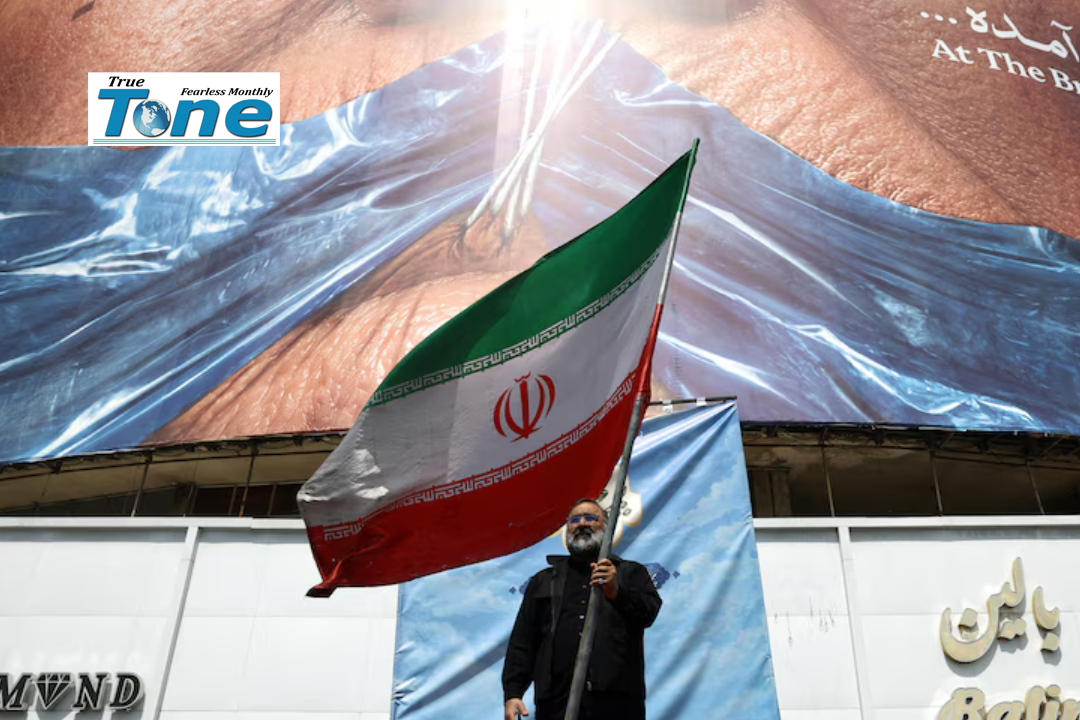
Iran, however, continues to reject Trump’s assertion that negotiations with Washington are underway.
On August 3, Iran’s Foreign Ministry denied that any talks were taking place with the United States. Instead, Iranian officials said their current discussions involve neighboring Oman and relate specifically to arrangements for maritime passage through the Strait of Hormuz rather than broader political negotiations with Washington.
Foreign Ministry spokesman Esmaeil Baqaei said Iran’s negotiations are focused on securing an acceptable framework for maritime traffic through the strategically vital waterway.
“Our negotiations are with Oman to secure passage through the Strait of Hormuz,” Baqaei stated.
His comments underscored Tehran’s position that while technical discussions over maritime issues are continuing, they should not be interpreted as renewed diplomatic engagement with the United States.
Strait of Hormuz remains at the center of dispute
The Strait of Hormuz has become one of the central issues in the current crisis.
The narrow waterway connects the Persian Gulf to the Gulf of Oman and the Arabian Sea, serving as one of the world’s busiest routes for oil and liquefied natural gas exports. Any disruption to shipping through the strait carries significant implications for global energy prices and international trade.
Before the conflict escalated, commercial vessels enjoyed relatively unrestricted passage through the strait. Since fighting intensified, however, Iran has imposed restrictions on maritime traffic, citing national security concerns.
According to reports, Tehran has blocked certain shipping routes, interfered with commercial navigation, and insisted that vessels use routes close to Iran’s coastline. The United States has opposed these restrictions, arguing that freedom of navigation must be preserved under international law.
Iran has also proposed charging fees for vessels using the waterway, another measure rejected by Washington.
On August 2, Baqaei told Iranian state television that discussions with Oman had produced progress toward establishing a mutually acceptable navigation route.
He said negotiators were working on a passage that would respect the sovereignty and security interests of both countries while avoiding exclusive reliance on either northern or southern maritime routes.
Despite those discussions, Iranian officials emphasized that reaching such an arrangement would not automatically mean reopening the Strait of Hormuz to unrestricted international shipping.
Maritime security concerns continue
Security concerns in the Strait of Hormuz intensified further after Britain’s maritime security agency, the United Kingdom Maritime Trade Operations (UKMTO), reported that a cargo vessel had been struck by an unidentified projectile off the coast of Oman.
The agency said the vessel reported being hit but did not identify the ship or specify the extent of any damage or casualties. Authorities are continuing to investigate the incident.
The latest attack highlights the continuing risks faced by commercial shipping in one of the world’s most strategically important maritime corridors, where military tensions have repeatedly threatened international trade.
War continues despite diplomatic contacts
The current conflict began on February 28, when the United States and Israel launched surprise military strikes against Iranian targets.
Since then, periods of military escalation have alternated with diplomatic initiatives aimed at reducing hostilities. However, more than five months after the war began, Iran continues to retain significant military capabilities.
According to available assessments, Iran remains capable of launching missiles and drones against US forces and allied targets throughout the region. It also continues to possess stockpiles of enriched uranium that remain a central concern for Western governments.
Trump has repeatedly argued that Iran’s nuclear program represents an unacceptable security threat.
“The denuclearization of Iran has to happen,” he reiterated during his latest remarks.
Western governments have long accused Iran of seeking the capability to develop nuclear weapons. Tehran has consistently rejected those allegations, maintaining that its nuclear program is intended solely for peaceful civilian purposes, including energy generation and scientific research.
Familiar pattern of pressure and diplomacy
Trump’s latest comments also fit a broader pattern that has characterized recent US policy toward Iran.
Only days earlier, he warned that Iran could face renewed military strikes, including attacks targeting its energy infrastructure, if diplomatic efforts failed.
However, over the weekend, Trump softened his tone, suggesting that negotiators were approaching the “perimeters” of a possible agreement and indicating that diplomacy remained his preferred option.
At the same time, Trump criticized Tehran for publicly denying negotiations while privately, in his view, continuing discussions.
Describing Iran as “duplicitous,” he wrote on social media that regardless of Tehran’s public statements, discussions aimed at resolving the crisis were taking place.
Trump also highlighted the extensive economic pressure being applied by Washington, pointing to restrictions affecting Iranian ports and trade. He declared that nothing would move into or out of Iran without US approval unless a comprehensive agreement—or what he described as “total surrender”—was achieved.
Iranian officials have rejected several of Trump’s assertions, including his claim that Tehran requested the United States refrain from launching additional military strikes.
Iranian state media denied those reports, maintaining that no such request had been made.
High stakes for regional stability
The outcome of the current diplomatic standoff could have far-reaching consequences for the Middle East and the global economy.
A successful agreement could reduce the risk of further military confrontation, restore safer commercial shipping through the Strait of Hormuz, and potentially create conditions for renewed diplomatic engagement between Washington and Tehran after years of hostility.
Failure, however, could trigger another round of military escalation, disrupt global energy supplies, and deepen instability across an already volatile region.
For now, the two sides remain sharply divided over whether negotiations are even taking place. While Trump insists active discussions are underway and portrays the current moment as Iran’s final opportunity to reach a deal, Tehran continues to deny direct talks with Washington, insisting its current diplomatic efforts are limited to maritime arrangements with Oman.
As diplomacy and confrontation continue side by side, the coming weeks are likely to determine whether the region moves toward de-escalation or another dangerous phase in one of the world’s most consequential geopolitical crises.






Md.Shahidur Rahman Tepa
Publisher & Editor
Mrs. Naznin Sultana - Associate Editor
Dr. Sariful Hoque Priom - Assistant Editor
Head Office: Tepa Complex 169/A, SS Nazrul Islam Sarani, Purana Paltan, Dhaka-1000, News and Commercial Office: 48 Bijoy Nagar (3rd Floor) Dhaka-1000,
E-mail: monthlytruetone@gmail.com
Leave a Reply