

Iran sets new conditions to reopen Strait of Hormuz as regional tensions escalate
- Update Time : Sunday, August 9, 2026
- 45 Time View
Dr. Sariful Hoque Priom
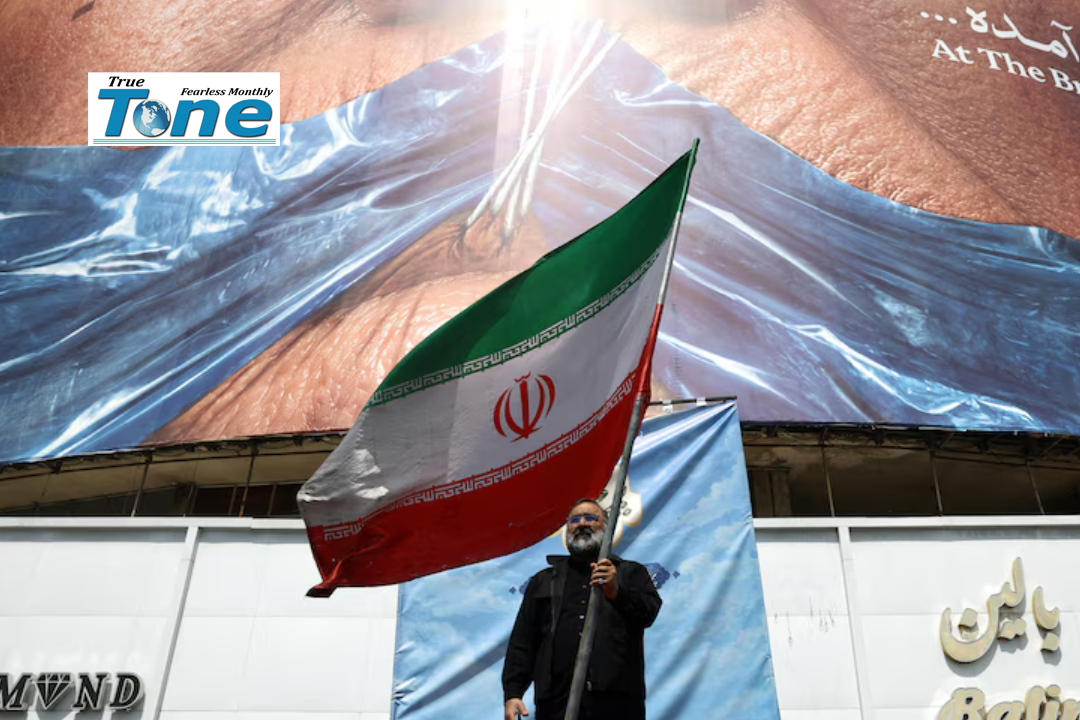
Iran has outlined a new set of conditions that it says the United States must meet before the Strait of Hormuz can be fully reopened to normal international shipping, adding fresh uncertainty to one of the world’s most strategically important maritime routes amid escalating tensions across the Middle East.
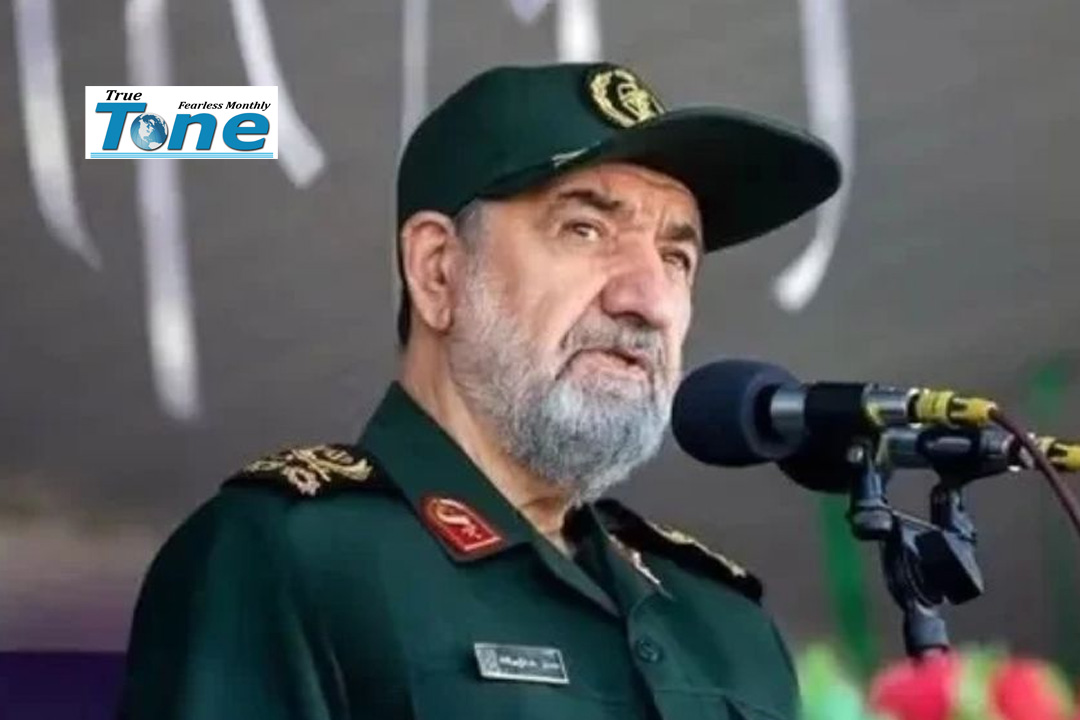
The demands were announced by Mohammad Baqer Zolqadr, secretary of Iran’s Supreme National Security Council, in a statement carried by Iranian state media on August 7. The Strait of Hormuz, which connects the Persian Gulf with the Gulf of Oman, serves as a critical chokepoint for global energy markets, with roughly one-quarter of the world’s seaborne crude oil and liquefied natural gas (LNG) shipments passing through the narrow waterway.
According to the statement, Iran said the United States must fundamentally alter its regional policies before maritime traffic through the strait can return to normal. Tehran called for Washington to withdraw its military forces from areas surrounding Iran, lift all economic sanctions imposed on the country, release frozen Iranian financial assets, and compensate Tehran for what it described as damages caused by years of economic pressure and military actions.
Iran also demanded that the United States end military operations and support for campaigns targeting Iran and its regional allies in Iraq, Lebanon, Palestine and Yemen. Zolqadr further stated that Washington should refrain from issuing threats against Iran or insulting what he described as the country’s national and religious values.
The latest demands underscore the widening diplomatic gap between Tehran and Washington despite recent suggestions that indirect negotiations could resume. While Iran had indicated earlier this week that it was nearing an agreement with Oman regarding joint management and security arrangements for the Strait of Hormuz, broader negotiations with the United States have shown little sign of progress.
The diplomatic standoff intensified after the United Arab Emirates accused Iran of attacking a commercial vessel operating in the Gulf. Emirati authorities said an Iranian missile struck a tanker operated by the Abu Dhabi National Oil Company (ADNOC), describing the incident as an act of piracy and a serious violation of international maritime law.
Iran has not accepted the accusation and continues to insist that all vessels transiting the Strait of Hormuz comply with navigation instructions issued by Iranian authorities. Tehran has repeatedly argued that shipping should avoid what it characterizes as an “illegal” maritime route established under US naval guidance.
The exchange of accusations has heightened concerns over freedom of navigation in one of the world’s busiest shipping corridors. Any prolonged disruption in the Strait of Hormuz could have significant implications for global energy supplies and international shipping costs, particularly as many Gulf producers rely on the passage to export crude oil and natural gas to markets in Asia and Europe.
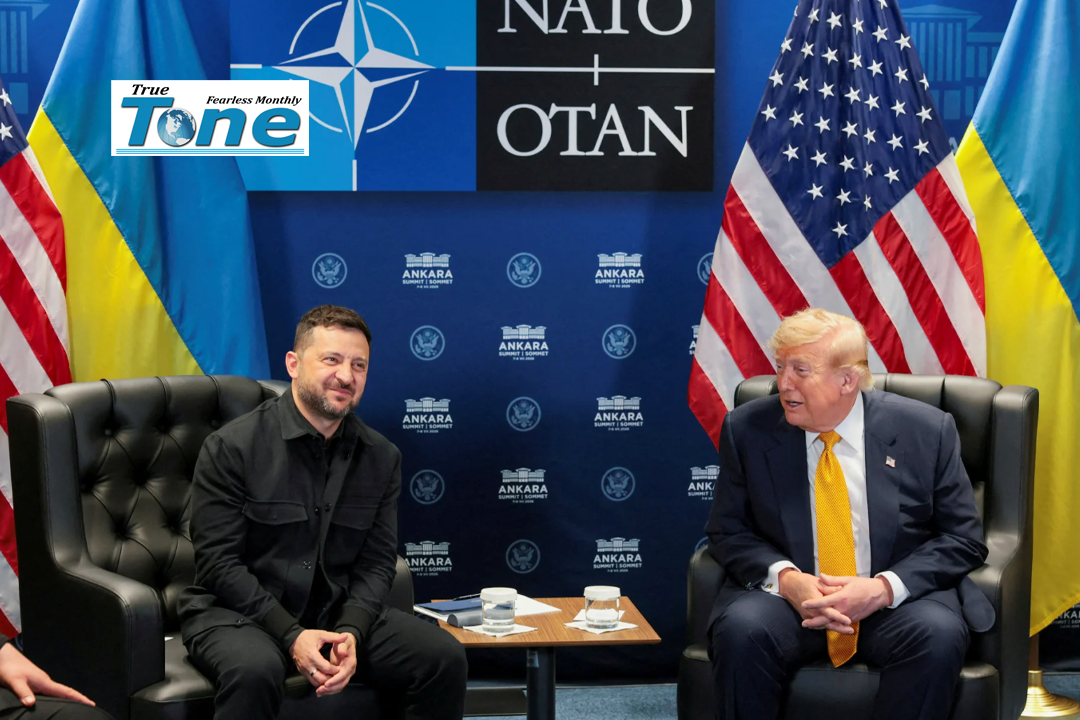
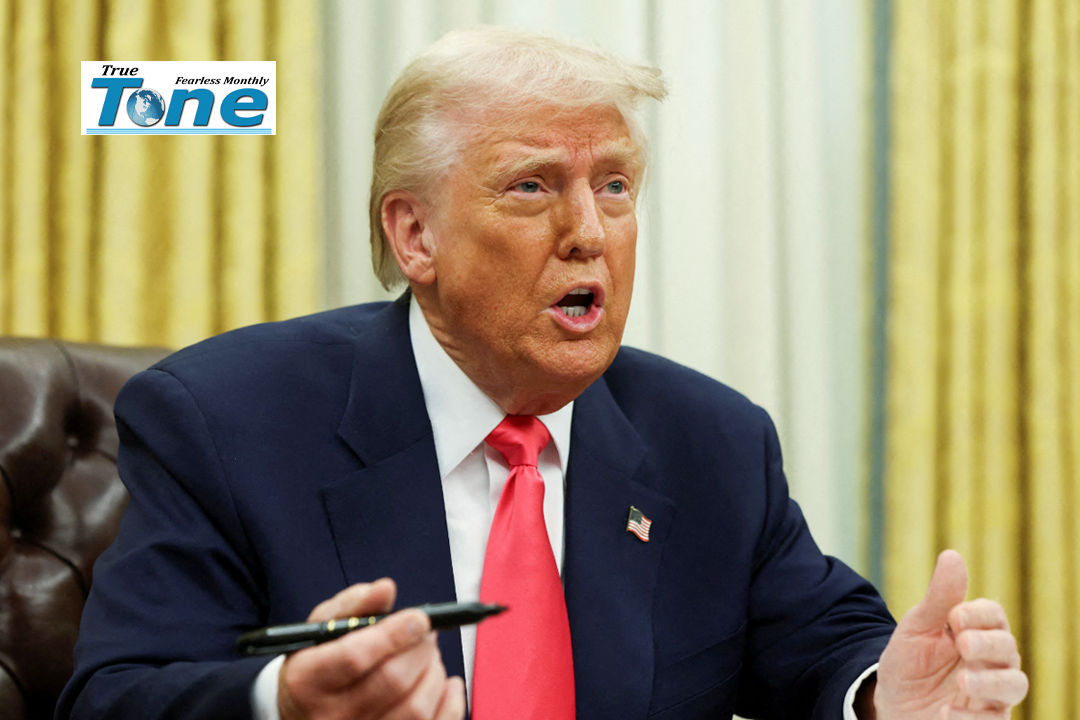
On the US side, President Donald Trump said last week that he had decided against authorizing additional military strikes on Iranian targets in order to preserve space for diplomatic engagement. His remarks suggested that Washington remains interested in pursuing negotiations despite recent confrontations.
However, several US media reports have claimed that the Pentagon has substantially depleted portions of its missile inventory following months of sustained operations in the region. According to those reports, Admiral Brad Cooper, the senior US military commander overseeing Middle East operations, informed the White House that many previously identified military targets around the Strait of Hormuz had already been struck.
Trump administration has rejected those reports. Both the president and Defense Secretary Pete Hegseth have publicly denied that US forces are facing significant ammunition shortages, insisting that the American military retains the capability to respond to any further escalation.
The dispute over Hormuz comes against the backdrop of growing instability across the Middle East. Israel has intensified air operations in Lebanon, accusing Hezbollah of violating a ceasefire agreement reached with the Lebanese government earlier this year. The renewed strikes have raised fears that hostilities along Israel’s northern border could expand into a broader regional conflict.
Meanwhile, Yemen’s Houthi movement has launched fresh offensives against forces aligned with the internationally recognized government while also targeting Saudi-linked shipping in the Red Sea. The attacks have further complicated maritime security across key regional waterways, increasing risks for commercial shipping companies and global supply chains.
Security analysts have warned that simultaneous tensions in the Strait of Hormuz and the Red Sea could place additional pressure on international energy markets. Together, the two maritime routes are among the most vital trade corridors for global oil exports, and disruptions in either area have historically led to higher shipping insurance costs and increased market volatility.
Despite heightened rhetoric, diplomatic channels between Iran, Oman and several regional governments remain active. Oman has traditionally served as an intermediary between Tehran and Washington, and observers say Muscat could again play a central role if negotiations resume.
Public opinion in the United States also appears cautious regarding further military involvement. A recent Reuters/Ipsos survey found that half of American respondents believe additional US military strikes against Iran would increase instability in the Middle East, while only a small minority said they expected such action to improve the regional security situation.
As military activity continues across multiple fronts and negotiations remain stalled, the future of shipping through the Strait of Hormuz-and broader stability across the Gulf-remains uncertain, leaving governments, energy markets and international shipping companies closely watching developments in the days ahead.












Md.Shahidur Rahman Tepa
Publisher & Editor
Mrs. Naznin Sultana - Associate Editor
Dr. Sariful Hoque Priom - Assistant Editor
Head Office: Tepa Complex 169/A, SS Nazrul Islam Sarani, Purana Paltan, Dhaka-1000, News and Commercial Office: 48 Bijoy Nagar (3rd Floor) Dhaka-1000,
E-mail: monthlytruetone@gmail.com
Leave a Reply