

Iranian, Egyptian officials to meet IAEA chief in Cairo amid heightened nuclear tensions
- Update Time : Monday, June 2, 2025
- 95 Time View

News Desk
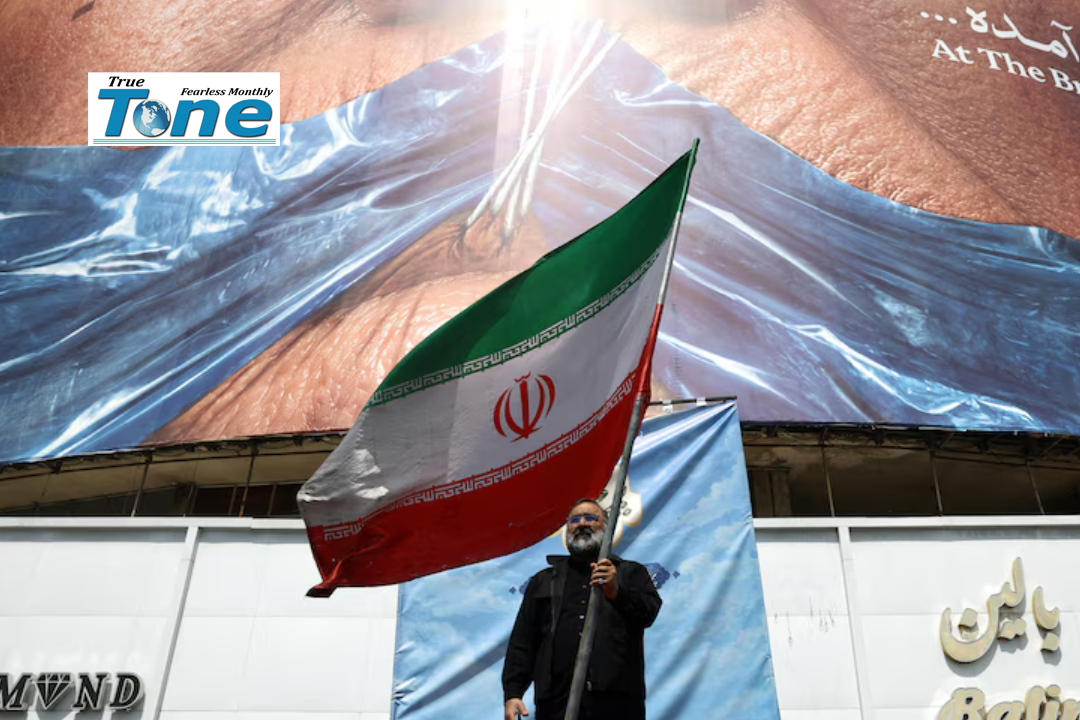
Amid growing international concerns over Iran’s accelerating nuclear activities, a high-level diplomatic meeting is taking place in Cairo on June 2, bringing together Iranian Foreign Minister and chief nuclear negotiator Abbas Araghchi, Egyptian Foreign Minister Badr Abdelatty, and International Atomic Energy Agency (IAEA) Director General Rafael Grossi.
According to a statement released by Egypt’s Foreign Ministry, the tripartite meeting aims to de-escalate nuclear tensions and promote renewed dialogue surrounding Iran’s nuclear program. The discussions come just one day after a leaked report from the UN nuclear watchdog revealed that Iran has significantly ramped up its production of highly enriched uranium, reaching levels as high as 60 percent – alarmingly close to the 90 percent threshold required for nuclear weapons.
The IAEA’s confidential quarterly report, which is due for formal review during the agency’s board of governors meeting in Vienna starting June 9, has already sparked diplomatic ripples across Western capitals. The document reportedly indicates that Iran’s stockpile of enriched uranium has not only grown substantially but has also moved closer to weaponization levels – reigniting fears of a nuclear crisis in the Middle East.
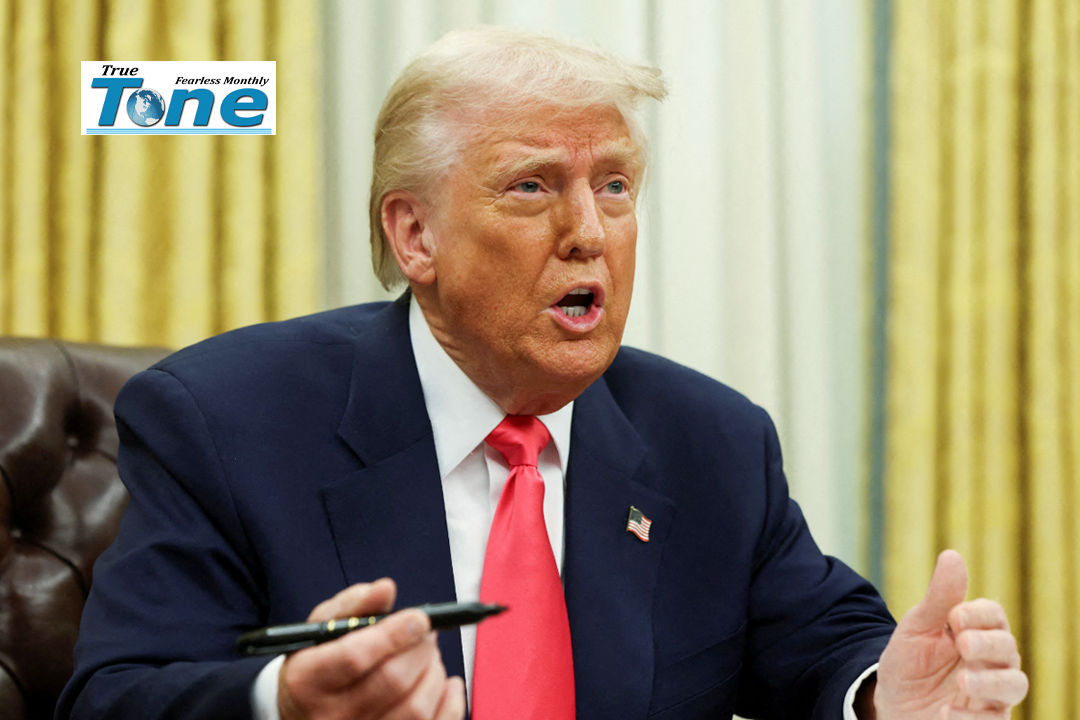
While Tehran has consistently maintained that its nuclear program is purely for peaceful civilian purposes, Western nations continue to accuse Iran of covert ambitions to develop nuclear arms. The Joint Comprehensive Plan of Action (JCPOA), the landmark 2015 nuclear accord that sought to curb Iran’s nuclear capabilities in exchange for sanctions relief, has been on life support since the United States unilaterally withdrew from the agreement in 2018 under President Donald Trump.
Iran’s top diplomat, Abbas Araghchi, arrived in Cairo amid renewed efforts to revive negotiations. He is also expected to hold bilateral talks with Egyptian President Abdel Fattah al-Sisi during his visit, according to Iranian state-affiliated Tasnim News Agency. This diplomatic outreach is seen as part of Iran’s broader strategy to gain regional and international support as the standoff with Western powers continues.
On May 31, Araghchi confirmed that Tehran had received “elements” of a fresh proposal from the United States, reportedly presented via Omani mediators. “We have received certain points and conditions, which we are currently examining in consultation with our leadership,” Araghchi said during a press briefing. The details of the proposal remain undisclosed, but Iranian sources suggest it involves a phased easing of sanctions in exchange for verifiable limits on uranium enrichment and centrifuge activity.
In a phone call with IAEA chief Rafael Grossi on June 1, Araghchi voiced Tehran’s dissatisfaction with the timing and tone of the UN agency’s leaked report. According to Iranian officials, the report has been weaponized by some Western states to justify a push for new European Union sanctions against Iran. Araghchi warned Grossi against allowing the IAEA to be used for “political objectives” and urged him to uphold the agency’s neutrality and technical mandate.
This week’s meeting in Cairo is significant not only for its diplomatic symbolism but also for its potential to recalibrate the regional discourse on Iran’s nuclear issue. Egypt, a traditional US ally that maintains cautious ties with Iran, is positioning itself as a regional mediator. The participation of IAEA chief Grossi further underscores the urgency of the situation and the international community’s desire to reestablish lines of communication with Tehran.
Regional analysts suggest that Cairo’s involvement could serve as a diplomatic bridge at a time when Gulf nations remain wary of Iran’s nuclear trajectory and its role in regional conflicts. “This meeting in Egypt is an opportunity for Iran to show a willingness to engage constructively,” said Amr Sadek, a Cairo-based international affairs analyst. “At the same time, it puts pressure on the IAEA to balance its technical findings with geopolitical sensitivity.”
The IAEA has yet to issue a public comment on the meeting but is expected to release a summary of its recent inspections and findings during the board of governors session next week. That meeting could prove pivotal, as Western members of the board are reportedly weighing a censure motion or a referral to the UN Security Council, a move that could deepen the standoff.
The outcome of today’s talks in Cairo remains uncertain, but with the IAEA’s board preparing for a crucial review and US-Iran indirect negotiations in flux, the stakes could not be higher. Diplomats involved in the Cairo meeting have signaled a willingness to keep channels open, but warned that the window for diplomacy is narrowing fast.
Whether the trilateral dialogue can lead to meaningful progress – or merely serve as another fleeting diplomatic gesture – may soon become clear as global powers weigh their next steps in dealing with Iran’s increasingly defiant nuclear posture.






Md.Shahidur Rahman Tepa
Publisher & Editor
Mrs. Naznin Sultana - Associate Editor
Dr. Sariful Hoque Priom - Assistant Editor
Head Office: Tepa Complex 169/A, SS Nazrul Islam Sarani, Purana Paltan, Dhaka-1000, News and Commercial Office: 48 Bijoy Nagar (3rd Floor) Dhaka-1000,
E-mail: monthlytruetone@gmail.com
Leave a Reply